PARIS, France – Group of Seven leaders have agreed to implement a coordinated release of 100 million barrels of oil and petroleum products through the International Energy Agency over four months, with a substantial volume of diesel scheduled for release during the first 20 days.
The agreement was announced Oct. 2 after a virtual G7 meeting focused on worsening energy-market pressures and supply disruptions.
The G7 statement says the release will take into account commitments that members have already fulfilled under an earlier March 2026 agreement. The 100-million-barrel figure therefore does not necessarily represent 100 million barrels of entirely new commitments.

G7 puts diesel at the front of the release
The G7 asked the IEA to coordinate implementation of the release and monitor its effect on energy security and market stability.
The release is scheduled to begin immediately and continue for four months. The G7 said a substantial amount of diesel will be released during the first 20 days by G7 members and their partners.
The leaders also said they would meet through the IEA in the coming days to consider whether additional diesel releases are necessary.
The agreement does not provide a final public breakdown of how much of the 100 million barrels will consist of crude oil, diesel or other petroleum products.
Diesel markets are under particular pressure
The IEA said the Oct. 2 G7 meeting focused particularly on severe pressure in global diesel markets.




IEA Executive Director Fatih Birol said refined-product flows remained severely constrained even as crude-oil exports from the Middle East had recovered significantly.
The IEA also said Ukrainian attacks on Russian refineries had exacerbated the pressure on diesel supplies.
The U.S. Energy Information Administration has separately reported that global distillate markets have tightened as international refinery production has fallen. It expects U.S. distillate inventories to remain below the five-year average through the end of 2026 and most of 2027.
U.S. diesel prices remain elevated
U.S. government energy data show the continuing pressure on fuel markets.
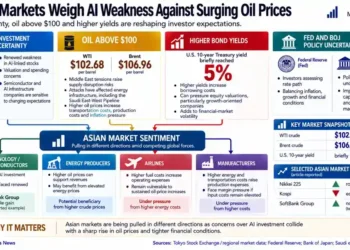
The Energy Information Administration reported a U.S. average retail diesel price of $6.37 per gallon on Oct. 1, based on AAA data incorporated into its daily price report. The same report put Brent crude at $114.82 per barrel and West Texas Intermediate at $99.77 per barrel at the Oct. 1 close.
Those prices provide a snapshot of the market immediately before the G7 agreement, rather than evidence of what the coordinated release will ultimately do to retail fuel prices.
The effect on consumers will depend on how quickly additional supplies enter individual markets, the condition of global shipping routes and refinery capacity, and whether broader supply disruptions continue.
Strait of Hormuz remains central to the energy crisis
The G7 linked the energy-market situation to disruptions affecting international trade and energy security.
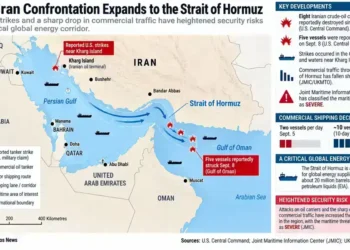
In its statement, the group called for the immediate and full restoration of navigational rights and principles in the Strait of Hormuz and said it would increase efforts to restore the free flow of commerce through the waterway.
The IEA said the effects of the Strait of Hormuz crisis remained acute, particularly in diesel markets.
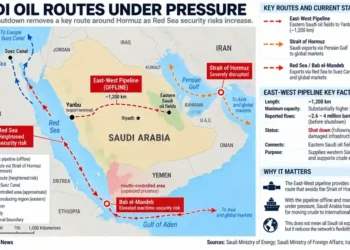
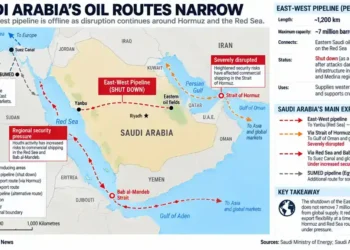
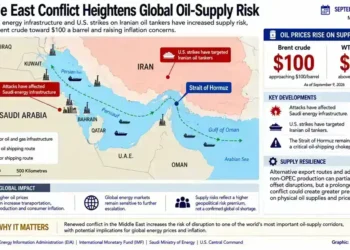
The EIA has also reported that constrained flows through the Strait of Hormuz and the Bab el-Mandeb have contributed to oil-production shut-ins and higher crude prices.
G7 members reject energy export restrictions
The G7 agreement includes a separate commitment concerning trade between member countries.
The leaders reaffirmed that they would refrain from imposing export restrictions on energy and energy products between G7 countries.
They also called on energy producers more broadly to avoid export bans that could further intensify market tensions.
The commitment comes as governments face pressure to maintain fuel availability while protecting their own domestic supplies.
Refineries will also be part of the response
The emergency stock release is only one element of the G7’s energy measures.
The leaders agreed to coordinate refinery maintenance schedules to avoid simultaneous shutdowns that could further reduce available capacity.
They also said the G7 would encourage countries with significant refining capacity to increase production of refined petroleum products, particularly diesel.
That distinction is important because releasing crude oil does not immediately translate into additional diesel at the pump. Crude must be transported, processed and distributed before it becomes a refined fuel available to consumers.
Earlier IEA release remains part of the background
The new G7 action follows the much larger emergency stock-release effort announced by IEA members in March.
The IEA said on Oct. 2 that approximately 325 million barrels of the 400 million barrels pledged in March had already been released, representing more than 80% of that earlier commitment.
The IEA’s March data showed that participating countries’ contributions included both crude oil and refined petroleum products, with the precise composition varying by country.
The G7’s Oct. 2 statement specifically says the new 100-million-barrel implementation takes previously fulfilled March commitments into account.
The price effect remains uncertain
The coordinated release is intended to increase near-term supply and reduce pressure on energy markets, but the G7 has not specified a particular reduction in crude or retail fuel prices.
The EIA’s latest outlook before the G7 announcement said global oil inventories had fallen substantially during 2026 and that continued restrictions on Middle Eastern flows were keeping prices elevated.
The agency also said low distillate inventories were contributing to higher diesel prices and that refinery maintenance and seasonal agricultural demand could add further pressure during the fall and winter.
The emergency release therefore addresses one part of the supply problem while broader questions about shipping, refinery output and global production remain.
IEA will report on the response within 20 days
The G7 has asked the IEA to monitor both implementation and the market impact of the measures.
The group called for a follow-up report within 20 days containing recommendations for future responses, including possible replenishment of emergency stocks.
The G7 also said it would remain prepared to adjust its measures as energy-market conditions develop.
For now, the agreement establishes a coordinated four-month release of 100 million barrels through the IEA, with substantial diesel volumes to be released during the first 20 days. The precise market impact will depend on how quickly those supplies become available and whether disruptions to crude and refined-product flows continue.
Reporting Credit: G7 leaders and the French G7 Presidency; International Energy Agency; U.S. Energy Information Administration; U.S. Department of Energy; official G7 energy-security statement.