WASHINGTON, United States – President Donald Trump has rejected an Iranian proposal that Tehran says could restore normal maritime traffic through the Strait of Hormuz within seven days, leaving a major dispute over the strategic waterway unresolved while both sides continue to signal that diplomacy remains possible.
Trump said Saturday that he had rejected the proposal after Iranian Foreign Minister Abbas Araghchi said Tehran had formally transmitted a seven-day plan through Qatar.
Iran’s proposal would require Washington to take a series of steps before the waterway is reopened. Araghchi said the United States would have to meet the conditions within four or five days, with the strait reopening on the sixth day and negotiations beginning on the seventh.

Trump said Iran was seeking an agreement to reopen the strait immediately and rejected the proposal.
The rejection did not end diplomatic contacts. On Sunday, Trump told Axios that he expected further talks with Iran during the coming week, while Iranian officials said Tehran remained committed to its conditions for reopening the waterway.
Iran’s seven-day proposal
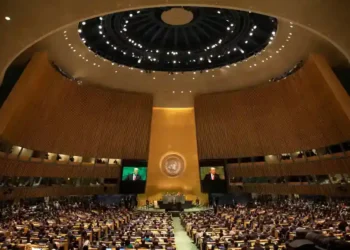
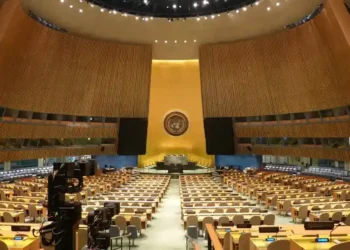
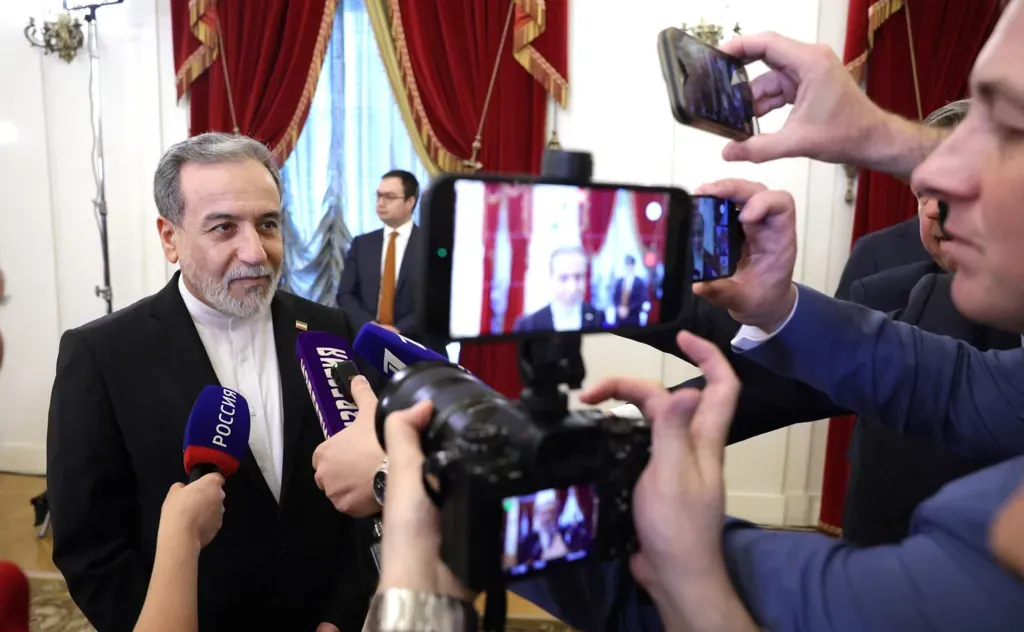
Araghchi laid out the proposal during a September 25 statement to reporters at the United Nations.
According to the Iranian foreign minister, Tehran had conveyed the plan to Washington through Qatar. If the United States accepted, the seven-day timetable would begin immediately.
Iran said Washington would need to take the required steps during the first several days. The Strait of Hormuz would then reopen to normal maritime traffic on the sixth day, followed by U.S.-Iran negotiations on the seventh.


The proposal was tied to the wider conflict rather than being a standalone shipping arrangement.
Iran has sought an end to the U.S. naval blockade, relief from restrictions affecting Iranian oil exports and the release of frozen Iranian assets. Iranian officials have also linked the arrangement to a ceasefire covering the broader regional conflict.
Iranian President Masoud Pezeshkian said Saturday that Tehran remained interested in a diplomatic solution but questioned whether the United States could be trusted after previous negotiations were followed by military action and sanctions.
Trump rejects the proposal
Trump rejected the plan publicly on September 26.
He characterized Iran’s proposal as an attempt to secure immediate reopening of the strait while Washington would make concessions first.
The White House has previously said that U.S. forces control the waterway and that American naval operations have enabled commercial vessels to transit under U.S. protection. In an August 28 statement, the administration said nearly 1,500 commercial vessels had moved through under U.S. protection and that U.S. forces had cleared Iranian mines from international shipping lanes. Those figures and the administration’s characterization of control are statements from the White House.
Iran disputes that account.
In his September 25 statement to the United Nations, Araghchi said Tehran remained committed to safe and secure navigation but argued that maritime security could not be restored through military action, threats or blockade. He said Iran considered the disruption of navigation to be a consequence of U.S. and Israeli military actions and maintained that Tehran had kept diplomacy open.
The dispute is also about who controls the waterway
The Strait of Hormuz has become a central point of disagreement in the war because it connects the Persian Gulf with the Gulf of Oman and serves as a major route for international energy shipments.
The United Nations has described the strait as critical to the global economy. UN officials said in June that ship transits had fallen by more than 90% since the crisis escalated in late February and that the waterway normally carries about a quarter of global seaborne oil trade, along with significant volumes of liquefied natural gas and other commodities.
Washington and Tehran give sharply different accounts of responsibility for the disruption.
The U.S. administration says its military operations are intended to protect commercial navigation and pressure Iran.
Iran says U.S. military action and the blockade have created the insecurity affecting shipping.
Those competing positions remain unresolved.
Earlier agreement complicates the latest proposal
The latest diplomatic effort follows an earlier memorandum between Washington and Tehran.
According to the White House, the two countries signed a memorandum of understanding on June 17 that included an Iranian commitment to make arrangements for the safe passage of commercial vessels from the Persian Gulf toward the seas of Oman. The administration says Iran subsequently attacked neutral-flagged commercial vessels and that the United States responded with military strikes beginning July 7.
Iran disputes Washington’s interpretation of those events.
Araghchi said in his September 25 UN statement that Iran had begun technical discussions with Oman after the June memorandum and that maritime traffic had recovered to about 60% of its pre-war level before subsequent U.S. military action and other measures disrupted implementation. That is Iran’s account of the sequence.
The competing interpretations of the earlier agreement now form part of the obstacle to a new arrangement.
Further talks remain possible
Despite rejecting the seven-day proposal, Trump said Sunday that he expected additional talks with Iran this week.
Qatar and other regional mediators have been working to keep indirect communication open. According to sources cited in current reporting, U.S. and Iranian representatives could resume indirect discussions as early as Monday, although the two governments remain divided over the conditions for an agreement.
Iranian Foreign Minister Araghchi said Sunday that Tehran continued to stand by its conditions for reopening the strait and that diplomacy remained the route toward resolving the dispute.
That leaves the immediate situation unchanged: the Iranian seven-day proposal has been rejected by Trump, but diplomatic contacts have not stopped.
The Strait of Hormuz remains at the center of the dispute because reopening normal commercial passage would require agreement not only on navigation but also on the military and economic conditions surrounding the wider conflict.
For now, Washington and Tehran remain apart on those conditions, while mediators continue efforts to bring the two sides back into negotiations.
Reporting Credit: United Nations — Iranian Foreign Minister Abbas Araghchi’s September 25 statement on the Strait of Hormuz and the seven-day proposal; White House — U.S. administration statements on the Strait, naval blockade and June 17 memorandum; Government of Iran/Foreign Ministry — conditions for reopening the Strait and resuming negotiations; Government of Qatar — mediation efforts between Washington and Tehran.