Journos News - Breaking News, World News, Top Stories, Todays Headlines and Flash Reports
Friday, September 11, 2026
  • Login
  • Home
  • World
    • Africa
    • Americas
    • Asia
    • Europe
    • Middle East
    • Oceania
  • Politics
  • Business
  • Technology
  • Health
  • Science
  • Sports
  • Entertainment
  • Culture
No Result
View All Result
  • Home
  • World
    • Africa
    • Americas
    • Asia
    • Europe
    • Middle East
    • Oceania
  • Politics
  • Business
  • Technology
  • Health
  • Science
  • Sports
  • Entertainment
  • Culture
No Result
View All Result
Journos News - Breaking News, World News, Top Stories, Todays Headlines and Flash Reports
No Result
View All Result
Home Business

US Diesel Prices Break $6 Record, Raising Costs Across Supply Chains

Record fuel costs are squeezing trucking, agriculture and deliveries as global oil disruptions tighten supplies and push inflation higher.

The Daily Desk by The Daily Desk
September 11, 2026
in Business, Economy
0
Diesel fuel pump at a gas station displaying fueling equipment and pricing information.

Diesel fuel pump at a gas station, photographed by Tony Webster in April 2025.

WASHINGTON, United States — U.S. diesel prices have crossed $6 a gallon for the first time, adding a new cost shock to trucking, agriculture and other industries that depend heavily on diesel fuel.

The national average rose above the $6 mark on Thursday, according to GasBuddy, while AAA reported an average of about $6.06 a gallon on Friday. The price is more than 60% above the level recorded before the U.S.-Israeli war with Iran began in late February.

The increase comes as disruptions to oil production, refining and shipping tighten supplies across global energy markets. Brent crude and U.S. West Texas Intermediate both moved above $100 a barrel this week, increasing pressure on the cost of refined fuels.

Diesel costs spread through the economy

Diesel is central to the movement of goods across the United States. Trucks, trains, ships and heavy equipment rely on the fuel, while farmers use diesel-powered machinery to plant and harvest crops.

That makes diesel prices particularly important for supply chains even for consumers who do not use diesel vehicles themselves.

Higher fuel costs can initially be absorbed by trucking companies, freight operators and retailers. But those costs can eventually reach consumers through higher transportation charges, fuel surcharges and prices for goods.

Food is particularly exposed because diesel powers farm equipment and many of the trucks and other vehicles used to move agricultural products.

The impact can be especially significant for products that require frequent transportation or refrigeration.


■ Related News

U.S. president speaks on the phone in the Oval Office while receiving an update about devastating California wildfires in November 2018.

Trump Pledges $5,000 Payments to Americans if Republicans Win Midterms

September 10, 2026
Plumes of smoke rise from the World Trade Center towers in Lower Manhattan after the September 11 attacks on September 11, 2001.

9/11 at 25: How September 11 Changed America and the World

September 10, 2026
Huawei Canada office building photographed in July 2018, showing the company’s Canadian corporate presence.

Huawei Faces U.S. Racketeering Trial Over Alleged Technology Transfers

September 10, 2026
Aryna Sabalenka competes at the 2025 Miami Open at Hard Rock Stadium in Miami Gardens, Florida.

Sabalenka Survives Noskova to Reach Sixth Straight US Open Semifinal

September 9, 2026

Global supply disruptions drive the surge

The latest price increase is closely tied to disruptions in global oil and refined-fuel markets.

The conflict involving the United States and Iran has severely disrupted shipping through the Strait of Hormuz, a critical route for global energy supplies. Vessel traffic through the waterway has fallen sharply during the conflict, increasing concerns about the availability of crude oil and refined products.

The supply problem has also been compounded by disruptions to Russian refining capacity following repeated Ukrainian attacks. Russia has restricted some fuel exports, reducing the amount of diesel available to international markets.

China’s restrictions on fuel exports have added another constraint, further tightening supplies of refined petroleum products.

The result has been a particularly sharp increase in diesel prices compared with crude oil.

U.S. inventories remain tight

U.S. diesel inventories are also providing little protection against further supply disruptions.

Government data cited in recent market analysis put U.S. diesel inventories at about 106.3 million barrels, roughly 13% below the five-year average. Refiners have been operating at high utilization rates, but rebuilding inventories could become more difficult as seasonal refinery maintenance begins.

Refining margins have also surged. The diesel crack spread, a measure of the difference between refined diesel prices and crude oil costs, reached a record level of about $112 a barrel on Thursday, according to market data cited by Reuters.

The combination of low inventories, restricted international supply and strong demand is leaving the market particularly sensitive to additional disruptions.

Freight operators face higher operating costs

For trucking companies and other freight operators, fuel is one of the largest variable operating expenses.

The rapid increase creates pressure on companies whose existing contracts do not immediately allow them to pass higher fuel costs to customers.

As contracts are renegotiated, fuel surcharges can become more widespread. That can increase the cost of transporting manufactured goods, food, building materials and other products.

The pressure is not limited to road transportation. Diesel is also used by agricultural machinery, industrial equipment, rail networks and maritime operators.

That gives the fuel-price increase a broader economic effect than a typical increase at the gasoline pump.

Inflation risks are increasing

The diesel surge is occurring alongside a renewed rise in crude oil prices, creating a new inflation risk for the U.S. economy.

Brent crude reached more than $107 a barrel earlier this week, while WTI also moved above $100. Prices later declined on Friday as reports emerged of possible diplomatic efforts concerning shipping through the Strait of Hormuz, but both benchmarks remained on course for substantial weekly gains.

Economists are also watching whether higher energy costs begin to affect monetary policy.

The increase in diesel and other fuel prices could raise transportation and production costs before those effects appear fully in consumer inflation data. A U.S. economist cited by MarketWatch said the surge in diesel prices could strengthen the case for tighter Federal Reserve policy at its upcoming meeting.

Outlook depends on supply disruptions

The duration of the diesel price surge will depend heavily on the war in the Middle East, shipping through the Strait of Hormuz and the ability of refiners to restore inventories.

Additional disruptions could push diesel prices higher, while a sustained improvement in shipping conditions and crude-oil supplies could ease pressure on the market.

For now, the record above $6 a gallon marks a significant new cost challenge for U.S. businesses and consumers.

The immediate effect will be felt most directly by companies that move goods or operate heavy equipment. If elevated prices persist, however, the impact could spread through transportation contracts, food distribution and retail prices, adding another source of inflationary pressure across the economy.

Reporting Credit: U.S. Energy Information Administration — petroleum inventories and energy-market data; AAA — U.S. national retail diesel and gasoline price data; GasBuddy — national retail fuel-price tracking; International Energy Agency — global oil and refined-product supply analysis.


Tags: #DieselPrices#Energy#Freight#GlobalEconomy#Inflation#OilMarkets#SupplyChains#UnitedStates
The Daily Desk

The Daily Desk

The Daily Desk is the editorial byline of Journos News, representing reporting produced by the newsroom across world news, politics, business, technology, disasters, and other areas of public interest. Stories published under this byline are independently researched, verified, and edited in accordance with Journos News’ editorial standards, with an emphasis on accuracy, transparent sourcing, attribution, context, and editorial independence.

Related Posts

FDA Building 21 stands behind the Food and Drug Administration sign at the agency’s main campus entrance in Silver Spring, Maryland.

FDA Fills Four Senior Posts as Trump Administration Reshapes Agency

September 9, 2026
View over the small community of Siorapaluk in Greenland, photographed on April 24, 2025.

Trump Map Triggers Diplomatic Pushback From Denmark and Iceland

September 9, 2026
President Donald Trump and Canadian Prime Minister Mark Carney meet during a bilateral engagement on October 7, 2025.

U.S. Bans Canadian Dairy, Alcohol and Motorcycles as Trade War Escalates

September 9, 2026
Amazon logo displayed on a building in Sydney, Australia, photographed on April 25, 2023.

Amazon Faces Lawsuit Alleging Systematic Discrimination Against Pregnant Employees

September 9, 2026
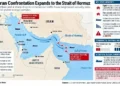
Map showing U.S.-Iran confrontation, reported tanker strikes, shipping routes and Strait of Hormuz security risks.

U.S. Strikes on Iranian Tankers Push Middle East Conflict Into New Maritime Phase

September 9, 2026
Friedrich Merz speaks at a CDU campaign event in Erfurt, Germany, during the 2024 election campaign.

Trump Tells Putin He Wants Swift End to Ukraine War as Washington Seeks Reset With Moscow

September 9, 2026
U.S. and Chinese flags frame a glowing AI symbol, illustrating competition between the two countries over artificial intelligence technology.

U.S. Accuses Chinese AI Firms of Industrial-Scale Theft of Artificial Intelligence Technology

September 9, 2026
Oil refinery near Regla in Havana, Cuba, viewed from the surrounding area with industrial processing structures visible.

Cuba-U.S. Talks Stall as Oil Restrictions Deepen Island’s Energy Crisis

September 8, 2026
Load More
JournosNews logo

Journos News delivers globally neutral, fact-based journalism that meets international media standards — clear, credible, and made for a connected world.

  • Categories
  • World News
  • Politics
  • Business & Markets
  • Technology
  • Health
  • Science
  • Sports
  • Arts & Culture
  • Resources
  • Editorial Standards
  • Submit a Story
  • Advertise with Us
  • Syndication & Partnerships
  • Site Map
  • Press & Media Kit
  • Editorial Team
  • Careers

Join thousands of readers receiving the latest updates, tips, and exclusive insights straight to their inbox. Never miss an important story again.

  • About Us
  • Editorial & Trust Center
  • Contact Us
  • Privacy Policy
  • Terms of Use & Copyright Notice

© JournosNews.com All rights reserved.

Welcome Back!

Login to your account below

Forgotten Password?

Retrieve your password

Please enter your username or email address to reset your password.

Log In
JournosNews

Independent Journalism.
Verified Facts.

You're about to read a professionally edited article from JournosNews.com.

Every article is produced in accordance with our editorial standards, emphasizing factual accuracy, transparent attribution, fairness, editorial independence, and meaningful context.

Editorial Standards
No Result
View All Result
  • Home
  • World
    • Africa
    • Americas
    • Asia
    • Europe
    • Middle East
    • Oceania
  • Politics
  • Business
  • Technology
  • Health
  • Science
  • Sports
  • Entertainment
  • Culture

© JournosNews.com All rights reserved.

This website uses cookies. By continuing to use this website you are giving consent to cookies being used. Visit our Privacy and Cookie Policy.