WASHINGTON — U.S. economic activity increased modestly in recent weeks, while employment rose slightly and prices continued to increase moderately, according to the Federal Reserve’s latest Beige Book, released Wednesday.
The report presents a mixed picture of the U.S. economy as businesses continue to expand in some sectors while higher energy costs, tariffs and other input expenses create renewed inflation pressure.
Economic activity expands modestly
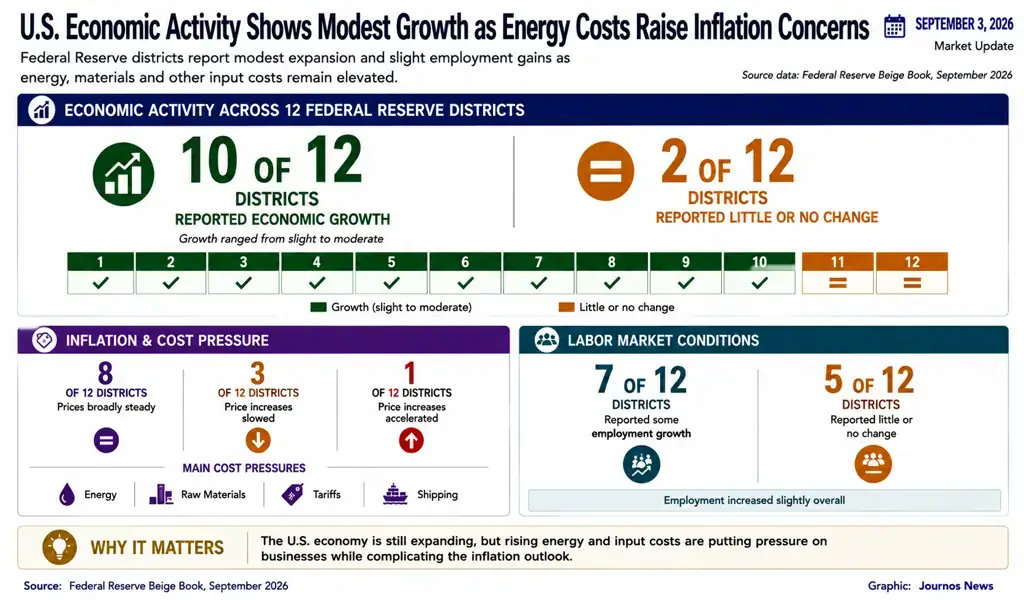
Ten of the Federal Reserve’s 12 districts reported economic growth ranging from slight to moderate, while two districts reported little or no change.

Consumer spending increased slightly overall, although businesses reported increasingly price-sensitive customers. Auto sales were generally subdued, with high fuel prices, financing costs and weaker consumer confidence weighing on demand.
The regional picture remained uneven. The Cleveland district reported modest growth, supported in part by strong demand linked to data centers and defense spending, while the Dallas district reported moderate expansion in manufacturing, banking and energy.
Energy costs pressure businesses
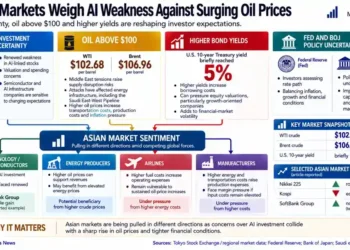
Energy prices have become a significant source of concern for companies.
The New York Federal Reserve district reported that input prices continued to rise strongly, with elevated energy costs reducing profit margins. Manufacturers also reported higher raw-material costs, while tariffs added to expenses for some businesses.
The Chicago district similarly reported increases in raw materials, energy and shipping costs, with transportation companies continuing to add fuel surcharges.
■ Related News



Higher energy costs can spread through the economy because transportation, manufacturing, construction and other industries depend heavily on fuel and electricity.
Inflation remains a concern
Prices continued to rise at a moderate pace across much of the country.
The latest Beige Book found that price increases slowed in three districts, increased in one and remained broadly steady in eight. Businesses reported continued pressure from energy, raw materials, tariffs and other operating costs.
Some companies have been unable to pass their higher costs fully to consumers because customers are becoming more resistant to price increases.
That could squeeze corporate margins even as inflation remains elevated.
Labor market remains relatively stable
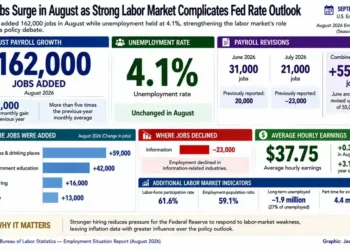
Employment increased slightly overall, although conditions varied considerably between regions and industries.
Seven districts reported some employment growth, while five reported little change. Wage pressures remained concentrated in particular industries rather than becoming widespread across the economy.
Construction and manufacturing continued to experience stronger wage pressures in some areas, while businesses in other sectors reported more cautious hiring.
The labor market’s relative stability is helping support consumer spending, but weaker hiring in some industries could become a concern if higher costs begin to reduce business investment.
Data centers support investment
Artificial intelligence and data-center construction have become increasingly important sources of economic activity in several regions.
The Cleveland Federal Reserve reported robust manufacturing demand associated with data centers and defense spending. Other districts also reported that data-center projects were supporting construction, manufacturing and demand for related services.
The investment provides an important source of growth at a time when other parts of construction and consumer demand remain uneven.
Federal Reserve faces difficult choice
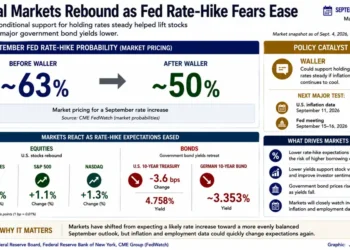
The latest economic assessment arrives ahead of the Federal Reserve’s September policy meeting.
The combination of modest growth, relatively stable employment and persistent price pressures creates a difficult environment for monetary policymakers.
Higher energy prices could keep inflation elevated even if economic growth remains subdued. At the same time, raising interest rates to contain inflation could further increase borrowing costs and weaken already-sensitive sectors such as housing and consumer spending.
The Beige Book therefore provides evidence of an economy that has not stalled but is facing increasing cost pressures.
Outlook remains uncertain
Businesses generally maintained positive or stable expectations for future activity, but uncertainty remained elevated.
The Federal Reserve’s regional reports pointed to concerns involving energy prices, tariffs, international conflict, consumer price sensitivity and changing business conditions.
For companies, the central challenge is balancing continued demand with rising costs.
For consumers, persistent fuel and other price increases could gradually reduce purchasing power.
For the Federal Reserve, the latest information underscores the difficulty of balancing economic growth with its effort to bring inflation back toward its target.
Reporting Credit: Federal Reserve — September 2026 Beige Book and regional Federal Reserve district reports on economic activity, employment, prices, consumer spending and business conditions.