JAKARTA, Indonesia – Indonesia is investigating reports that eight of its citizens were recruited into Russia’s armed forces, after Ukrainian intelligence said it had obtained documents linking the Indonesians to Russian military recruitment.
Indonesia’s Foreign Ministry is verifying the identities, citizenship status, recruitment process and circumstances of the alleged involvement through diplomatic missions and coordination with other government agencies. Officials have stressed that the allegations have not yet been established as fact.
The case puts Jakarta in the position of determining whether the Indonesians knowingly joined a foreign military or were deceived into doing so through offers of civilian employment.

Ukraine identifies eight Indonesian nationals
The Foreign Intelligence Service of Ukraine, known as FISU, said on Aug. 27 that it had obtained documents concerning at least eight Indonesian citizens it said had been recruited into Russia’s military.
FISU published documents it said were connected to the recruitment and identified the individuals as Yuda Putra Pratama, Haryanto Dwi Kencana, Erwanda, Ngangun Hudri Fadli, Muhammad Syaripudin, M Hadi Maulana, Wahyu Oktavian Iskandar and Helmi Nuraha Hakim.
The Ukrainian agency said the alleged recruitment followed a broader pattern in which foreign nationals are offered high salaries, civilian or non-combat positions, expedited Russian citizenship and other benefits before being directed toward military service.
FISU said similar recruitment methods had previously been used with citizens of Nepal, Cuba, Kenya and India. Those claims come from Ukrainian intelligence and have not been independently established in every case.
Jakarta is checking how recruitment happened
Indonesia has not accepted the Ukrainian allegations as established fact.


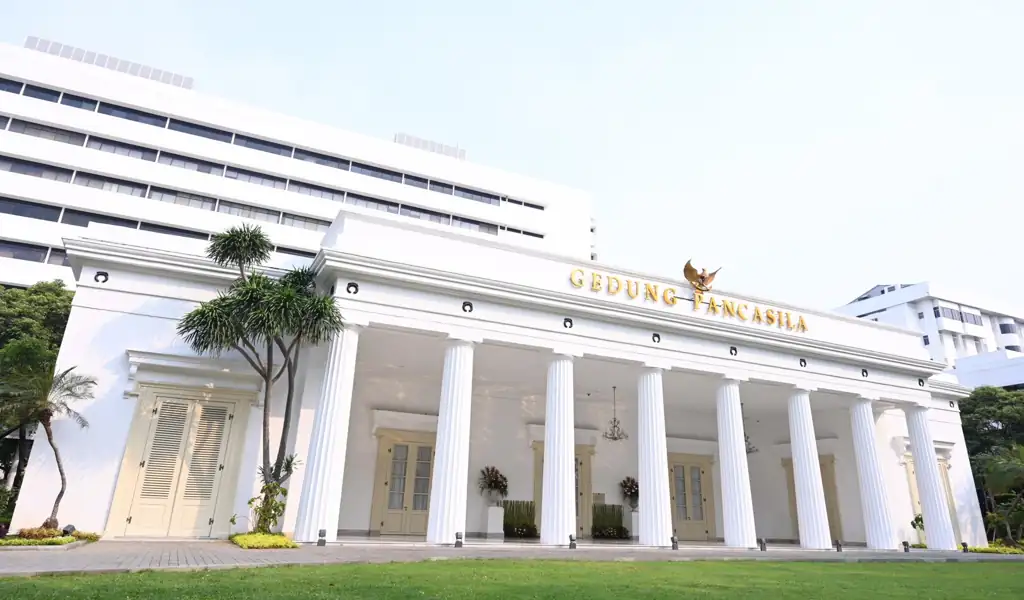
Foreign Ministry spokesperson Yvonne Mewengkang said the government was cross-checking information about the individuals, including their identities, citizenship, recruitment process and the nature of their alleged involvement. Indonesian diplomatic missions are participating in the verification.
The government is also examining whether the Indonesians were recruited through fraudulent job advertisements, deception or exploitation.
That distinction is important to the legal and diplomatic response. Indonesian officials have said that people who were deceived into entering military service could be treated as victims requiring government protection rather than simply as citizens who voluntarily joined a foreign armed force.
Legal consequences depend on verified facts
Indonesia also faces a separate legal question if any of the allegations are confirmed.
Coordinating Minister for Legal, Human Rights, Immigration and Corrections Yusril Ihza Mahendra said Indonesian law contains provisions concerning citizens who join foreign military services without presidential permission.
Under Article 23 of Indonesia’s 2006 Citizenship Law, joining a foreign military without prior presidential permission can be grounds for loss of Indonesian citizenship. Yusril stressed, however, that citizenship cannot be revoked merely on the basis of reports or allegations. Authorities must first establish the relevant facts and follow the required administrative process.
The government therefore has two separate issues to resolve: whether the individuals actually entered Russia’s military and, if so, whether they did so knowingly.
Recruitment allegations raise exploitation concerns
The circumstances described by Ukrainian intelligence have raised concerns beyond military recruitment.
FISU said the alleged offers included civilian employment, high pay and non-combat duties. Indonesia’s Foreign Ministry has specifically said it will examine whether job offers did not correspond with the actual purpose for which people were recruited.
That investigation could determine whether the cases involve fraudulent recruitment or exploitation rather than straightforward voluntary enlistment.
Indonesian officials have not yet publicly established how the eight individuals were recruited, whether they knowingly signed military contracts or where they are currently located.
The case does not represent Indonesian policy
Jakarta has also drawn a distinction between the conduct of individual citizens and Indonesia’s foreign policy.
Mewengkang said that if the involvement of Indonesian citizens in a foreign armed force is ultimately verified, it would constitute individual action and would not represent the position or policy of the Indonesian government. Indonesia maintains a neutral position on the Russia-Ukraine war and continues to advocate a peaceful resolution based on international law and the U.N. Charter.
That position is particularly relevant as Indonesia maintains diplomatic and economic relations with both Russia and Western countries while avoiding formal alignment with either side of the conflict.
Verification remains the central issue
The Indonesian government has emphasized that the allegations must be investigated before any legal or diplomatic conclusions are reached.
Yusril said authorities need to establish who the individuals are, how they were recruited, what they were promised and whether they actually entered Russia’s armed forces. He warned that citizenship decisions cannot be based solely on media reports or information supplied by one side.
The Ukrainian intelligence report provides the starting point for the investigation, but Indonesia’s own verification process will determine how the cases are ultimately treated.
For now, the central question is not simply whether Indonesians have appeared in Russia’s military system, but how they got there and whether they went voluntarily.
Indonesia faces diplomatic and legal questions
The investigation could have implications beyond the eight individuals.
If Indonesian authorities determine that citizens were deliberately recruited through deceptive civilian job offers, Jakarta could face a broader challenge involving the protection of its nationals from overseas exploitation.
If instead the government concludes that individuals knowingly entered Russia’s military without authorization, Indonesian authorities would have to determine the applicable legal consequences.
The investigation also illustrates how Russia’s effort to recruit foreign personnel for its war in Ukraine can create diplomatic complications far beyond Europe.
For Indonesia, the immediate priority remains establishing the facts before taking action.
Reporting Credit: Indonesia Ministry of Foreign Affairs; Indonesia Coordinating Ministry for Legal, Human Rights, Immigration and Corrections; Foreign Intelligence Service of Ukraine (FISU).