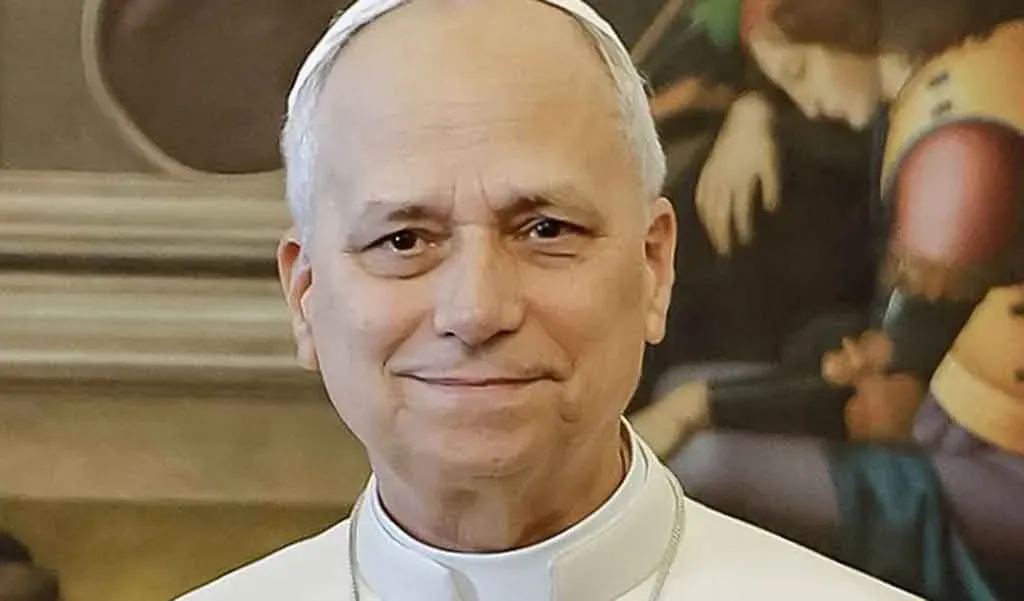
VATICAN CITY, Vatican City – Pope Leo XIV has been diagnosed with lung adenocarcinoma after surgeons removed the lower lobe of his right lung during an operation at Rome’s Gemelli Hospital on October 13, the Vatican confirmed.
The Holy See Press Office said an examination of tissue taken during surgery confirmed the cancer diagnosis, which doctors had suspected from preoperative tests.
The operation lasted about 90 minutes and finished successfully without complications, according to the medical bulletin issued by Dr. Luigi Carbone and Professor Stefano Margaritora. The pope woke up normally after the procedure and returned to his hospital room following a brief period of observation.

The diagnosis is a significant development in the 71-year-old pontiff’s health. On October 11, Pope Leo had announced that doctors discovered a small, localized lung nodule and recommended surgery.
However, the latest bulletin does not establish the cancer’s stage, whether it has spread beyond the removed lung tissue or whether the pope will need additional treatment.
Vatican Confirms Cancer Diagnosis After Surgery
The Vatican’s medical bulletin said surgeons removed the lower lobe of the pope’s right lung using a video-assisted technique.
Doctors examined the tissue during the operation and confirmed lung adenocarcinoma, a form of non-small-cell lung cancer. The diagnosis had been suspected before surgery.
The pope spent approximately three hours in the operating theatre, although the operation itself lasted about 90 minutes. The medical team reported no complications.
■ Related News
Professor Margaritora led the surgical team, assisted by Professor Elisa Meacci, Dr. Maria Teresa Congedo and Dr. Leonardo Petracca Ciavarella. Professor Massimo Antonelli led the anaesthesia team.
The successful procedure and normal awakening describe the immediate surgical outcome. They do not, by themselves, establish that doctors have eliminated all cancer or that no further treatment will be necessary.
What Is Lung Adenocarcinoma?
Lung adenocarcinoma develops in glandular cells in the lung and is a common type of lung cancer. It falls within the broader category of non-small-cell lung cancers.
Doctors use several findings to determine how far the disease has progressed. These can include the tumour’s size, examination of nearby lymph nodes and tests for cancer elsewhere in the body.
The Vatican has not publicly disclosed enough information to establish the pope’s cancer stage. It has also not confirmed whether further tests have found any spread beyond the tissue removed during surgery.
The medical bulletin therefore supports reporting a confirmed cancer diagnosis, but not a specific prognosis.
What the Operation Means for His Recovery
The surgeons removed the lower lobe of the right lung, a procedure known as a lobectomy. The operation used video-assisted surgical techniques, which allow surgeons to work through small incisions with the help of a camera and specialized instruments.
The Vatican described the operation as successful and reported no complications. Leo regained consciousness normally and returned to his room on the hospital’s 10th floor.
Before surgery, the Holy See Press Office said the pope would likely remain at Gemelli Hospital for about a week. The immediate postoperative bulletin did not announce a change to that expected stay.
The next steps depend on his recovery and the results of further medical assessment. The available official information does not confirm whether doctors have recommended chemotherapy, immunotherapy, radiation or another treatment.
Nor does the successful removal of the affected lung lobe establish that the cancer has been completely eradicated. Doctors would need to assess the available clinical findings before reaching conclusions about the disease’s extent and treatment needs.
Public Audiences Cancelled Through October 20
The Vatican previously announced that it had cancelled the pope’s public audiences through October 20 because of his hospital stay.
His absence has also required changes to some scheduled Church activities. Cardinal Luis Antonio Tagle was assigned to preside over a Mass that Leo had been expected to celebrate on October 14.
These arrangements concern the pope’s immediate schedule. The Vatican has not announced a change to the governance of the Catholic Church as a result of his hospitalization.
Leo was elected pope in May 2025. His recovery now determines when he can resume public appearances, but the cancer diagnosis alone does not establish how long he will remain away from his duties.
November Visit to South America Remains Uncertain
Leo’s official calendar lists an apostolic journey to Uruguay, Argentina and Peru from November 6 to 17.
The trip was scheduled before the lung operation. The Vatican had not announced a definitive cancellation or confirmed that the pope would travel as planned in the official material reviewed for this report.
His recovery, further medical assessments and any treatment recommendations will be important factors in determining whether the visit can proceed.
Until the Vatican issues an update, the trip should be described as scheduled but subject to the pope’s recovery, rather than confirmed or cancelled.
Key Medical Questions Remain Unanswered
The Vatican has confirmed the diagnosis and provided details about the surgery, but important questions remain open.
The public has not received a confirmed cancer stage, a detailed account of whether the disease has spread, or a treatment plan beyond the operation. The medical team has also not issued a prognosis in the material reviewed.
These unanswered questions should not be filled with assumptions based on the type of cancer or the fact that surgeons removed part of the lung.
For now, the confirmed facts are that doctors diagnosed lung adenocarcinoma, removed the lower lobe of the pope’s right lung and reported a successful operation without complications. Leo regained consciousness normally and returned to his hospital room.
The next official medical updates should clarify his recovery and whether further assessment or treatment is necessary. Until then, the extent of the cancer and the pope’s longer-term outlook remain unknown.
Reporting Credit: Holy See Press Office; Vatican News.