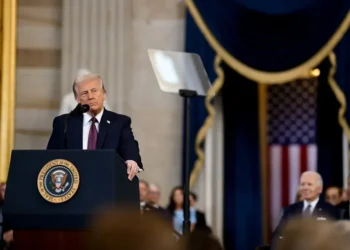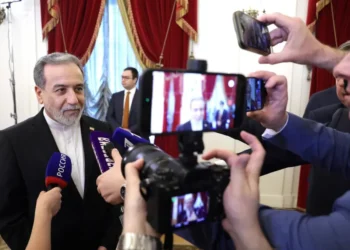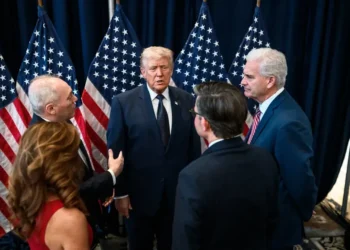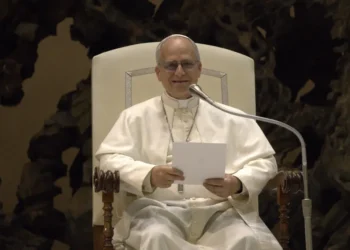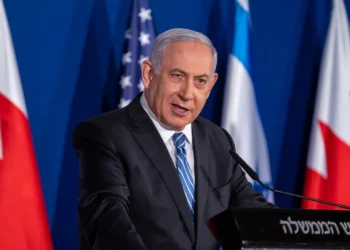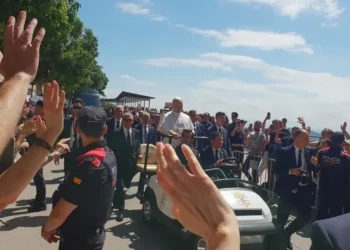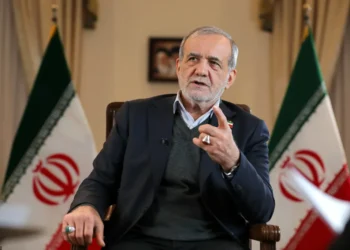
A rare public dispute between U.S. President Donald Trump and Pope Leo XIV intensified this week after Trump said he would not apologize for remarks criticizing the pontiff’s opposition to the Iran war, further widening an already sensitive divide between political and spiritual authority on a global crisis. The exchange has drawn international attention because it intersects with the broader diplomatic fallout from the escalating U.S.-Iran confrontation and the Vatican’s repeated calls for de-escalation.
The dominant international angle is diplomatic tension, with the confrontation reflecting not merely a personal feud but a visible clash between U.S. wartime messaging and one of the world’s most influential moral voices. For global readers, the significance lies in how religious diplomacy, conflict mediation, and Western alliance politics are increasingly intersecting as the Middle East crisis deepens.
Diplomatic Pressure Builds Around Wartime Messaging
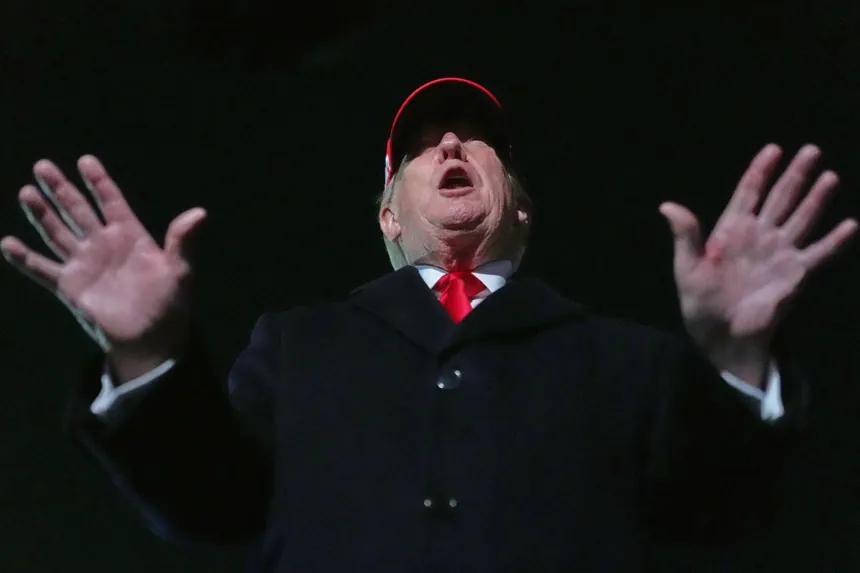
Speaking at the White House, Trump defended his refusal to apologize by arguing that the pope had “gone public” first with criticism of U.S. policy toward Iran. He reiterated that preventing Tehran from acquiring nuclear capability remained the overriding objective, presenting his comments as a direct response to Vatican objections rather than an unprovoked attack. Associated Press reporting said Trump also attempted to explain a widely criticized deleted social media meme portraying him in Christ-like imagery, claiming he believed it depicted him as a doctor instead.

The Vatican’s response has been notably measured but firm. Reuters reported that Pope Leo, speaking while traveling abroad, said he had “no fear” of the Trump administration and would continue advocating for peace, reinforcing the Holy See’s long-standing diplomatic posture against escalation. The exchange has elevated the dispute beyond rhetoric, placing renewed focus on the Vatican’s role as a soft-power actor in conflict mediation.
Regional Stability Tested by Expanding Political Fallout
The disagreement comes at a moment when the Iran conflict is already straining international alliances and testing Western unity. By publicly challenging the pope’s criticism, Washington risks adding a values-based fracture to an already complex coalition environment, especially among European governments where Vatican moral influence remains politically significant.
An additional geopolitical implication is the symbolic impact on transatlantic diplomacy. Public divisions between the White House and the papacy may complicate broader efforts to maintain consensus among NATO-aligned states and humanitarian partners pressing for restraint in the region.
International Response Intensifies Across Religious and Political Circles
Religious leaders and Catholic institutions in multiple countries have rallied behind Pope Leo, emphasizing that his comments are rooted in doctrine and humanitarian concern rather than partisan politics. This has transformed the dispute into a wider conversation about the role of faith leaders in wartime diplomacy and whether moral intervention can shape state behavior during active conflict.
Analytically, the episode also underscores how political communication and symbolic imagery now carry immediate diplomatic consequences. The controversy surrounding Trump’s meme post amplified criticism beyond policy circles, drawing in religious constituencies across Europe, Latin America, and Africa—regions where Vatican messaging can influence both public sentiment and political elites.

Strategic Stakes Rise for Global Mediation Efforts
The longer-term international risk is that personal antagonism between political and religious leadership could weaken informal mediation channels just as the Iran crisis requires broader multilateral engagement. The Vatican has historically served as a discreet intermediary in geopolitical disputes, and visible hostility from Washington could narrow those avenues at a critical moment.
For foreign-policy observers, the next phase to watch is whether this rhetoric remains symbolic or begins to affect behind-the-scenes diplomacy involving ceasefire discussions, sanctions coordination, or humanitarian corridors. With the Middle East conflict already reshaping global energy and security calculations, even rhetorical fractures among major Western voices now carry outsized international consequences.