ABUJA, Nigeria – A federal court in Nigeria has sentenced four men to death for their roles in the 2022 attack on a Catholic church in the southwestern town of Owo that killed at least 50 worshippers, including children. The ruling represents one of the country’s most significant terrorism-related convictions linked to a mass-casualty attack on civilians in recent years.
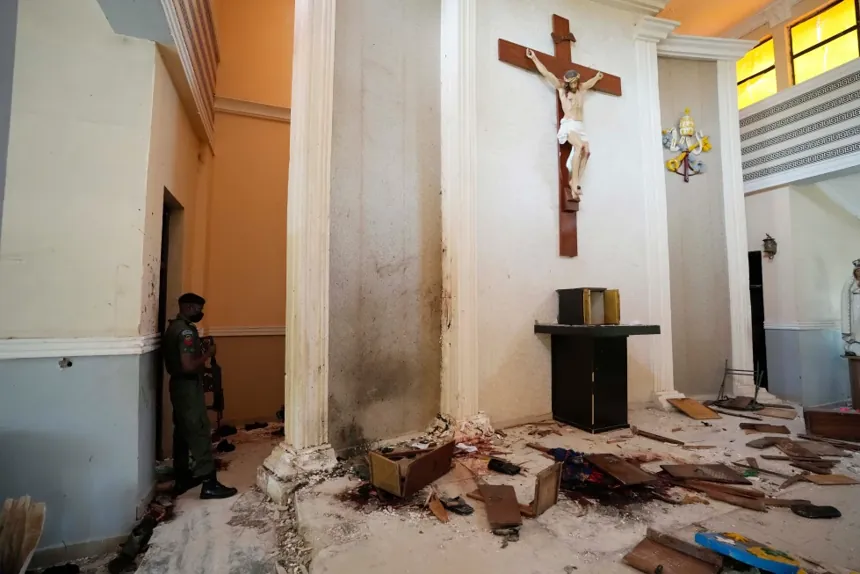
The defendants were convicted on terrorism charges stemming from the June 5, 2022 assault on St. Francis Catholic Church in Ondo State. The attack occurred as worshippers were concluding Mass, leaving dozens dead and many others wounded in an incident that shocked Nigeria and drew international condemnation.
Court Delivers Terrorism Verdict
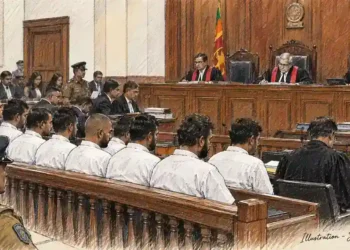
According to court proceedings, the four men were found guilty on multiple charges related to terrorism activities. Justice Emeka Nwite handed down death sentences by hanging and imposed additional penalties, including life imprisonment for terrorism-related offenses and prison terms linked to conspiracy charges. A fifth defendant was acquitted after the court determined that evidence presented against him was insufficient.

Prosecutors told the court that the convicted men operated from a militant cell in Kogi State and were connected to the planning and execution of the church attack. Court filings cited by prosecutors alleged links between the defendants and the East African militant group al-Shabab. However, al-Shabab has not claimed responsibility for the Owo attack, and its operational presence in Nigeria has not been publicly confirmed.
Questions Over Responsibility Persist
The attack remains one of the deadliest assaults on a Christian place of worship in Nigeria in recent years. Following the massacre, Nigerian authorities initially suggested that the extremist group Islamic State West Africa Province (ISWAP) may have been responsible. Neither ISWAP nor Boko Haram publicly claimed responsibility for the attack.
The assault targeted a region of southwestern Nigeria that had historically experienced lower levels of extremist violence than the country’s northeast, where insurgent groups have operated for more than a decade. The attack raised concerns about the geographic spread of militant activity beyond traditional conflict zones.
Broader Security Challenges
The convictions come as Nigerian authorities continue efforts to address a complex security environment that includes insurgencies, armed criminal networks and extremist groups operating across different regions of the country. Government officials have intensified terrorism prosecutions in recent years as part of broader counterterrorism efforts.
In April, Nigerian courts convicted more than 300 terrorism suspects during a large-scale trial process, reflecting ongoing attempts by authorities to strengthen accountability for terrorism-related offenses.



Security concerns remain particularly acute in northern Nigeria, where groups including Boko Haram, Islamic State West Africa Province and other armed organizations continue to carry out attacks, kidnappings and violence against civilians.
Significance of the Ruling
The Owo church attack became a defining moment in Nigeria’s security debate because it struck a community far from the country’s main insurgency zones and targeted worshippers during a religious service. The court’s verdict is likely to be viewed as a key test of Nigeria’s ability to investigate and prosecute major terrorism cases through the judicial system.
Authorities have not publicly indicated whether additional suspects remain under investigation in connection with the attack. Further details regarding any appeals process or future proceedings were not immediately available.