Last updated: Wednesday, August 12, 2026 | 14:57 UTC
Major Developments We’re Following
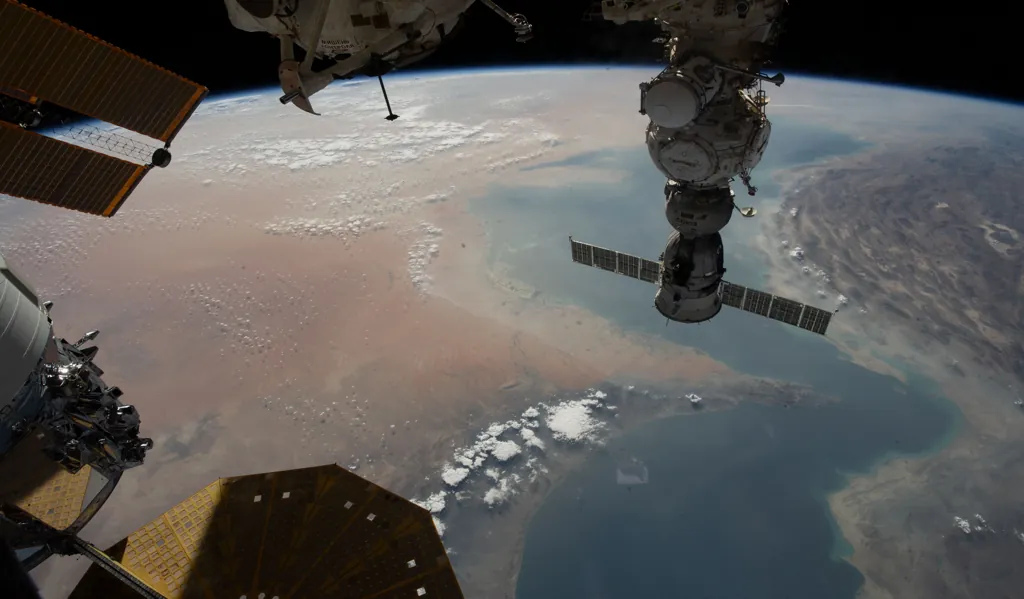
- Iran says there has been no progress toward reviving its interim agreement with the United States, leaving the Strait of Hormuz closed.
- Four crew members and two Yemeni rescuers were killed in a Houthi attack on the cargo vessel Tihamah in the Bab el-Mandeb, according to Reuters reporting citing Yemeni authorities.
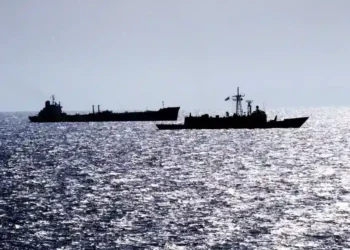
- The U.S. military said it disabled a Panama-flagged cargo ship in the Gulf of Oman after accusing it of violating a naval blockade on Iranian ports.
- Shipping through the Strait of Hormuz fell to a one-week low as the conflict continued to disrupt regional maritime traffic.
- Israel and Lebanon are considering Britain, Italy, Switzerland and Indonesia for a potential mechanism to verify Hezbollah’s disarmament.
- Saudi Arabia is increasingly restricting or rerouting Red Sea oil shipments as Houthi attacks and threats disrupt maritime traffic.
What We Know
- Iran and the United States remain divided over implementation of an interim agreement reached in June. Tehran says Washington failed to meet its commitments, while Washington has accused Iran of failing to reopen the Strait of Hormuz.
- The Strait of Hormuz remains severely disrupted. Kpler data cited by Reuters recorded only eight vessels passing through the waterway on Tuesday, compared with a 10-day average of about 12.
- The Tihamah was attacked in the Bab el-Mandeb on Tuesday. Four crew members were killed, and two Yemeni rescuers were also killed, according to Yemeni authorities cited by Reuters.
- The Houthis said the ship was carrying Saudi military equipment. That claim has not been independently established.
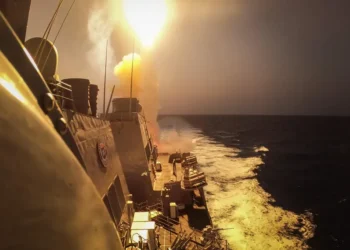
- The U.S. military said it fired two Hellfire missiles from an MH-60 helicopter to disable the steering gear of the Panama-flagged Vela Nova in the Gulf of Oman.
- Saudi oil shipments through the Red Sea have increasingly become difficult to track because tankers are turning off automatic identification systems amid Houthi threats.
- Syria received its first shipments at a berth in Tartous previously used by Russian military forces, following an agreement changing the use of facilities at the port.
What We Don’t Know
- Whether Washington and Tehran can revive the June interim agreement remains unresolved.
- When commercial traffic through the Strait of Hormuz will return to normal is unknown.
- The full circumstances surrounding the Tihamah attack remain under investigation.
- The extent of damage caused by the U.S. action against the Vela Nova has not been independently established.
- The final composition, mandate and authority of any international mechanism to verify Hezbollah’s disarmament have not been agreed.
- The full volume of Saudi oil moving through Red Sea routes is difficult to establish because of reduced vessel tracking.
LIVE UPDATES
14:57 UTC — U.S.-Iran Talks Remain Stalled
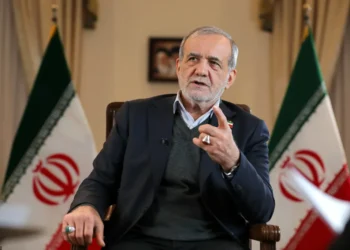
Iran said there had been no progress toward reviving the interim agreement with the United States and establishing a timetable for implementing its commitments.
A senior Iranian source told Reuters that Tehran considered the agreement suspended after Washington allegedly failed to meet its obligations. Washington has not immediately commented on the latest Iranian statement.

14:05 UTC — Four Countries Considered for Hezbollah Disarmament Monitoring
Israel and Lebanon have agreed on Britain, Italy, Switzerland and Indonesia as potential contributors to a mechanism that could verify Hezbollah’s disarmament, people familiar with the discussions told Reuters.
The proposed mechanism could involve foreign personnel helping oversee inspections in southern Lebanon. The mandate, composition and authority of any mission remain under negotiation.
13:20 UTC — Hormuz Shipping Falls to One-Week Low
Shipping traffic through the Strait of Hormuz fell to its lowest level in a week on Tuesday.
Kpler data cited by Reuters recorded eight vessels passing through the waterway, compared with a 10-day average of about 12. Before the conflict began, daily traffic was roughly 130 to 140 vessels.
12:15 UTC — Saudi Red Sea Oil Shipments Increasingly Difficult to Track
Saudi oil shipments through the Red Sea have increasingly disappeared from vessel-tracking systems as tanker operators seek to reduce the risk of Houthi attacks.



Reuters reported that most oil loadings from Yanbu since July 23 have not been visible through automatic identification systems. Saudi Arabia has also been redirecting some crude flows toward the Mediterranean.
11:10 UTC — U.S. Action Against Cargo Ship Adds to Maritime Tensions
The U.S. military said it disabled the steering gear of the Panama-flagged Vela Nova in the Gulf of Oman after the vessel ignored repeated warnings over an alleged violation of the U.S. naval blockade on Iranian ports.
Maritime sources told Reuters the vessel was hit off Pakistan while entering the Gulf of Oman.
10:00 UTC — Deadly Houthi Attack Raises Red Sea Shipping Risks
Four crew members were killed when the Egyptian-owned cargo ship Tihamah was attacked in the Bab el-Mandeb Strait on Tuesday, according to Yemeni authorities cited by Reuters.
Two Yemeni rescuers were also killed while responding to the incident. The attack represents the first reported fatal Houthi attack on shipping since the Iran war began on February 28.
08:45 UTC — Iran Says Hormuz Will Remain Closed Under Current Conditions
Iranian officials said the Strait of Hormuz would remain closed unless the United States accepts Tehran’s conditions for ending the conflict.
Those conditions include the release of frozen Iranian assets and an end to conflicts involving Iran and its regional opponents, according to Reuters.
07:30 UTC — Oil Markets Remain Sensitive to Regional Shipping Disruptions
Brent crude futures rose as markets reacted to the latest shipping attacks and uncertainty over U.S.-Iran negotiations.
Reuters reported Brent at $89.26 a barrel on Wednesday, with the benchmark heading toward a sixth consecutive day of gains.
06:20 UTC — Gulf Shipping Remains Below Normal Levels
Commercial shipping through the Strait of Hormuz remained substantially below pre-conflict levels as vessels continued to avoid the waterway.
Data cited by Reuters showed a significant reduction in Hormuz traffic while some vessels continued using alternative routes around the region.
05:15 UTC — Syria Begins Commercial Use of Former Russian Pier
Syria received its first shipments of wheat and cement at a berth in Tartous previously used by Russian military forces.
Two vessels arrived from Turkish ports after the berth was transferred for civilian use under a new Syrian-Russian arrangement concerning the future of Russian facilities in Syria.
04:10 UTC — Red Sea Attack Adds to Wider Maritime Disruption
The deadly attack on the Tihamah occurred as commercial shipping faced increased risks across the Red Sea and Gulf of Oman.
The Houthis said the vessel was carrying Saudi military equipment, but that claim remains unverified.
02:57 UTC — 12-Hour Coverage Window Opens
The latest coverage period opened with the Middle East conflict centered on three interconnected developments: stalled U.S.-Iran diplomacy, continued disruption of the Strait of Hormuz and new attacks on commercial shipping.
The latest developments also include negotiations over Hezbollah’s disarmament in Lebanon and changing arrangements at the former Russian military facilities in Syria.
Background
The wider regional conflict has affected Iran, Israel, Lebanon, Yemen and Gulf states, with maritime security becoming a major component of the crisis.
The Strait of Hormuz handled about one-fifth of global oil and liquefied natural-gas flows before the conflict, while the Bab el-Mandeb provides a major connection between the Red Sea and the Gulf of Aden.
Current Situation
The latest 12-hour period has produced no confirmed diplomatic breakthrough between Iran and the United States.