BEIRUT – The fragile diplomatic space created by the tentative U.S.-Iran ceasefire narrowed sharply as Israel intensified air operations across Lebanon, opening a new phase of instability that now threatens to pull multiple regional actors into a deeper confrontation.
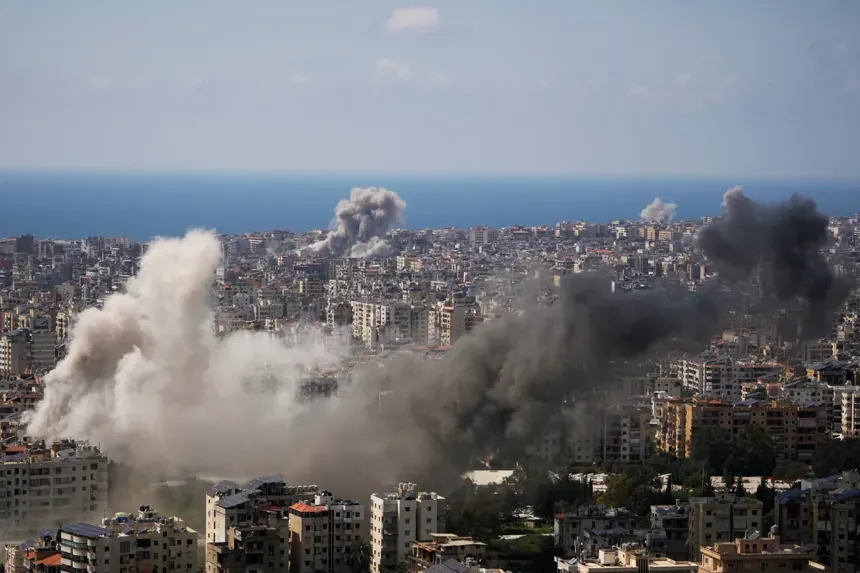
In strikes that Lebanese health authorities said killed more than 300 people and wounded over 1,150, Israel targeted Hezbollah-linked sites in Beirut and other urban centers, according to military statements. Yet the concentration of attacks in dense civilian districts immediately shifted the conflict’s implications beyond battlefield calculations and into the realm of regional political fallout. As first reported by The Associated Press, the bombardment triggered renewed Hezbollah missile fire into Israel and revived urgent questions over whether Lebanon was ever meaningfully covered by the broader ceasefire framework.
What had briefly appeared to be a contained de-escalation track between Washington and Tehran is now increasingly vulnerable to collapse under the weight of conflicting interpretations, cross-border retaliation, and widening humanitarian displacement.

Ceasefire Gaps Open a Wider Regional Fault Line
The immediate strategic consequence is not simply the resumption of hostilities, but the erosion of diplomatic clarity.
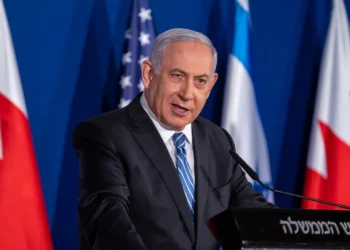
Iran has argued that Lebanon should fall under the logic of the U.S.-Iran ceasefire, while Israeli and U.S. officials have maintained that Hezbollah remains outside that arrangement. That disagreement has transformed a temporary truce elsewhere into a new source of instability on the Lebanon front, where every exchange now risks undermining wider regional diplomacy.
This ambiguity raises the stakes for mediators. If ceasefire language cannot contain proxy theaters, then every allied armed group becomes a pressure point capable of reopening conflict despite high-level agreements.
The result is a negotiation environment where military activity now shapes diplomatic interpretation, rather than the reverse.
Civilian Displacement Expands the Conflict’s Political Cost
The military escalation is already generating broader state-level consequences inside Lebanon.




According to Lebanese officials cited by AP, more than 1 million people have been displaced since the conflict reignited in early March, creating mounting pressure on state institutions already weakened by economic crisis and political fragmentation.
This level of displacement changes the war’s significance from a border confrontation into a national destabilization event. Shelter systems are under strain, infrastructure corridors face repeated disruption, and domestic political actors are increasingly forced to respond not only to Hezbollah’s military position but to the collapse of civilian normalcy.
For Israel, continued strikes may sustain tactical pressure on Hezbollah assets, but they also raise the probability of deeper international scrutiny as humanitarian fallout expands.
Southern Lebanon Risks Becoming a Permanent Security Vacuum
The conflict’s most consequential battlefield may now be the territory south of the Litani River.
Israeli ground operations and calls by some officials to maintain control deeper inside southern Lebanon are reviving long-standing fears that temporary operations could harden into a semi-permanent buffer posture. AP reporting notes growing concern among displaced Lebanese that entire border villages may remain inaccessible even after hostilities ease.
That possibility carries regional implications well beyond the immediate war.
A depopulated or militarized southern zone would alter deterrence calculations for Hezbollah, complicate Lebanese sovereignty claims, and create a persistent flashpoint for future escalation cycles. In practical terms, it would institutionalize instability rather than resolve it.
Diplomacy Faces Rising Pressure From Conflicting Endgames
The diplomatic track is now under pressure from incompatible war aims.
Lebanese officials are pushing for negotiations tied to an immediate halt in hostilities, while Israel has signaled that talks should focus on Hezbollah’s disarmament and possible normalization arrangements. Those positions remain structurally difficult to reconcile, particularly while active strikes continue.
The strategic dilemma is increasingly clear: neither side appears capable of securing a decisive military outcome, yet both continue to pursue battlefield leverage before entering meaningful talks.
That dynamic points toward a prolonged attritional phase in southern Lebanon, where limited territorial advances and periodic missile exchanges substitute for political settlement.
Regional Stability Now Depends on a Negotiated Containment Formula
The broader risk is no longer isolated to Israel and Hezbollah.
Every day the Lebanon theater remains active, it places additional strain on U.S.-Iran diplomacy, raises the likelihood of further proxy mobilization, and deepens pressure on Lebanon’s already fragile institutions. The conflict is evolving into a test of whether regional ceasefires can survive fragmented theaters and divergent allied agendas.
The most plausible exit remains a negotiated containment framework that addresses border security, Hezbollah’s military posture, and civilian return mechanisms simultaneously.
Absent that, Lebanon risks becoming the conflict zone where a wider Middle East de-escalation effort ultimately unravels.