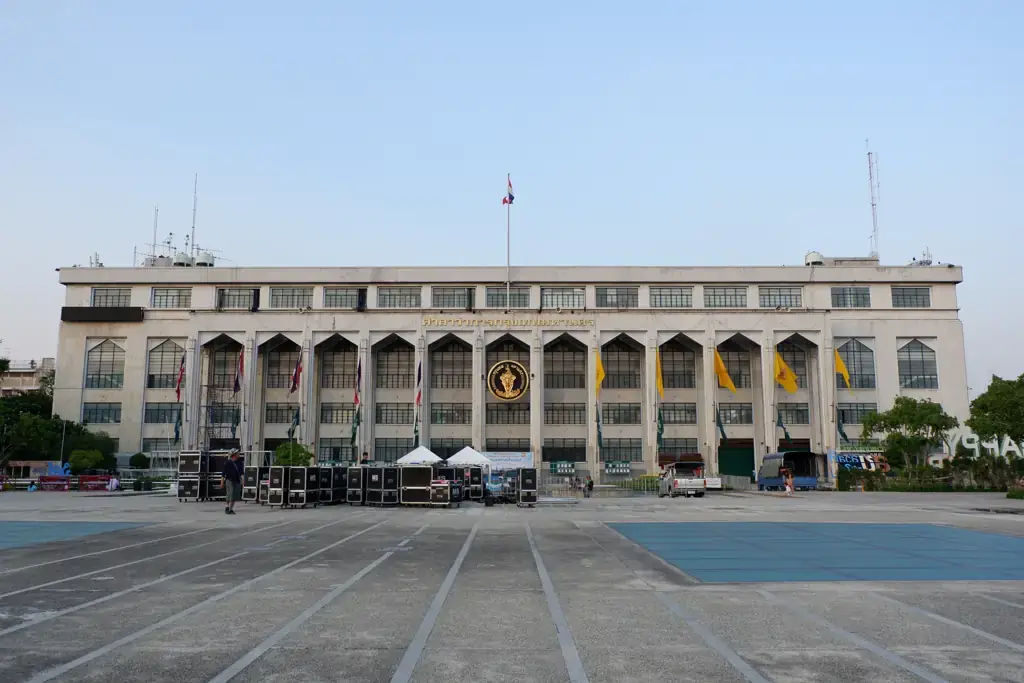
BANGKOK, Thailand – Flooding continued across parts of Bangkok on Monday even as rainfall eased, with authorities working to drain inundated roads and neighborhoods after days of heavy rain forced thousands of residents from their homes.
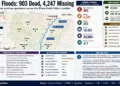
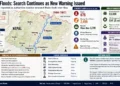
The Bangkok Metropolitan Administration said about 329,000 households, representing roughly 700,000 people, had been affected by the flooding. About 1,500 bedridden patients had been moved to city hospitals as authorities continued assisting vulnerable residents.
The immediate threat from rainfall has diminished, but floodwaters have been slower to recede, particularly in eastern and low-lying parts of the capital.

The Thai Meteorological Department said the low-pressure system that contributed to the recent heavy rain had moved over the Gulf of Martaban. Its Sept. 28 advisory warned that heavy to very heavy rain would continue in parts of western and central Thailand, although less rain was expected in other areas.
Water remains after the rain moves on
Bangkok Governor Chadchart Sittipunt said the city’s rainfall had eased after several days of intense downpours, but drainage remained difficult because water from surrounding areas was continuing to flow into the canal system.
Some areas received as much as 320 millimeters of rain during the worst of the event, filling canals and causing water to spill onto roads and residential areas. Chadchart said major roads could improve within several days, but some flooded communities could take about two weeks to dry completely.
The most persistent problems have been reported in eastern Bangkok, including Lat Krabang and Min Buri, as well as parts of Bang Kapi, Ramkhamhaeng, On Nut and nearby districts.
High water in major canals, runoff from surrounding areas and high tides have slowed the drainage of some communities. Authorities have used military trucks and boats to help move residents and patients in affected areas.

Thousands have already been evacuated
The scale of displacement became clear during the weekend as residents in flooded communities sought temporary shelter.
Nearly 4,900 people had been evacuated to shelters by Sunday, while about 52,000 Bangkok households were reported affected in an earlier disaster-management assessment. The broader Bangkok Metropolitan Administration assessment released Monday put the number of affected households substantially higher, reflecting continuing impacts across the capital.
Some residents remained in their homes despite rising water, attempting to protect belongings and return buildings to normal as conditions improved.
At one temporary shelter visited by the governor, about 1,000 people had been evacuated. Some residents were accommodated in classrooms after desks and chairs were moved aside.
The government has also urged residents not to panic-buy food and other necessities after some shops experienced shortages during the weekend.
Roads and public services remain disrupted
Flooding has continued to interfere with transportation across Bangkok.
The Department of Highways reported Monday that flooding had affected 228 highway locations across 26 provinces, with 56 locations impassable. Bangkok accounted for seven of those impassable locations.
Within the capital, water remained a problem on several roads and in low-lying communities, even where conditions had improved enough for some major routes to reopen.
The Bangkok Metropolitan Administration ordered more than 400 schools under its authority to close Monday as flooding and evacuation operations continued. Government employees whose work did not require physical attendance were also advised to work from home.
Thailand’s Cabinet separately approved special holidays for civil servants in Bangkok and three surrounding provinces on Sept. 28 and 29 because of the flooding.
Rain is easing, but flood risk has not disappeared
The changing weather has improved the immediate outlook for Bangkok, but authorities are not treating the emergency as over.
The Thai Meteorological Department’s Sept. 28 advisory said the low-pressure cell had moved away from the capital region, while a relatively strong southwest monsoon continued over parts of Thailand. Heavy and isolated very heavy rain remained possible in western and central areas, with the potential for flash floods and overflows in vulnerable locations.
The department’s seven-day forecast had already identified Sept. 24–28 as a period of widespread thunderstorms and heavy rainfall risk for Bangkok and central Thailand. It expected rainfall to become more scattered after Sept. 28, although isolated heavy rain could continue.
That distinction is important for Bangkok.
The rainfall can decline faster than floodwaters can be removed. Once canals and drainage systems are heavily loaded, water can remain trapped in low-lying residential areas even after the weather begins to improve.
The wider flood emergency extends beyond Bangkok
Bangkok is part of a broader flooding episode affecting Thailand.
The Department of Disaster Prevention and Mitigation reported Sunday that flooding was continuing in 25 provinces and all 50 Bangkok districts. Outside the capital, 174,803 households, or 545,022 people, had been affected in the agency’s Sept. 27 assessment. Eight deaths had been recorded in Sa Kaeo, Chanthaburi and Saraburi.
The disaster agency attributed the flooding to heavy rainfall combined with water flowing from northern parts of the country into the Central region.
Water levels were beginning to fall in some provinces, but authorities reported rising levels in others, including Ayutthaya and parts of the central basin.
The continuing movement of water through the central drainage system adds another complication for Bangkok, which sits in a low-lying area near the Gulf of Thailand.
Authorities shift from emergency evacuation to drainage
With rainfall easing, the focus in Bangkok has increasingly shifted from preventing new flooding to removing water already in communities.
The Bangkok Metropolitan Administration said its immediate priority was lowering water levels in major canals, including the Prawet Burirom and Lat Phrao systems, so water could then be drained from roads and residential areas.
Officials are also maintaining assistance for people who cannot easily leave flooded homes.
The BMA said requests involving vulnerable residents were being monitored and that emergency teams had already moved bedridden patients to hospitals. Relief operations are seeking ready-to-eat food, drinking water, high-clearance trucks, small boats and field kitchens.
The response will depend heavily on how quickly water levels fall in the canal network and whether additional heavy rainfall develops over the capital or upstream areas.
For now, the weather is moving in the right direction for recovery, but the physical effects of the rainfall are likely to remain visible for days.
Reporting Credit: Bangkok Metropolitan Administration — affected households, evacuation, drainage operations, vulnerable residents and city service measures; Thai Meteorological Department — rainfall, low-pressure system and weather warnings; Department of Disaster Prevention and Mitigation — nationwide flood impacts, affected households and reported deaths; Department of Highways — flooded and impassable highway locations; Government of Thailand — Sept. 28 flood situation and emergency administrative measures.