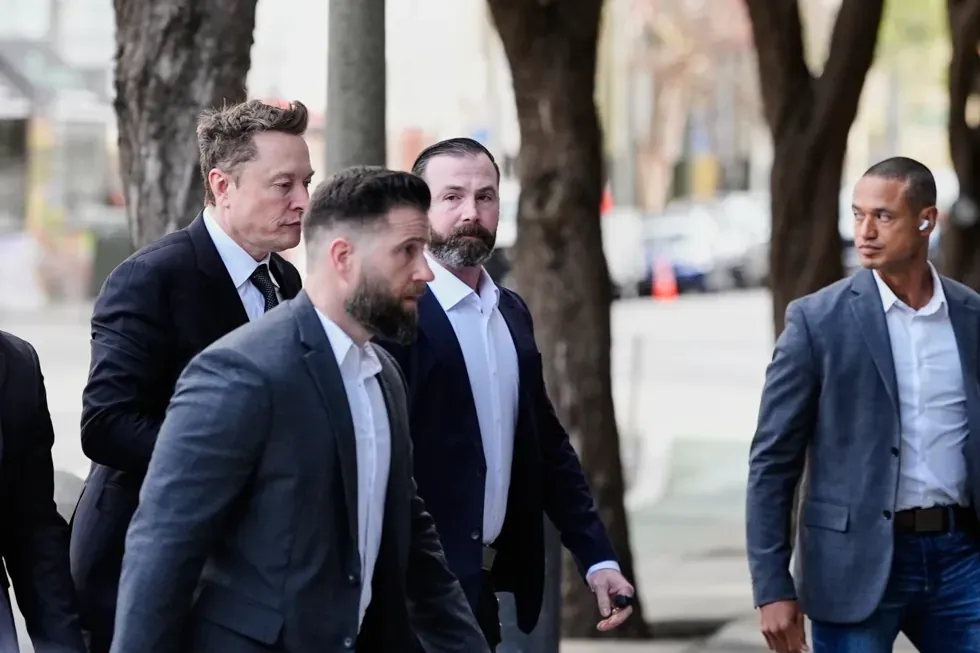
According to Associated Press, The court documents and statements presented during trial, a federal jury in San Francisco found Elon Musk liable for misleading investors during his 2022 acquisition of Twitter, concluding that specific public statements affected shareholder decisions. However, the jury did not find that Musk engaged in a broader scheme to defraud investors.
The decision stems from a class-action lawsuit filed by Twitter shareholders prior to Musk’s takeover of the company, now known as X. Jurors examined whether Musk’s public statements—including tweets posted in May 2022—constituted securities fraud under U.S. law.
Investigation Details
The nine-member jury delivered its verdict after nearly four days of deliberation, following a trial that began March 2 in the U.S. District Court for the Northern District of California.

At issue were Musk’s statements, including a May 13, 2022 tweet indicating the acquisition deal was “temporarily on hold” pending verification of spam and bot accounts. Plaintiffs argued these statements contributed to a decline in Twitter’s stock price, influencing investors who sold shares during that period.
Jurors found that two of Musk’s tweets misled investors. However, they determined that comments made during a podcast interview constituted opinion rather than actionable misrepresentation.
Charges & Legal Status
The case was a civil securities lawsuit, not a criminal proceeding. The jury found Musk liable for misleading investors in part, but rejected claims that he orchestrated a deliberate fraudulent scheme.
Damages were awarded to affected shareholders, estimated by plaintiffs’ attorneys at approximately $2.6 billion, including stock and options losses. The court is expected to oversee the final calculation and distribution process.
Musk’s legal team said in a statement that they intend to appeal the ruling, describing the outcome as mixed and emphasizing that the jury rejected key fraud allegations.
■ Related News
Court Proceedings
Testimony during the trial included appearances by Musk, as well as former Twitter executives such as CEO Parag Agrawal and CFO Ned Segal.
Musk testified that he believed Twitter had underreported the number of fake or spam accounts on the platform, which he cited as a reason for attempting to withdraw from the acquisition. He maintained that the company’s disclosures were inaccurate.
Plaintiffs argued that Musk’s public statements were strategically timed and designed to reduce Twitter’s share price, potentially allowing him to renegotiate or exit the deal.
The defense countered that Musk’s statements reflected genuine concerns and did not constitute intentional deception.
Background
Musk initially agreed to acquire Twitter for $44 billion but later attempted to withdraw from the deal, prompting legal action by the company in Delaware. The dispute ended when Musk agreed to proceed with the original terms shortly before trial.
During the period of uncertainty, Twitter’s stock price fell significantly—dropping to around $33 per share, well below the agreed acquisition price. Plaintiffs argued this decline caused financial harm to investors who sold shares during that time.
This case follows a prior legal challenge involving Musk’s social media activity related to Tesla, in which a jury previously found him not liable for securities fraud.
Public Market Implications
Legal analysts say the verdict underscores increasing scrutiny of market-moving statements made by high-profile executives on social media platforms.
Statements from both sides following the verdict reflect differing interpretations of the outcome. Plaintiffs’ counsel described the decision as a signal that public figures are accountable under securities law, while Musk’s legal team indicated confidence in overturning portions of the ruling on appeal.