A recall of nearly 90,000 bottles of children’s ibuprofen in the United States has drawn attention to pharmaceutical manufacturing oversight, particularly in globally distributed drug supply chains. The recall follows reports of contamination in liquid medication intended for children, raising regulatory and safety considerations.
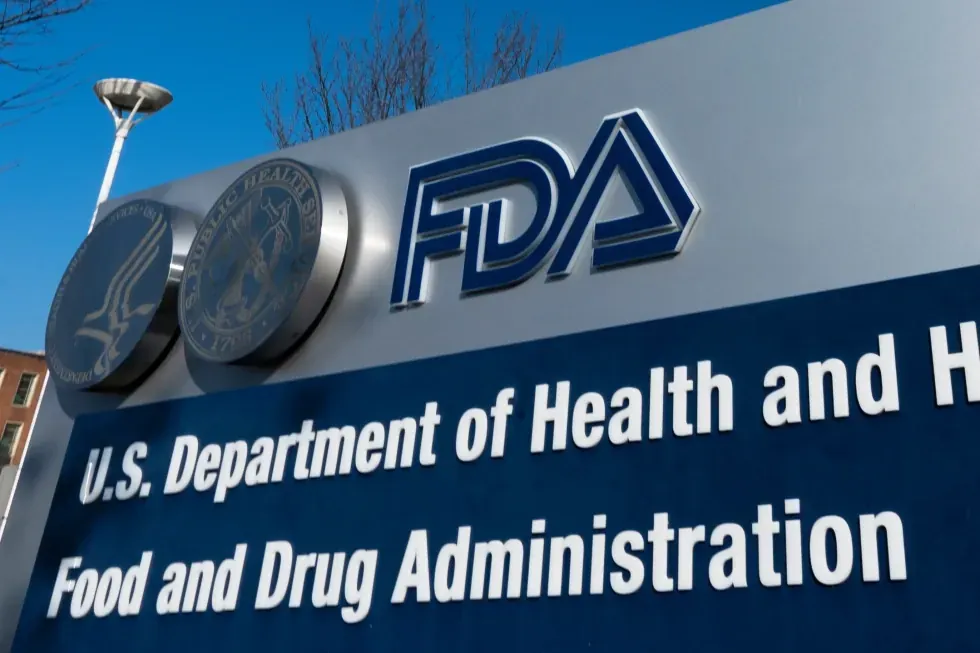
According to the Associated Press, the U.S. Food and Drug Administration (FDA) issued a notice regarding the recall of Children’s Ibuprofen Oral Suspension distributed by Taro Pharmaceuticals. While regulators assessed the risk of serious health consequences as low, the incident underscores vulnerabilities in quality control processes for widely used pediatric medicines.
Contamination Reports Trigger Regulatory Action
The recall was initiated after customers reported visible contamination, including “black particles” and a “gel-like mass” in the liquid medication. The affected product is a berry-flavored oral suspension commonly used to treat pain and fever in children aged 2 to 11.

Health authorities classified the recall as a case where adverse health effects are unlikely but still possible, prompting precautionary removal from distribution. Such classifications typically indicate limited immediate danger but require monitoring to prevent broader exposure.
From a public health perspective, even low-risk contamination incidents in pediatric medicines carry heightened scrutiny due to the vulnerability of the patient population and the widespread use of over-the-counter treatments.
Manufacturing Oversight Faces Renewed Scrutiny
The medication was manufactured in India by Strides Pharma Inc., a company that produces generic and over-the-counter drugs for global markets, including the United States. The recall was initiated by the manufacturer, according to FDA documentation.
Globalized pharmaceutical production has expanded access to affordable medicines, but it has also introduced regulatory challenges. Ensuring consistent quality across international manufacturing sites remains a priority for regulators such as the FDA and the World Health Organization.
Analytically, this case highlights the dependence of high-income markets on overseas production and the importance of harmonized inspection and compliance systems across jurisdictions.
■ Related News



Limited Health Risk but Ongoing Monitoring Required
The FDA stated that the probability of serious injury or long-term health consequences is “remote.” However, the presence of foreign material in liquid medication raises concerns about potential ingestion risks, particularly for young children.
Health authorities typically advise caregivers to discontinue use of affected products and consult healthcare providers if adverse symptoms occur. No widespread injuries or hospitalizations linked to the recall have been reported at this stage.
While the immediate clinical risk appears low, regulators continue to monitor for any emerging safety signals, reflecting standard pharmacovigilance practices.
Regulatory and Industry Response Remains Unclear
Neither Taro Pharmaceuticals nor Strides Pharma immediately responded to requests for comment, according to the Associated Press. The absence of immediate manufacturer response may complicate transparency efforts during recall events.
Regulatory agencies often require companies to investigate root causes, which may include contamination during production, packaging, or storage. Findings from such investigations can influence future compliance measures and manufacturing standards.
From a policy standpoint, this incident reinforces the need for rapid communication between manufacturers, regulators, and the public to maintain confidence in pharmaceutical safety systems.
Global Health Supply Chains Under Pressure
The recall comes amid broader concerns about the resilience and safety of global pharmaceutical supply chains. Increased demand for generic and over-the-counter medications has intensified reliance on international production networks.
Public health experts note that while most medicines meet safety standards, isolated incidents can reveal systemic gaps in inspection, reporting, or quality assurance mechanisms.
As global health systems continue to depend on cross-border manufacturing, maintaining rigorous oversight remains critical to preventing contamination risks and ensuring patient safety.