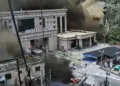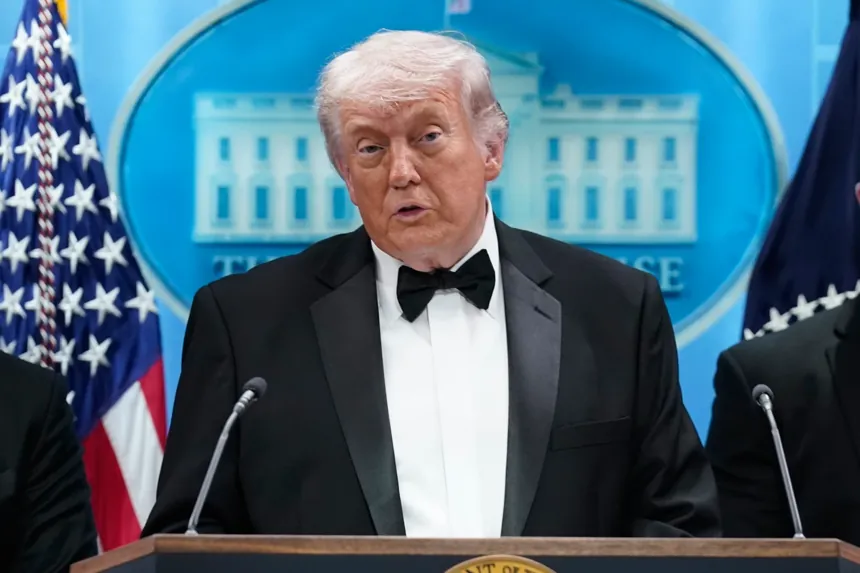
A suspect in a deadly shooting linked to a high-profile Washington, D.C. gala expressed grievances against former U.S. President Donald Trump in messages shared with family members, according to law enforcement officials, intensifying concerns over political violence and security at major public events.
Authorities say the attack, which occurred near a prominent gathering attended by political and media figures, has prompted a broader reassessment of safety protocols in the U.S. capital. Investigators are examining the suspect’s writings and communications as part of efforts to determine motive and any potential wider threat.
The Associated Press reported that the individual had documented frustrations tied to political developments, particularly involving Trump, in messages sent prior to the incident. Officials familiar with the investigation said these communications are now central to understanding whether the act was ideologically driven or rooted in personal grievances.

Security analysts note that the episode underscores growing risks tied to politically charged rhetoric in the United States, particularly as the country approaches another election cycle. While authorities have not confirmed links to organized groups, the presence of explicit political references has heightened scrutiny.
Security Concerns Intensify Around Political Gatherings
The shooting has renewed attention on the vulnerability of large-scale political and media events in Washington, where high-profile figures regularly convene. Experts say such gatherings present complex security challenges, especially in an environment marked by polarized discourse.
Law enforcement agencies are reviewing protective measures for future events, including the possibility of expanded screening procedures and increased coordination between federal and local authorities. Officials stressed that no immediate broader threat has been identified, but precautionary steps are being considered.
Analysts interviewed by international outlets, including Reuters, point to a pattern of lone-actor incidents linked to political motivations, which are often difficult to predict or prevent. This has led to calls for enhanced monitoring of potential warning signs, particularly online or within personal networks.
Political Climate Raises Broader Stability Questions
The emergence of politically themed grievances in the suspect’s writings reflects wider tensions within the U.S. political landscape, where divisions have increasingly translated into security concerns. While incidents of this nature remain relatively rare, they carry outsized implications for public confidence and democratic processes.
■ Related News
Observers say the case highlights the intersection between domestic political dynamics and broader perceptions of stability in the United States. For international audiences, such events can influence assessments of governance, security, and institutional resilience.
Officials have urged caution against drawing premature conclusions about motive, emphasizing that the investigation remains ongoing. However, the inclusion of political references has already drawn attention from policymakers and security experts alike.
International Implications and Monitoring
Governments and diplomatic missions in Washington are closely monitoring developments, particularly given the symbolic significance of events attended by political elites and journalists. Any perceived escalation in politically motivated violence could have ripple effects on diplomatic engagement and international perceptions.
Security specialists say the incident may prompt allied nations to reassess risk levels for their representatives attending similar events in the United States. While no formal advisories have been issued, the situation is being tracked as part of routine security evaluations.
As investigators continue to piece together the suspect’s background and intent, the case is expected to contribute to ongoing debates about political rhetoric, public safety, and the challenges of preventing targeted violence in democratic societies.