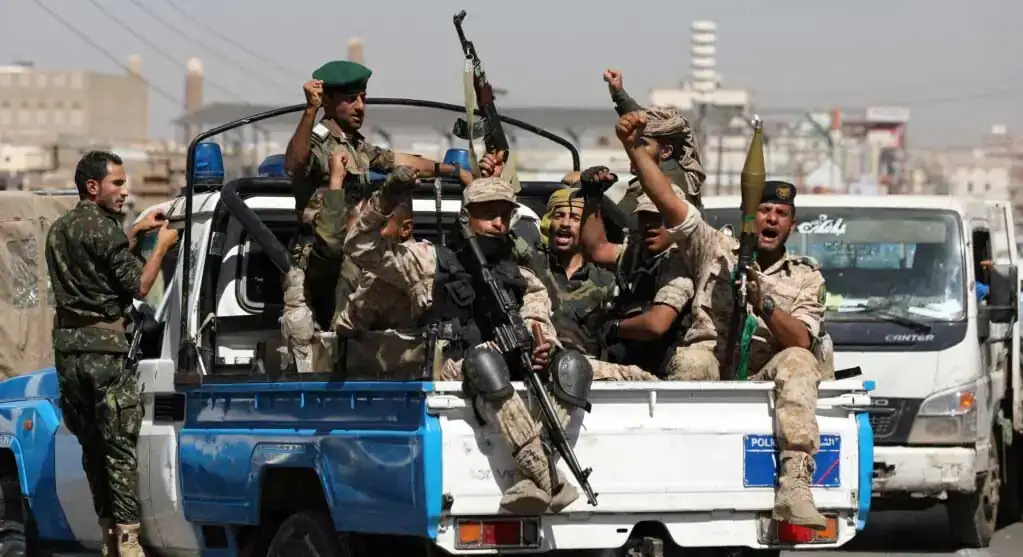
RIYADH, SAUDI ARABIA — Iran-backed armed groups are increasing pressure on Saudi Arabia and other U.S.-aligned Gulf interests, with Houthi attacks from Yemen intensifying at the same time that Iraqi militias face accusations of coordinating operations against Saudi targets.
The latest escalation came this week as the Houthis launched missile and drone attacks against southern Saudi Arabia, striking areas around Khamis Mushait, Abha and Jazan. Saudi Arabia’s official news agency reported that the attacks targeted national infrastructure and that the Saudi-led coalition would respond.
Saudi authorities have also reported repeated attacks against oil-related infrastructure. On July 29, Saudi Arabia said drones launched from Iraqi territory had targeted oil facilities in the kingdom and that the attackers were linked to Iran-backed militias. Saudi and U.S. forces subsequently carried out strikes against militia targets in Iraq.

The attacks are occurring as evidence emerges of closer operational links between the Houthis and Iran-aligned Iraqi militias.
Reported coordination between Iraqi militias and Houthis
Regional and Iraqi officials told The Associated Press that Houthi personnel helped Iraqi militias plan and execute a two-day drone attack against Saudi oil facilities in July. According to those officials, Houthi representatives participated in an operations room run by Iraqi militias.
The allegations indicate a potentially broader division of roles among Iran-aligned groups, with the Houthis bringing their experience in long-range missile, drone and maritime operations while Iraqi militias provide another geographic platform for attacks against Gulf targets.
The Popular Mobilization Forces, an umbrella organization incorporating powerful Iraqi militias, has denied involvement in the Saudi attack and denied that Houthis were operating under its authority. The Houthis did not respond to requests for comment cited in the report.
The reported cooperation does not necessarily mean that all groups within Iran’s regional network operate under a single command. Some Iran-aligned armed groups retain their own political and military interests and have acted independently of Tehran.
■ Related News



Saudi Arabia faces pressure on multiple fronts
The renewed Houthi campaign is particularly significant because Saudi Arabia has spent years trying to reduce the risk of another major war with the group.
The Houthis have nevertheless resumed attacks against Saudi territory and declared a blockade targeting Saudi-linked shipping in the Red Sea. Their recent attacks have included oil and economic facilities in southern Saudi Arabia, increasing the risks to both the kingdom’s infrastructure and maritime trade.
Saudi Arabia has vowed to defend its territory and national assets. Its coalition spokesman said the latest Houthi attacks demonstrated continued targeting of Saudi infrastructure and that military action would be conducted under the kingdom’s stated right of self-defense.
The Saudi Foreign Ministry has also warned that attacks affecting maritime routes threaten regional security and the safety of international navigation and energy supplies.
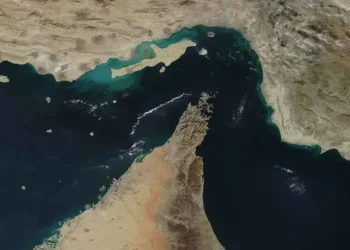
The immediate concern is that attacks from Yemen and Iraq could create overlapping pressure on Saudi Arabia’s energy infrastructure and shipping routes, while the wider conflict involving Iran has already disrupted the strategic Strait of Hormuz.
Iraq faces a separate militia challenge
The developments also put pressure on the Iraqi government, which is attempting to bring powerful Iran-aligned armed groups under greater state control.
Iraqi Prime Minister Ali al-Zaidi has committed to disarming militia groups by the end of September, but major Iran-backed factions have resisted the deadline. Their opposition reflects the political and military influence these groups retain inside Iraq.
For Baghdad, attacks launched from Iraqi territory create an additional sovereignty problem. The government must balance pressure from the United States and Gulf states with the domestic political power of the militias and their longstanding ties to Iran.
The Saudi strikes against militia targets in Iraq in July demonstrated the consequences of that dilemma. Riyadh has said it does not seek escalation but reserves the right to respond to attacks against its territory and critical infrastructure.
Regional security risks are widening
The latest developments add another layer to an already unstable regional security environment.
The Houthis remain capable of threatening both Saudi territory and shipping around the Red Sea, while Iraqi militias provide Iran-aligned groups with another potential avenue for attacks closer to the Gulf.
At the same time, Saudi Arabia is seeking to protect its energy infrastructure and maintain alternative export routes as instability affects both the Red Sea and Strait of Hormuz.
The immediate question is whether the attacks remain limited or develop into sustained military confrontation involving Saudi Arabia, Iraq, Iran and the United States.
For now, the expanding cooperation reported between the Houthis and Iraqi militias is increasing the number of potential fronts facing Gulf states and making regional escalation harder to contain.
Reporting Credit: Saudi Press Agency / Saudi Ministry of Defense — Saudi statements on Houthi attacks, attacks originating from Iraqi territory, and Saudi military responses; Saudi Ministry of Foreign Affairs — official statements concerning Houthi attacks, maritime security and regional escalation.