Bolivia, South America – Bolivia’s proposed $1.9 billion International Monetary Fund program is facing growing domestic opposition as fuel shortages, higher costs and subsidy cuts increase pressure on President Rodrigo Paz’s government.
Nine civic and social organizations met in Cochabamba on Wednesday to demand action over the worsening fuel situation, adding to pressure on an administration seeking congressional support for the IMF-backed agreement.
The arrangement reached between Bolivian authorities and IMF staff in July is intended to provide financing while supporting a broad economic reform program. It still requires approval from the IMF’s Executive Board, with initial financing also dependent on implementation of agreed prior actions.

Fuel subsidies become the main political flashpoint
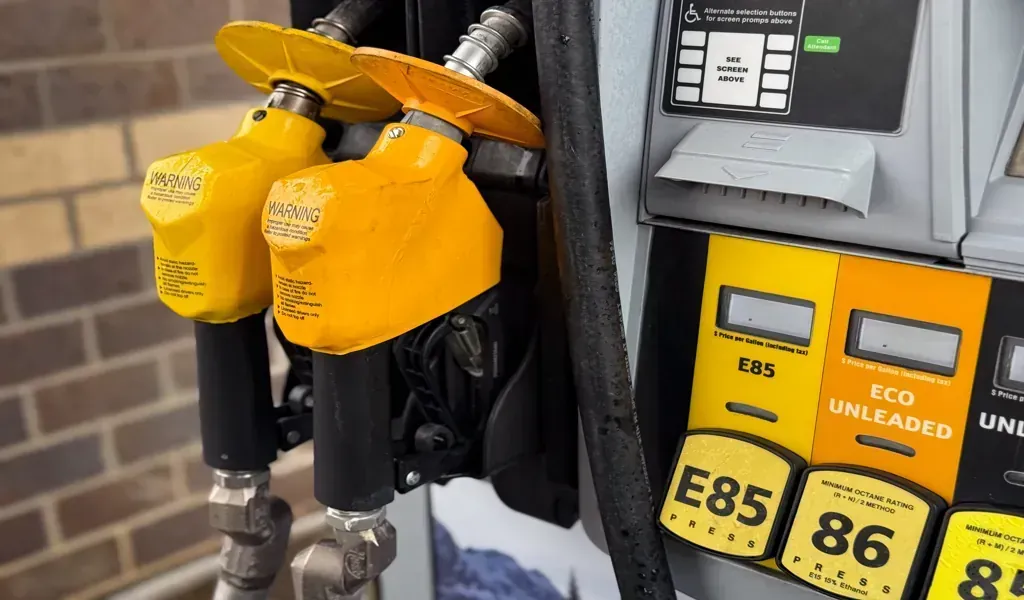
Fuel shortages have become one of the most visible consequences of Bolivia’s economic difficulties.
Diesel shortages and reductions in fuel subsidies have raised costs for households, transport operators and businesses. Protests and roadblocks linked to the broader economic situation have also disrupted activity.
In Santa Cruz, Bolivia’s agricultural and business center, civic leaders have accused the government of using the IMF agreement to justify subsidy reductions before the program receives final approval. The government has not publicly released the details of the financing package.
The dispute has turned fuel policy into a test of whether Paz can maintain support for a wider economic stabilization program.
IMF financing remains subject to approval
The proposed 36-month Extended Fund Facility would provide Bolivia with approximately $1.9 billion.



The IMF says the arrangement is designed to support the authorities’ comprehensive economic reform program. The agreement remains subject to Executive Board approval, while the initial disbursement depends on implementation of agreed measures.
The program could also help unlock more than $5 billion in financing from other international institutions, including the World Bank and Inter-American Development Bank.
For a government facing severe financing constraints, the prospect of additional multilateral funding increases the economic importance of securing the IMF arrangement.
Broader economic pressures complicate reforms
Bolivia’s problems extend beyond fuel availability.
The country has faced declining natural-gas production, depleted foreign-currency reserves and large fiscal deficits. The IMF has projected an economic contraction in 2026 alongside a sharp increase in consumer prices.
Paz’s government has responded with spending reductions, changes to fuel subsidies and other market-oriented reforms aimed at stabilizing public finances and restoring investor confidence.
Those measures, however, can impose immediate costs on consumers and businesses, creating a difficult political trade-off between short-term hardship and longer-term stabilization.
Government messaging adds to tensions
The controversy has also been complicated by conflicting government messaging over the role of the IMF.
Presidential Minister Fernando Aramayo recently described a diesel-pricing measure as an IMF “condition” before retracting the statement. The episode intensified concerns among opponents that the government was implementing IMF-related measures before the agreement had received final approval.
Civic leaders have called for greater transparency over the IMF’s actual requirements.
For Paz, the distinction has political significance. His government must argue that difficult economic measures are necessary while avoiding the perception that policies are simply being imposed by an external lender.
Opposition reaches beyond traditional politics
Resistance to the reforms extends beyond political parties.
Labor unions, Indigenous organizations and other social groups have previously protested fuel shortages and economic measures. Some supporters of former President Evo Morales have also opposed Paz’s policies.
More recently, opposition has spread to parts of the business community, particularly in Santa Cruz.
That creates a broader challenge for the government because business groups have generally been more receptive to Paz’s market-oriented economic agenda.
Currency pressure adds to financing concerns
Bolivia’s currency has also weakened on parallel markets as uncertainty over external financing has increased demand for dollars.
Investors who had become more optimistic about the government’s economic reforms are becoming more cautious, adding another incentive for Paz’s administration to secure the IMF program.
A delay could prolong uncertainty over foreign financing while Bolivia’s reserves and fiscal position remain under significant pressure.
IMF deal could unlock additional funding
The significance of the proposed $1.9 billion arrangement extends beyond the IMF financing itself.
The broader package could exceed $5 billion over the program period through support from other international development institutions, according to the IMF’s assessment.
That potential makes approval of the arrangement an important part of the government’s effort to address its financing constraints.
But accessing that support depends on overcoming political resistance to the reforms associated with economic stabilization.
Paz faces a test of economic credibility
Paz took office promising to reverse years of economic deterioration and attract greater private investment.
His government now faces the difficult stage of that agenda: implementing policies intended to improve public finances over time while absorbing the political consequences of higher costs in the short term.
The growing dispute over fuel prices illustrates how quickly economic stabilization measures can become a political liability.
The government’s ability to explain the reforms, maintain political support and demonstrate that vulnerable households will not bear disproportionate costs will be central to the IMF program’s prospects.
Reporting Credit: International Monetary Fund, Bolivian government authorities, Business and labor opposition and financial-market developments.