LA GUAIRA, Venezuela – The humanitarian emergency unfolding in Venezuela deepened on Saturday as rescue operations continued across the coastal state of La Guaira, where authorities and international aid teams raced to locate survivors following two powerful earthquakes that struck earlier in the week.
Officials said the confirmed death toll had risen to 1,430, while families reported approximately 68,900 people remained missing three days after the back-to-back earthquakes measuring 7.2 and 7.5 in magnitude devastated large parts of the country. The figures were reported by Venezuelan authorities and referenced by families searching for missing relatives.
With the critical early rescue window narrowing, emergency crews from several countries joined local responders in searching collapsed buildings. Aid organizations have identified the first 48 to 72 hours after a major earthquake as the period when rescue efforts are generally most likely to locate survivors, although that timeframe can extend when trapped individuals have access to food or water.

International Assistance Expands
Venezuelan officials stated that 17 aircraft carrying more than 1,600 rescue personnel had arrived in the country by Saturday. Search-and-rescue teams from Mexico, the United States, Brazil, El Salvador, France and other nations were deployed to affected communities, working alongside Venezuelan emergency responders.
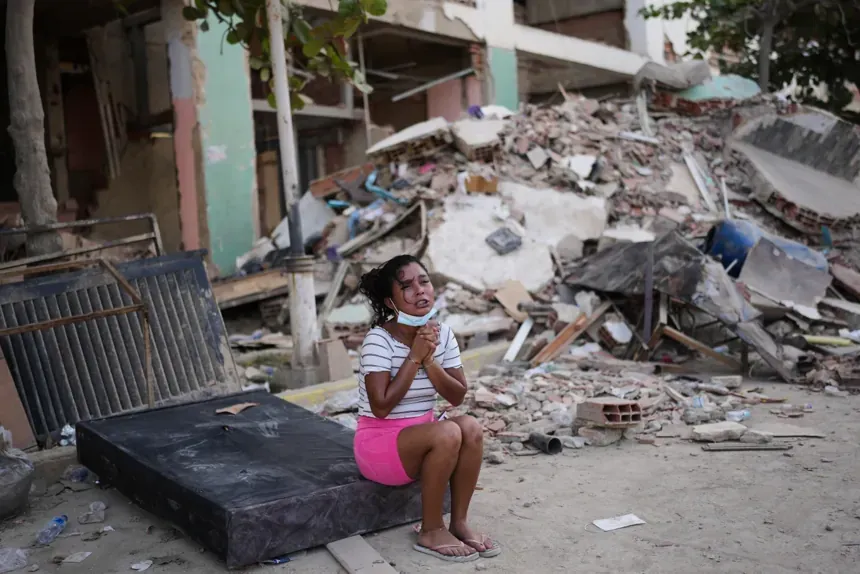
In heavily damaged neighborhoods, rescuers searched unstable structures using specialized equipment while residents continued clearing debris with shovels, ropes, heavy machinery and, in many cases, their bare hands. Mexican rescue personnel were seen calling into collapsed buildings in an effort to locate anyone still alive beneath the rubble.
The arrival of foreign rescue teams provided renewed optimism for many residents who had spent days searching independently for relatives and neighbors.
Public Frustration Grows
Despite the expanding international response, frustration continued to mount among residents who said official assistance had not matched the scale of the disaster.
Some communities reported seeing limited government personnel during the first days of rescue efforts, while others criticized what they viewed as an insufficient emergency response. Several residents interviewed at disaster sites alleged that emergency operations had been delayed, although those claims could not be independently verified.
Acting President Delcy Rodríguez said on state television that more than 14,000 military personnel and police officers had been deployed to secure the affected area, where authorities introduced access restrictions requiring special permits to enter.
Search Continues Under Difficult Conditions
Search operations continued in extremely challenging conditions as aftershocks persisted and damaged buildings remained unstable.
Dust-covered neighborhoods, high temperatures and the growing presence of decomposing bodies complicated recovery efforts throughout La Guaira. Temporary identification areas were established where recovered victims were being processed before transfer.
Some survivors were successfully rescued from collapsed structures, offering moments of hope amid widespread devastation. One elderly survivor was pulled from the remains of a public housing building and transported for medical treatment, while additional rescues involving both Venezuelan and foreign teams highlighted the continuing search for people believed to remain trapped.
According to Salvadoran authorities, one rescued woman requested a soft drink after being freed from the debris. Telemundo also reported the rescue of an 18-day-old infant after an extended search operation.
Humanitarian Impact Widens
The International Organization for Migration estimated that more than six million people could ultimately be affected by the disaster, including around two million residents in the capital, Caracas.
Experts cited in the source material said the severe destruction was intensified by the rapid succession of two shallow earthquakes. Smaller aftershocks continued to shake parts of Venezuela, including a magnitude 4.8 tremor reported on Saturday.
Damage also affected critical infrastructure. Simón Bolívar International Airport, which serves Caracas, sustained significant damage, although one runway remained operational.
Jeremy Lewin, a senior U.S. State Department official responsible for foreign assistance, said American teams were helping restore airport operations while a U.S. Navy transport ship remained stationed offshore to receive injured survivors requiring medical care. Lewin described the ongoing operation as a “race against the clock” as rescue teams continued searching for those still trapped.
Recovery Effort Faces Long-Term Challenge
The disaster presents a significant humanitarian and logistical challenge for Venezuela as emergency operations transition from immediate rescue efforts toward longer-term recovery.
Tags: Venezuela, La Guaira, Earthquake, Caracas, International Rescue, Humanitarian Crisis, Delcy Rodríguez, International Organization for Migration, Disaster Response, Search and Rescue, Latin America, Foreign Aid