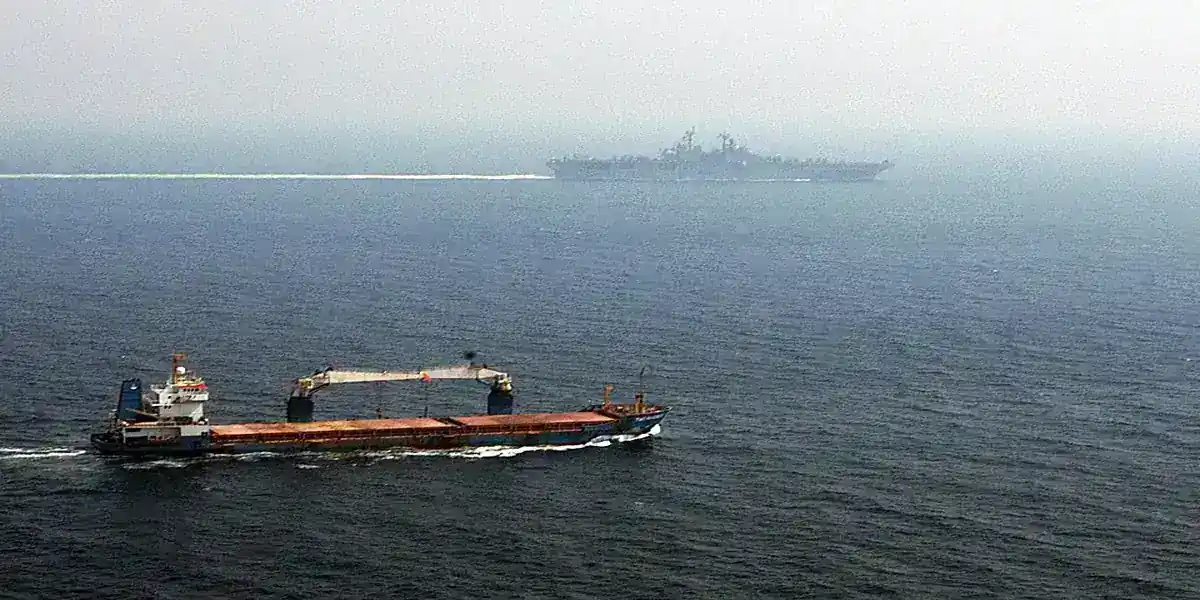
LONDON — Oil prices rose Wednesday as renewed U.S.-Iran fighting revived concerns that military escalation could further disrupt crude supplies and commercial shipping through the Strait of Hormuz, one of the world’s most important energy chokepoints.
Brent crude settled at $95.63 a barrel, up 98 cents, while U.S. West Texas Intermediate (WTI) gained 79 cents to $91.01. Both benchmarks traded sharply during the session as investors weighed the possibility of a wider supply disruption against evidence that some oil continues to reach international markets.
The latest gains came after the United States and Iran exchanged some of their most intense attacks since July, adding fresh uncertainty to an energy market that has already experienced months of disruption.

Hormuz remains the central risk
The Strait of Hormuz is critical because large volumes of oil and liquefied natural gas normally pass between the Persian Gulf and global markets.
The disruption has already been substantial. The U.S. Energy Information Administration (EIA) estimated that crude oil and petroleum liquids moving through Hormuz averaged only 4.9 million barrels per day in the second quarter of 2026, compared with 21.6 million barrels per day in the fourth quarter of 2025, before the conflict began.
That reduction has forced producers and traders to rely more heavily on alternative transportation routes and available inventories.
The problem is that those alternatives cannot completely replace Hormuz.
Shipping activity is under pressure
The renewed fighting has raised concerns about whether commercial vessels can continue operating safely through the strait.
■ Related News

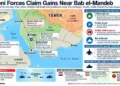
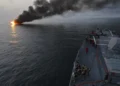

Recent vessel-tracking data showed a sharp decline in crossings. Reuters reported that only four vessels passed through Hormuz on Tuesday, compared with a 10-day average of about 13, although tracking data can be incomplete when vessels switch off their transponders.
The reduction matters because oil prices respond not only to actual supply losses but also to the risk that future shipments could be delayed or blocked.
A sustained decline in tanker traffic would increase pressure on inventories and could push prices higher.
Oil production has already been disrupted
The conflict has also affected production across the Persian Gulf.
The EIA estimated that production shut-ins averaged 5.5 million barrels per day in July. It expects disruptions to continue affecting regional production as shipping through Hormuz remains constrained.
The agency has warned that it could take until early 2027 for production and international trade patterns to broadly return to their pre-conflict conditions under its current assumptions.
That creates a longer-term risk for global oil inventories.
Prices reflect uncertainty
The latest price increase is partly a risk premium.
Traders are attempting to determine how much physical oil will actually be lost from global markets and how long the disruption could last.
If fighting remains limited and tanker traffic recovers, prices could retreat as supply concerns ease.
If attacks expand to commercial shipping, energy infrastructure or additional regional producers, the market could face a much more serious supply shock.
That uncertainty has made oil prices particularly volatile.
Higher oil prices could spread through the economy
A sustained increase in crude prices would affect more than energy companies.
Higher oil prices can increase the cost of gasoline, diesel, aviation fuel and transportation. Businesses that depend heavily on energy may face higher operating expenses, while consumers could eventually see higher prices for transportation and other goods.
The effect could complicate efforts by central banks to control inflation.
The EIA has already raised its outlook for oil prices because of continuing disruptions. In its August forecast, it projected Brent crude would average about $85 a barrel during the third quarter of 2026, while warning that reduced Hormuz shipments were causing further declines in global inventories.
Recent market prices are now well above that quarterly forecast.
Alternative supplies provide some protection
The global oil market is not completely dependent on uninterrupted Hormuz traffic.
Some Gulf producers can redirect portions of their exports through pipelines and alternative maritime routes. Saudi Arabia, for example, can use routes toward the Red Sea, although those alternatives are more limited and can be more expensive.
Other producers outside the region can also increase supplies, depending on available production capacity.
But these measures cannot fully compensate for a prolonged loss of Hormuz flows.
The next phase of the conflict matters most
For energy markets, the most important question is whether the latest U.S.-Iran escalation remains contained or develops into a broader disruption of Middle Eastern oil infrastructure and shipping.
Markets will closely watch tanker movements through Hormuz, attacks involving commercial vessels, regional production levels and diplomatic efforts between Washington and Tehran.
For now, the latest fighting has returned the Strait of Hormuz to the center of the global oil market, keeping supply risks elevated even as some crude continues to reach international buyers.
Key Facts
- Brent crude: $95.63 a barrel at Wednesday’s settlement
- WTI crude: $91.01 a barrel
- Main risk: Disruption to oil shipments through the Strait of Hormuz
- Hormuz flows, Q2 2026: 4.9 million barrels per day
- Hormuz flows, Q4 2025: 21.6 million barrels per day
- July production shut-ins: About 5.5 million barrels per day
- Conflict: Seventh month of U.S.-Iran fighting
- EIA outlook: Major production and trade disruptions could persist into early 2027
- Status: DEVELOPING — GLOBAL ENERGY MARKETS
Reporting Credit: U.S. Energy Information Administration — oil production, inventories and Strait of Hormuz flow data; U.S. Department of Energy — energy-market information; U.S. and Iranian government statements — conflict and security developments.