WASHINGTON – The Trump administration is proposing a significant increase in funding for programs intended to counter China’s expanding global influence, including investments in secure telecommunications infrastructure, cybersecurity, and strategic development projects across multiple regions.
Congressional notification documents obtained by The Associated Press show the administration intends to allocate $175.8 million to replace aging undersea telecommunications cables in the Caribbean and Central America with systems that U.S. officials describe as more secure and less vulnerable to Chinese involvement.
The proposal signals a renewed emphasis on strategic competition with China after many similar initiatives were suspended during broad federal budget reductions and government restructuring last year.

Undersea Cable Project Targets Regional Communications
The proposed initiative, titled “Countering CCP Control of Caribbean and Central America Undersea Cables,” would finance new undersea cable installations while supporting partner governments working with private-sector telecommunications providers.
According to the congressional notification, the program is intended to modernize communications infrastructure across the Caribbean and Central America using U.S.-backed or other trusted technology providers.
Countries expected to benefit include El Salvador, Guatemala, Honduras, Nicaragua and Haiti. The notification notes, however, that the United States would not coordinate directly with Nicaragua’s government because of strained bilateral relations.
The Trump administration has repeatedly expressed concern over China’s expanding presence in the Western Hemisphere, citing Beijing’s infrastructure investments through the Belt and Road Initiative, growing participation in regional telecommunications networks and commercial interests near the Panama Canal.
A State Department official, speaking on condition of anonymity because they were not authorized to discuss the proposal publicly, said Chinese investments in critical infrastructure pose long-term national security and economic risks for the United States and regional partners. The official also argued that some Chinese-backed infrastructure projects have experienced higher long-term costs because of construction overruns, maintenance requirements and operational issues.
■ Related News



Broader Strategy Expands Global Competition With China
The undersea cable proposal forms part of a wider State Department effort to restore and expand programs designed to compete with China’s diplomatic, technological and economic influence.
According to an internal State Department document reviewed by The Associated Press, officials are considering allocating nearly $500 million in additional funding for China-focused initiatives across the Western Hemisphere, Africa and Asia.
The document states that the United States must respond to what it describes as the Chinese Communist Party’s expanding economic, diplomatic and technological influence, arguing that Beijing’s activities undermine U.S. strategic interests.
Many of the proposed programs would revive diplomatic and development initiatives that were reduced or suspended during budget cuts implemented under the Elon Musk-led Department of Government Efficiency (DOGE).
Those reductions included the dismantling of the U.S. Agency for International Development and the elimination of hundreds of diplomatic positions worldwide, affecting previously approved foreign assistance programs, including projects intended to counter China’s influence.
A senior U.S. official, also speaking anonymously because internal discussions remain ongoing, confirmed that the administration intends to expand funding for counter-China initiatives but said many proposals are still under review.
Cybersecurity and Infrastructure Projects Under Consideration
The internal State Department proposal also outlines more than $340 million for over 50 additional projects aimed at reducing China’s influence globally.
Among the initiatives under consideration are cybersecurity operations centers in Argentina and Belize designed to monitor threats affecting critical infrastructure and digital networks.
Other proposed programs would assist Ecuador, Jamaica, Mexico, Paraguay, Peru and Uruguay in addressing concerns about Chinese involvement in port operations, offshore fishing activities and critical mineral supply chains.
The proposal also includes concepts aimed at supporting secure communications surrounding the future selection of the Dalai Lama, reducing international participation in China’s space program and countering exports of Chinese surveillance and internet censorship technologies. The document provides few operational details for those initiatives.
Diplomatic Engagement Continues Alongside Strategic Competition
The proposed funding increase comes as Washington and Beijing continue diplomatic engagement despite broader strategic rivalry.
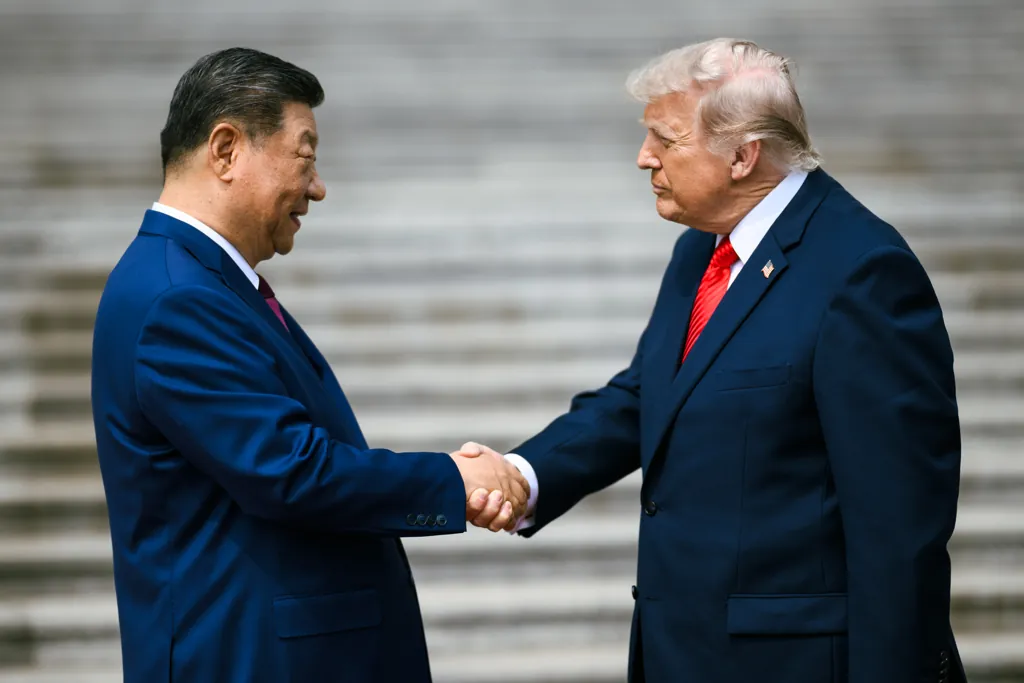
President Donald Trump is expected to meet Chinese President Xi Jinping in September during the period surrounding the United Nations General Assembly in New York.
Ahead of the anticipated meeting, Secretary of State Marco Rubio met Chinese Foreign Minister Wang Yi during a regional security conference in the Philippines last week.
The funding proposals also coincide with the administration’s broader foreign policy focus on the Western Hemisphere, including increased pressure on the governments of Cuba and Nicaragua alongside expanded regional security and diplomatic initiatives.
China’s embassy in Washington did not immediately respond to requests for comment on the proposed programs.
Several initiatives have already been submitted to Congress, while others remain under internal review. As a result, the scope, funding levels and implementation timeline for many of the proposals could change before final approval.
This report is based on reporting by The Associated Press.