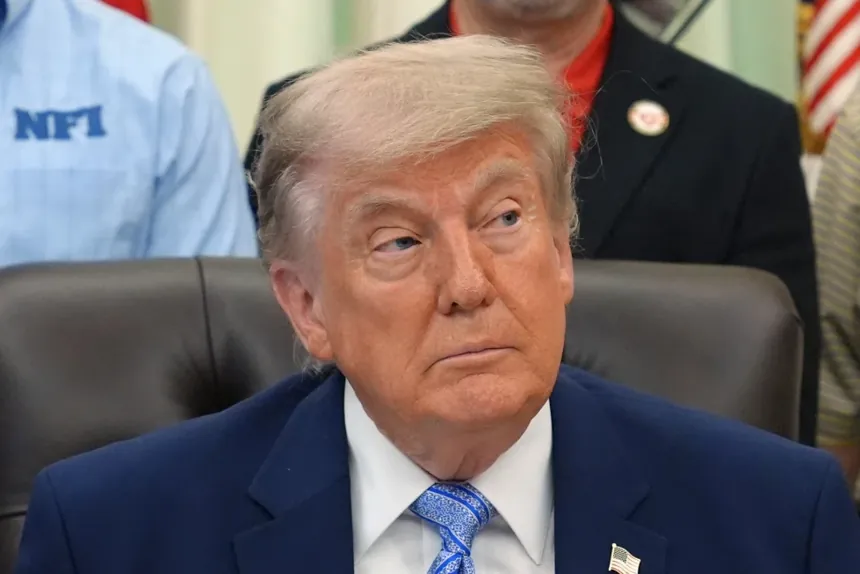
President Donald Trump announced plans to send an additional 5,000 US troops to Poland, a move that immediately fueled uncertainty among European allies over Washington’s military strategy across the continent. The announcement comes as administration officials continue debating the future scale of the American troop presence in Germany and broader NATO force deployments.
According to The Associated Press, Trump framed the deployment as part of a broader effort to strengthen US military positioning in Eastern Europe while pressing NATO allies to increase defense spending commitments. The decision has intensified scrutiny over whether the administration is shifting military priorities away from Western Europe toward frontline states closer to Russia.
The troop announcement also renewed questions about the balance between deterrence and alliance cohesion within NATO, particularly as European governments seek greater clarity on US defense guarantees under Trump’s leadership.

Executive Pressure Reshapes NATO Deployment Strategy
Administration officials said the additional troops would bolster military cooperation with Poland, which has consistently advocated for a stronger American military footprint in Eastern Europe. Polish leaders have welcomed expanded US deployments as a deterrent against Russian aggression and a sign of continued bilateral defense cooperation.
However, the announcement appeared to create confusion among NATO partners after previous discussions about reducing the US military presence in Germany. European officials have been seeking reassurance that troop repositioning would not weaken alliance readiness or reduce operational coordination across the continent.
The evolving strategy reflects a broader shift within the Trump administration toward emphasizing burden-sharing among NATO members while prioritizing strategic positioning closer to Eastern Europe’s security corridor.
Diplomatic Questions Emerge Across Europe
The deployment announcement is likely to deepen debate within European capitals over the reliability and predictability of US defense policy. Several NATO governments have expressed concern in recent years about abrupt military repositioning decisions that could affect alliance planning and long-term defense coordination.
Germany, which hosts tens of thousands of US troops and major military infrastructure, remains central to NATO logistics and command operations. Any significant redistribution of forces could alter operational dynamics within the alliance and reshape diplomatic relations between Washington and key European partners.
■ Related News

Analysts say the administration’s emphasis on bilateral security arrangements with countries such as Poland may also signal a broader recalibration of how the United States approaches military partnerships inside NATO.
Security Posture Gains Political Significance
The move comes amid heightened geopolitical tensions in Europe and continuing pressure on NATO members to expand defense spending. Poland has emerged as one of the alliance’s strongest supporters of increased military readiness along NATO’s eastern flank.
For the Trump administration, the deployment reinforces a political message centered on military strength and strategic deterrence. At the same time, the lack of clarity surrounding broader troop adjustments in Europe risks creating uncertainty among allies already navigating regional security pressures.
The administration has not yet provided detailed timelines or operational plans for the deployment, leaving open questions about how the additional forces will integrate into existing NATO structures.