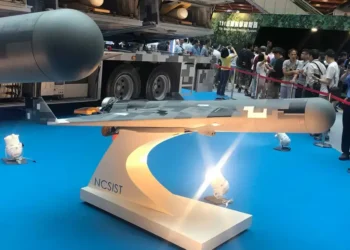
Taiwan said it has not received any official notification from the United States regarding a possible pause in a planned $14 billion arms package, even as senior American officials indicated that some foreign military sales could be delayed amid mounting military demands linked to the Iran conflict. The development has intensified scrutiny over Washington’s strategic commitments in the Indo-Pacific and its balancing act with China.
Taiwanese officials stated that communication channels with Washington remain active and that no formal changes to the proposed defense package have been conveyed. The comments followed remarks by acting U.S. Navy Secretary Hung Cao during a Senate hearing, where he said temporary pauses were being implemented to ensure adequate American munitions supplies for ongoing operations related to Iran.
Regional Security Concerns Intensify
The proposed arms package has become increasingly sensitive as tensions between the United States and China continue to shape regional security dynamics. Beijing considers Taiwan part of its territory and has consistently opposed U.S. military support for the island, while Taipei maintains that its future should be determined by its own population.

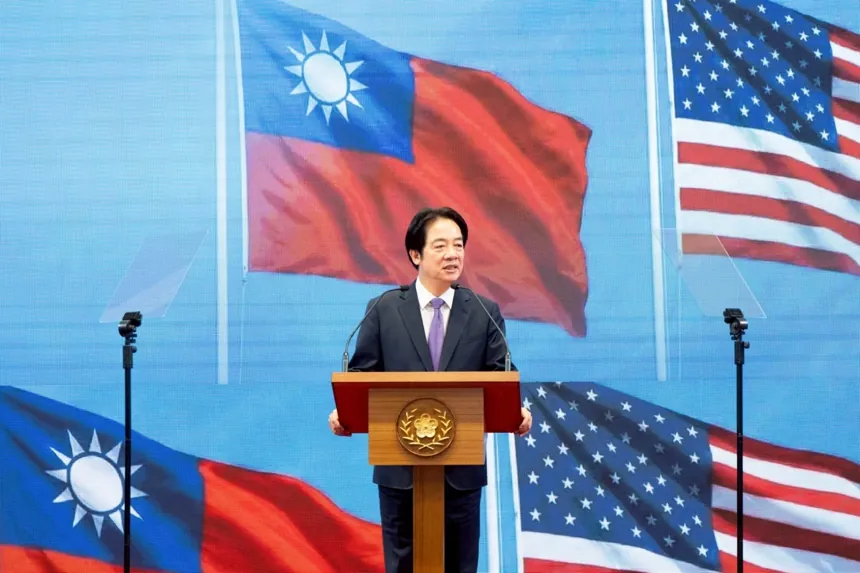
Taiwanese President Lai Ching-te recently defended continued U.S. arms purchases, describing them as critical for deterrence and regional stability. His administration has emphasized that defense cooperation with Washington remains grounded in long-standing U.S. legal commitments under the Taiwan Relations Act.
The uncertainty surrounding the package comes shortly after U.S. President Donald Trump suggested that future arms sales to Taiwan could become part of broader negotiations with China. Analysts noted that such remarks marked a departure from traditional U.S. messaging, which historically avoided linking Taiwan’s security arrangements directly to bilateral bargaining with Beijing.
Diplomatic Pressure Builds
Chinese officials reiterated their opposition to the planned weapons transfers after reports emerged that the sales may face delays. Beijing has repeatedly warned Washington against strengthening military ties with Taipei, arguing that such actions undermine regional stability and violate China’s sovereignty claims.
At the same time, officials in Taipei sought to downplay concerns over an immediate breakdown in defense cooperation. Government statements indicated that Taiwan continues to monitor developments closely while maintaining coordination with U.S. counterparts.
Security analysts said the issue reflects broader geopolitical pressures facing Washington as it manages simultaneous commitments in the Middle East and Asia. Concerns over American weapons stockpiles have grown during the Iran conflict, raising questions about how the United States prioritizes defense resources across multiple regions.
■ Related News

Strategic Implications for the Indo-Pacific
The debate over the Taiwan package has wider implications for U.S. credibility among allies and partners in Asia. Taiwan remains a central flashpoint in U.S.-China relations, and any perceived hesitation in military support could influence regional calculations involving deterrence and alliance reliability.
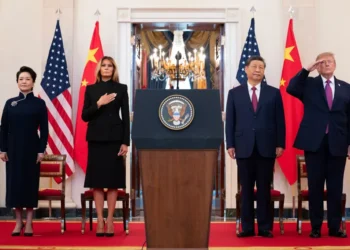
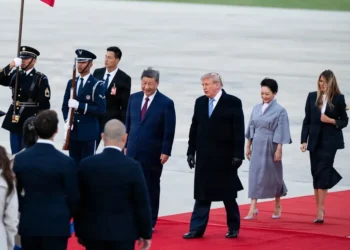
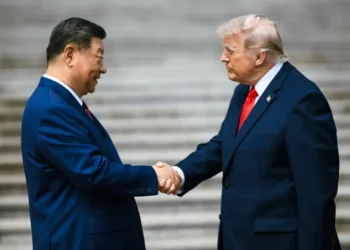
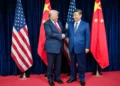
Recent diplomatic exchanges between Trump and Chinese President Xi Jinping have further heightened attention on Taiwan’s role in broader U.S.-China negotiations. According to international reports, Xi warned that mishandling the Taiwan issue could damage bilateral relations and increase the risk of confrontation.
While no official suspension of the arms package has been confirmed, the mixed signals from Washington have added to uncertainty surrounding future U.S. policy toward Taiwan at a time of growing geopolitical competition across the Indo-Pacific.