WASHINGTON — U.S. wholesale inflation accelerated sharply in May, recording its largest annual increase in more than two years as energy costs surged amid ongoing disruptions in global oil markets, according to data released Thursday by the Labor Department.
The Producer Price Index (PPI), which measures price changes received by producers before they reach consumers, increased 6.5% in May from a year earlier. That marked the strongest annual rise since November 2022. On a monthly basis, producer prices climbed 1.1% from April, matching the previous month’s increase.
Energy prices were a major driver of the increase. Labor Department data showed wholesale gasoline prices jumped more than 23% between April and May and were nearly 70% higher than a year earlier.

Energy Markets Push Inflation Higher
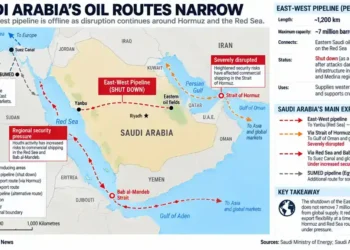
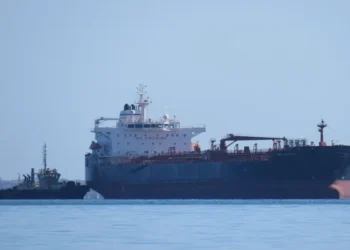
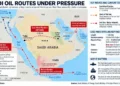
The latest inflation figures highlight the continued impact of elevated energy costs on the U.S. economy. Oil markets have faced significant disruption since tensions in the Middle East intensified earlier this year, contributing to higher fuel prices across global markets.
Although retail gasoline prices have eased slightly in recent days, the national average price for regular gasoline has remained above $4 per gallon since March, according to AAA. Seasonal demand associated with the summer driving period could place additional pressure on fuel costs in the coming months.
The increase in wholesale prices suggests that businesses continue to face elevated operating costs, which could eventually filter through to consumers.
Core Producer Prices Also Rise
Excluding the often-volatile food and energy categories, core producer prices increased 0.4% from April and were up 4.9% compared with May 2025.
The report followed separate Labor Department data released Wednesday showing consumer inflation also remains elevated. Consumer prices rose 4.2% year-over-year in May, the fastest pace in three years. Gasoline prices increased nearly 41% from the same month last year, while airfares climbed almost 27%.
■ Related News


The combination of rising consumer and producer prices indicates that inflationary pressures remain widespread across the economy.
Federal Reserve Faces Policy Challenge
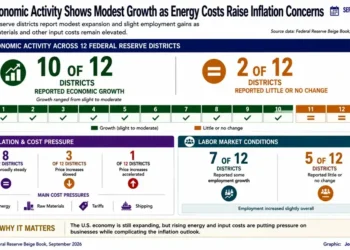
Inflation remains well above the Federal Reserve’s long-term target of 2%, reinforcing expectations that policymakers will maintain a cautious stance when they meet next week.
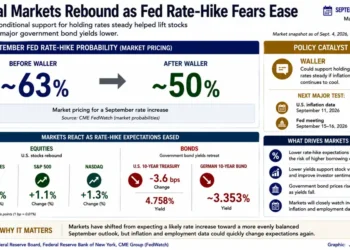
Financial markets broadly expect the central bank to leave interest rates unchanged in the near term. However, investors continue to monitor incoming inflation data for clues about whether additional policy tightening could be required later this year.
Producer price data is closely watched because some categories feed directly into the Federal Reserve’s preferred inflation measure, the Personal Consumption Expenditures (PCE) index.
Stephen Brown, chief North America economist at Capital Economics, said producer price components that influence the PCE calculation rose more than expected, supporting expectations that the Federal Reserve may eventually consider further interest-rate increases if inflation remains persistent.
Oil Supply Concerns Remain
Energy market participants are also monitoring U.S. crude inventories as supply concerns continue to influence prices.
S&P Global Energy warned Thursday that domestic oil stockpiles are declining as seasonal fuel demand strengthens. According to the firm, inventory levels currently remain above minimum operating thresholds, but continued disruptions to Middle Eastern oil flows could extend inventory drawdowns into the third quarter.
Aaron Brady of S&P Global Energy said prolonged declines in inventories could eventually place additional stress on the U.S. refining system, potentially creating further upward pressure on energy prices.
Outlook for Inflation
The May producer price report underscores the challenges facing policymakers as they attempt to bring inflation back toward target levels. While some categories have shown signs of moderation, elevated energy costs continue to pose risks for both businesses and consumers.
Future inflation trends will likely depend on developments in global energy markets, consumer demand during the summer months, and the Federal Reserve’s response to persistent price pressures across the economy.
Tags: Inflation, Producer Price Index, Federal Reserve, Energy Prices, Gasoline Prices, U.S. Economy, PPI, Interest Rates, Oil Markets, Consumer Inflation