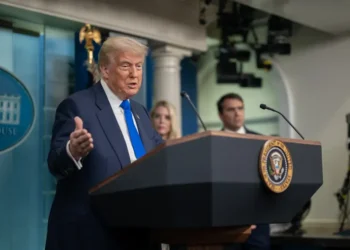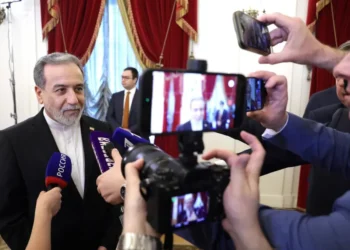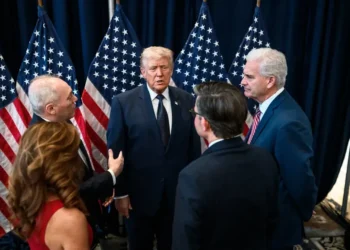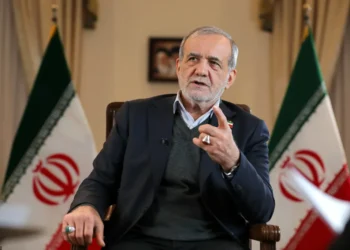
WASHINGTON – Uncertainty surrounding the future of the fragile U.S.-Iran ceasefire deepened after President Donald Trump endorsed another round of military strikes while delivering conflicting messages about whether Washington still intends to pursue a diplomatic settlement.
Trump said he believes the ceasefire is effectively over and questioned the value of continuing negotiations with Tehran. At the same time, he maintained that the latest military operations should not be viewed as the beginning of another prolonged conflict.
The mixed messaging comes only weeks after the United States and Iran reached an interim agreement designed to halt hostilities and create a pathway toward negotiations over Iran’s nuclear program and maritime security in the Strait of Hormuz.

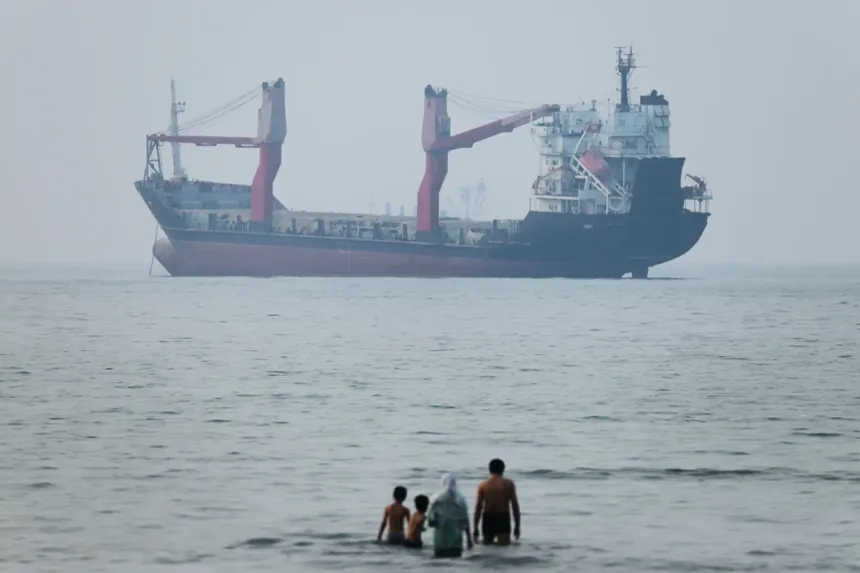
Washington has accused Iran of continuing attacks against commercial shipping in the strategic waterway and of delaying progress toward a broader nuclear agreement. Tehran, meanwhile, contends that the United States has failed to uphold its own commitments under the temporary arrangement.
Regional Mediators Intensify Diplomatic Efforts
As military operations resumed, regional governments accelerated diplomatic efforts to prevent the ceasefire from collapsing altogether.
According to a regional intelligence official involved in mediation efforts, senior officials from Pakistan, Qatar and Egypt remain engaged in continuous discussions aimed at preserving the agreement. Turkish President Recep Tayyip Erdogan and Saudi leaders are also participating in efforts to reduce tensions.
The official, who spoke anonymously because of the sensitivity of the negotiations, described the situation as increasingly fragile amid growing mistrust between Washington and Tehran.
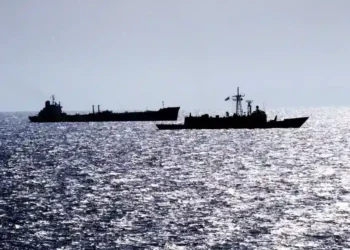
One of the principal disputes centers on security in the Strait of Hormuz, a vital global shipping route for oil and liquefied natural gas exports. U.S. officials accuse Iran of threatening freedom of navigation, while Iranian officials argue that Washington has violated understandings reached during negotiations and has failed to ensure implementation of a ceasefire involving Lebanon, including an Israeli military withdrawal.
■ Related News


Nuclear negotiations were expected to become the next phase of diplomacy following last month’s interim agreement, with both sides exploring a more durable settlement.
Military Pressure Raises Questions About Negotiations
Hours after warning that additional military action could occur, Trump confirmed that U.S. forces had launched fresh strikes intended to reduce Iran’s ability to threaten maritime traffic through the Strait of Hormuz.
“Anything that happens is going to happen very fast,” Trump said before the operation. “We’re not looking for a long time.”
He later suggested that the United States might no longer prioritize preserving the ceasefire.
“I think it’s over,” Trump said, adding that Washington could “just finish the job.”
Iranian Parliament Speaker Mohammad Bagher Qalibaf rejected Trump’s position, accusing the United States of repeatedly violating the interim agreement.
“The era of bullying and extortion is over,” Qalibaf wrote on X. “It leads nowhere. We don’t fold.”
Pakistan, which helped broker the ceasefire, urged both governments to maintain dialogue.
In a statement, Pakistan’s Foreign Ministry said continued diplomacy remained the only viable path toward achieving lasting regional peace.
Analysts See Continued Bargaining Despite Escalation
Despite Trump’s increasingly confrontational rhetoric, some analysts believe both governments remain engaged in a broader negotiating strategy.
Michael Eisenstadt, director of the Military and Security Studies Program at the Washington Institute for Near East Policy, said public declarations about abandoning the memorandum of understanding may themselves be part of ongoing negotiations.
“We’re still in negotiating mode, no matter what the president says,” Eisenstadt said.
Ali Vaez, Iran director at the International Crisis Group, said Washington appears to be increasing military pressure while attempting to preserve diplomatic options.
However, he cautioned that such coercive tactics carry significant risks if military escalation begins to outpace political control.
Vaez also argued that Iran retains strong incentives to continue negotiations because it needs the economic relief envisioned under the interim agreement.
Political and Economic Risks Continue to Grow
Vice President JD Vance defended the renewed military action, saying Iran had complied with the agreement only briefly before resuming attacks on shipping.
“If they shoot at ships, we’re going to knock the hell out of them,” Vance said during an event in Milwaukee.
Trump has also revived threats against Iranian civilian infrastructure, including electric facilities, desalination plants and the country’s oil-production hub on Kharg Island, saying the United States could seize the island if necessary.
Meanwhile, continued instability has renewed concerns about global energy markets.
Trump acknowledged that military operations can push oil prices higher but argued the consequences are justified if they prevent Iran from obtaining a nuclear weapon.
The economic implications may also carry domestic political consequences.
With U.S. midterm elections less than four months away, sustained increases in fuel prices could create additional political pressure for Republicans seeking to maintain control of Congress, even as the administration argues that its strategy is necessary to address long-term security concerns.
Whether the renewed military campaign represents a negotiating tactic or the beginning of a broader escalation remains uncertain, as regional mediators continue working to prevent the temporary ceasefire from unraveling completely.
This report is based on reporting by The Associated Press.
Article Topics: Iran Conflict | Donald Trump | Strait of Hormuz | Ceasefire | Nuclear Talks | U.S. Military | Middle East | Oil Prices