WASHINGTON – The pace of U.S. inflation slowed more than expected in June as declines in gasoline, clothing, and used vehicle prices helped reduce overall consumer costs, while underlying inflation also showed broader signs of easing, according to new data from the U.S. Labor Department.
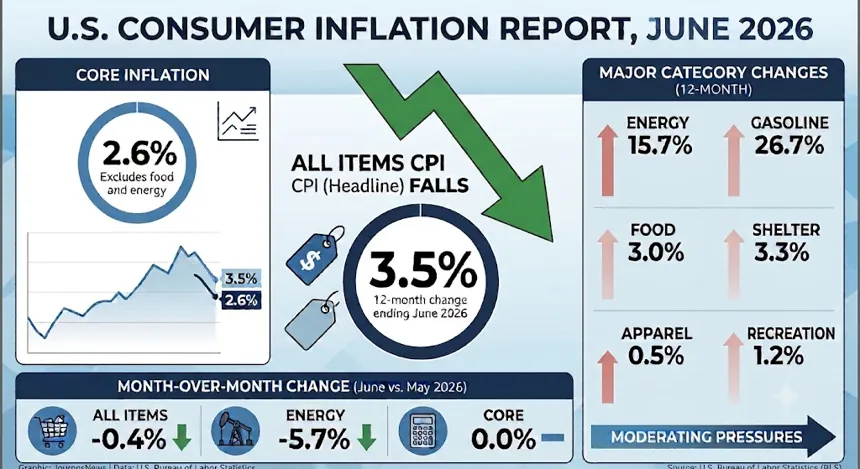
Consumer prices fell 0.4% between May and June, marking the largest monthly decline in four years, the Labor Department reported Tuesday. On an annual basis, inflation slowed to 3.5%, down from 4.2% in May and below the expectations of many economists.
The report offers evidence that price pressures have moderated despite recent volatility in energy markets, potentially giving the Federal Reserve additional flexibility as policymakers weigh whether further interest rate increases will be necessary.

Core inflation, which excludes the often-volatile food and energy categories and is closely monitored by the Federal Reserve, was unchanged during June. Annual core inflation eased to 2.6% from 2.9% a month earlier, although it remains above the Fed’s long-term 2% target.
Michael Metcalfe, head of macro strategy at State Street Markets, said the latest figures suggest recent increases in gasoline prices have not yet spread broadly across the economy.
“This reading is very much in the camp that the inflation we’ve had this year is transitory,” Metcalfe said. “Yes, gas prices went up, but nothing else did, more or less.”
Federal Reserve outlook
The softer inflation report could lessen pressure on the Federal Reserve to raise its benchmark interest rate in the near term. Fed officials left the central bank’s key policy rate unchanged at about 3.6% during their most recent meeting.
Kathy Bostjancic, chief economist at Nationwide Financial, said the data provides policymakers with greater flexibility.
“Today’s report gave some breathing room for the Federal Reserve in deciding whether and when to raise interest rates,” she said.
Federal Reserve Chair Kevin Warsh, in prepared testimony to the House Financial Services Committee on Tuesday, reiterated that the central bank has “no tolerance” for elevated inflation and pledged that high inflation would become “a thing of the past.” He did not indicate what policy actions the Fed may take in coming months.



Minutes from the Fed’s June 16-17 meeting showed policymakers remain divided over whether additional rate increases will be needed this year. Roughly half favored another increase if inflation remains persistent, while others preferred waiting for further evidence that price growth continues to moderate.
Broad-based easing across consumer prices
Several major categories recorded slower price increases than economists had anticipated.
Electricity prices declined 1% from May to June, although they remained 4% higher than a year earlier. Clothing prices fell 0.6% during the month but were still up 3.9% compared with June last year.
Grocery prices increased 0.2% in June and were 2.7% higher than a year earlier. Apartment rental costs also continued to moderate, rising just 0.1% over the month and 2.8% annually.
The latest figures indicate that inflation has cooled across a wider range of goods and services rather than being driven solely by lower fuel prices.
Energy markets remain a key uncertainty
Despite the encouraging inflation report, developments in global energy markets continue to pose risks.
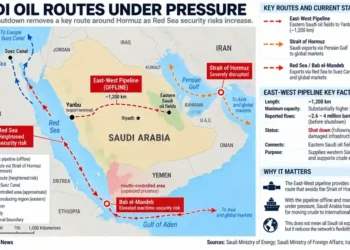
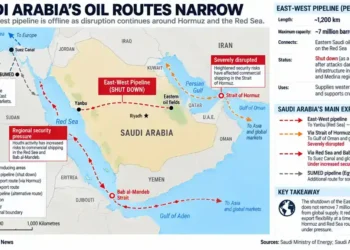
Oil prices rose for a second consecutive day Tuesday after the United States renewed attacks on Iran and President Donald Trump announced a new blockade in the Strait of Hormuz, a strategic shipping route that handles roughly one-fifth of global oil supplies.
Brent crude, the international oil benchmark, climbed 4.6% to $87.13 per barrel after both the United States and Iran said the Strait of Hormuz remained under their control.
Gasoline prices have also increased by roughly six cents per gallon over the past week, reaching a nationwide average of $3.86 per gallon.
Bostjancic cautioned that future inflation trends could depend heavily on geopolitical developments.
“Today’s number is a very good reading, but so much is going to depend on what happens in the Middle East,” she said.
Inflation outlook remains mixed
Federal Reserve officials have also identified growing investment in artificial intelligence infrastructure as a potential source of future inflation, particularly through rising demand for semiconductors and electricity. Higher chip costs have already prompted companies including Apple, Microsoft and Dell to announce price increases for some consumer electronics.
Fed Governor Christopher Waller said Monday he remains concerned about underlying inflation, noting that the Fed’s preferred measure of core inflation had risen from 3% in December to 3.4% in May.
“If we get another hot reading on core inflation this week, then the (Fed) will need to consider tightening monetary policy in the near term,” Waller said during a speech in New York.
By contrast, John Williams, president of the Federal Reserve Bank of New York, said last week that if monthly core inflation remains near 0.2% for the rest of the year, the central bank could avoid additional rate increases. June’s inflation report broadly aligns with that outlook.
Other indicators continue to send mixed signals. The Federal Reserve Bank of New York reported last week that nearly half of businesses in its regional survey that have paid tariffs still expect to raise prices further.
Separately, Walmart announced price reductions on thousands of products, including groceries, clothing, toys and household items. President Donald Trump praised the retailer’s decision on social media, although the company did not attribute the price cuts to government policy.
Reporting Credit: This report is based on reporting by The Associated Press.
Article Topics:U.S. Inflation | Federal Reserve | Consumer Prices | Interest Rates | Gas Prices | Economy | Monetary Policy | Labor Department