The United States and Iran exchanged fresh military strikes over the weekend, sharply escalating tensions and testing already fragile efforts to negotiate an end to months of conflict in the Middle East.
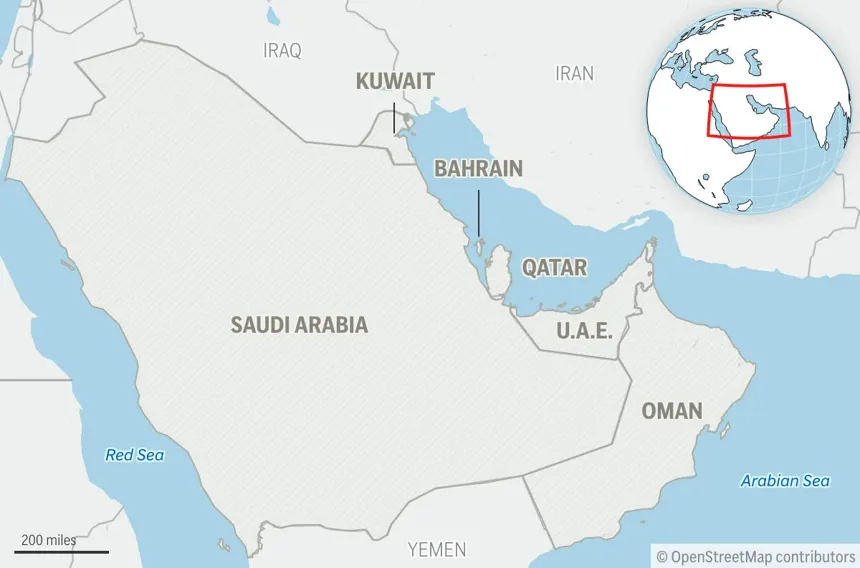
The U.S. military said it carried out strikes against Iranian radar installations, drone control facilities and air defense systems after Iran shot down an American military drone operating over international waters. Iran later responded with missile and drone launches toward locations hosting U.S. troops in Kuwait, prompting American and Kuwaiti air defenses to intercept the incoming projectiles.
According to U.S. Central Command, no American personnel were injured in either the Iranian attack or the subsequent defensive operations. Kuwait also reported no immediate casualties from the incoming fire.

Retaliatory Strikes Intensify Regional Tensions
U.S. officials described the strikes on Iranian targets as a direct response to the downing of an American MQ-1 drone. Military statements said fighter aircraft destroyed radar systems, a ground control station and drones that officials believed posed threats to maritime traffic in the region.
Iran’s Revolutionary Guard acknowledged carrying out a retaliatory operation following the U.S. attacks. Iranian state media reported that Tehran viewed the American strikes as aggression and framed its response as a defensive action.
The exchange marked one of the most significant confrontations between the two countries since a ceasefire framework was announced earlier this year. Despite diplomatic contacts continuing behind the scenes, both sides have repeatedly accused each other of violating understandings intended to reduce hostilities.
Kuwait Drawn Into Expanding Conflict
Kuwait became an unexpected focal point after missiles and drones were launched toward areas housing American forces.
Military officials said U.S. forces intercepted two ballistic missiles headed toward bases used by American troops, while Kuwaiti air defenses also engaged incoming threats. Authorities in Kuwait condemned the attack and continued monitoring the security situation.
■ Related News



The incident raised concerns among Gulf states about the possibility of a broader regional confrontation. Previous Iranian attacks targeting facilities linked to the United States in the Gulf have drawn strong reactions from neighboring countries worried about spillover effects on regional security.
Ceasefire and Negotiations Under Pressure
The latest exchange comes as diplomatic efforts aimed at ending the conflict remain uncertain.
Iranian officials have signaled dissatisfaction with ongoing negotiations and warned that developments elsewhere in the region, particularly in Lebanon, could affect future talks. Reports indicated Tehran may reconsider its participation in indirect discussions with Washington if military pressure continues.
Meanwhile, U.S. President Donald Trump indicated that negotiations had stalled, expressing skepticism about the pace of progress while maintaining that military forces would continue protecting American interests in the region.
Global Economic Concerns Grow
Beyond the immediate military confrontation, the renewed hostilities have increased concerns about shipping and energy markets.
The Strait of Hormuz, one of the world’s most important maritime trade routes, has already experienced significant disruption during the conflict. Analysts and officials have warned that any prolonged escalation could affect global oil supplies, shipping traffic and fertilizer exports moving through the Gulf.
Financial markets have reacted cautiously to the renewed instability, with energy prices showing signs of volatility as traders assess the risk of further military action.
Uncertain Path Forward
While both Washington and Tehran continue to publicly support diplomatic channels, the latest military exchanges underscore the fragility of efforts to stabilize the region.
The strikes and counterstrikes demonstrated how quickly negotiations can be overshadowed by events on the ground. With missile attacks, drone operations and regional conflicts increasingly interconnected, officials have not publicly indicated how soon a broader settlement might be reached.
For now, the risk of further escalation remains high as military forces across the Gulf maintain heightened readiness and diplomatic efforts struggle to regain momentum.