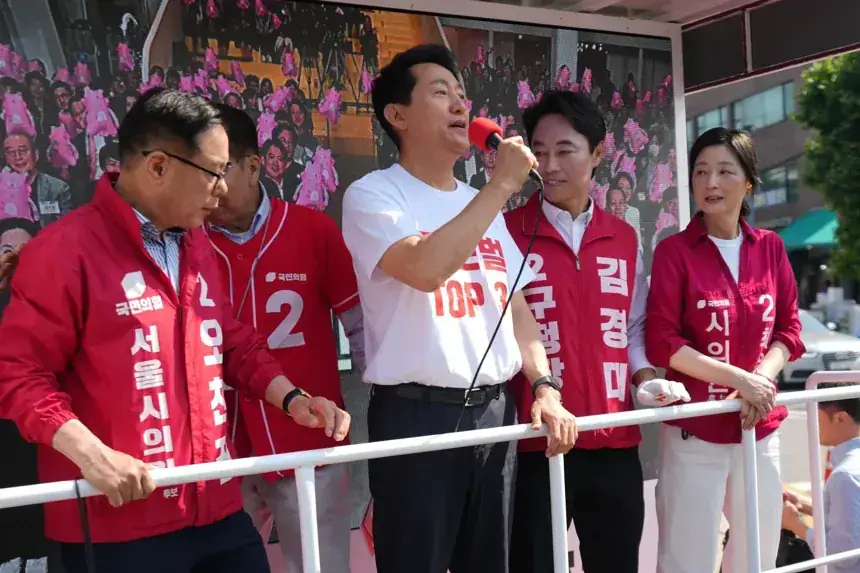
SEOUL, South Korea — South Koreans headed to the polls on Wednesday in nationwide local elections widely viewed as a significant test of public support for President Lee Jae Myung’s administration after its first year in office.
The vote covers mayoral and provincial governor races across 16 cities and provinces, along with several parliamentary by-elections. The elections represent the first major nationwide electoral test since Lee’s victory in the 2025 presidential election and are being closely watched for signs of the political direction of Asia’s fourth-largest economy.
Opinion surveys cited by the Associated Press suggested that Lee’s ruling Democratic Party entered the election in a favorable position against the conservative People Power Party, which has struggled to recover from the political fallout surrounding former President Yoon Suk Yeol.

Election Seen as a Measure of Political Strength
The local contests are widely regarded as a referendum on Lee’s first year in office. Strong results for the Democratic Party, particularly in major urban centers such as Seoul, could reinforce the president’s political standing and strengthen his ability to pursue his domestic agenda.
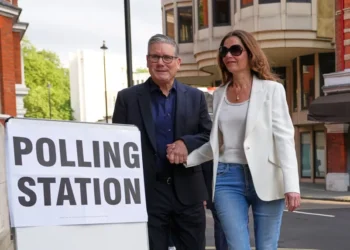
Voting began Wednesday morning, with millions of eligible voters participating in races that will determine local leadership across the country. Early turnout figures showed steady participation, reflecting the importance attached to the election by both supporters and opponents of the government.
Conservative Opposition Faces Critical Test
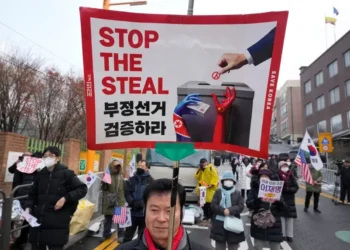
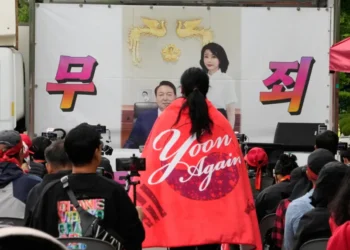
The election also represents a pivotal moment for the conservative opposition. The People Power Party has remained divided following the removal and subsequent conviction of former President Yoon, whose failed martial law declaration triggered a prolonged political crisis.
Several closely watched races could influence the future direction of conservative politics. Among them is the contest in Busan, where independent candidate Han Dong-hoon has emerged as a prominent figure after breaking with the People Power Party. A strong showing by Han could contribute to broader efforts to reorganize the conservative political landscape.
Broader Implications for South Korean Politics
While the elections are expected to shape political calculations ahead of future national contests, observers also view them as an indicator of how voters assess the government’s efforts to restore stability following a period of political turmoil.
■ Related News

Lee’s administration has promoted what it describes as a pragmatic approach to governance and foreign policy. Regardless of the local election outcome, no immediate changes to the government’s broader diplomatic direction are expected.
Final results were expected after polls closed, with outcomes likely to influence both the governing party’s momentum and the opposition’s strategy as South Korea enters the second year of Lee’s presidency.