The United States has unveiled its largest-ever package of weapons sales to Taiwan, a move that sharply elevates the strategic stakes between Washington and Beijing at a time of fragile regional stability.
The proposed arms deal, valued at more than $11 billion, would significantly expand Taiwan’s missile, artillery, and drone capabilities if approved by the U.S. Congress. According to a report by the Associated Press, the package includes advanced rocket systems, precision missiles, artillery platforms, and military software intended to strengthen Taiwan’s defensive posture.
While U.S. officials framed the deal as part of longstanding commitments to support Taiwan’s self-defense, Chinese authorities quickly denounced the move as a violation of diplomatic understandings and a threat to regional security.

The announcement reflects a widening strategic rivalry between the United States and China, where military posture around Taiwan increasingly shapes broader geopolitical calculations in the Indo-Pacific.
Washington Expands Taiwan’s Defensive Arsenal
The newly announced agreements cover eight separate arms sales packages designed to strengthen Taiwan’s ability to deter potential military action.
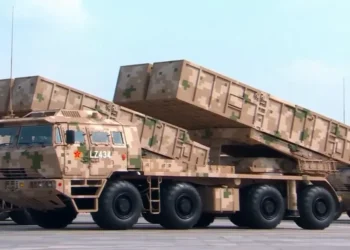
Among the most significant components are 82 High Mobility Artillery Rocket Systems (HIMARS) and 420 Army Tactical Missile Systems (ATACMS), equipment comparable to systems previously supplied by Washington to support Ukraine’s defense during the war with Russia.
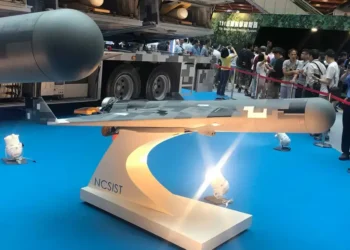
The package also includes 60 self-propelled howitzers and associated equipment valued at more than $4 billion, along with drones worth over $1 billion. Additional systems include Javelin and TOW anti-tank missiles, upgraded Harpoon missile refurbishment kits, helicopter spare parts, and advanced military software.
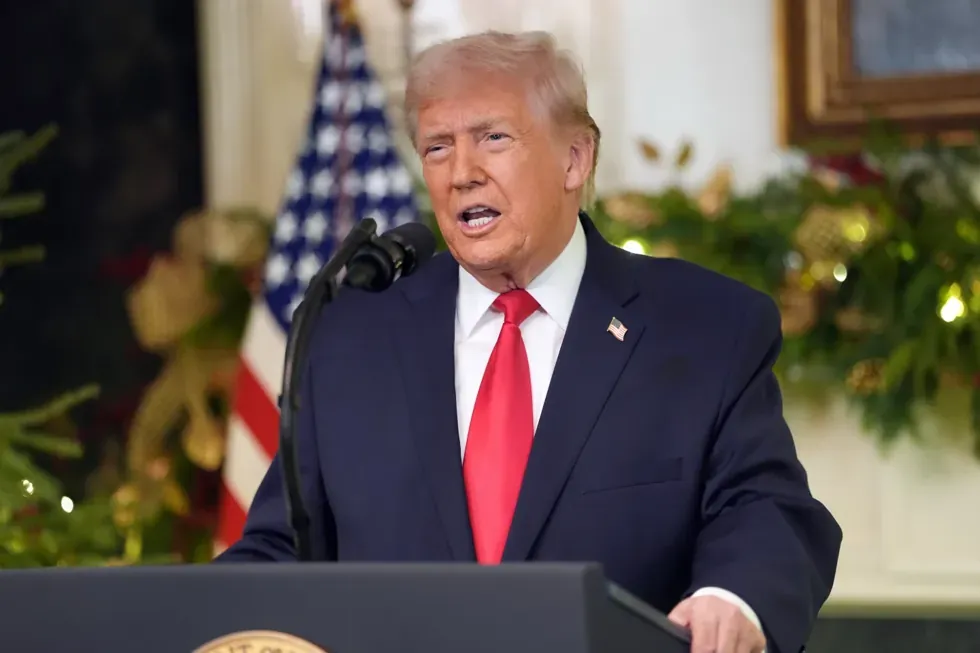
According to the U.S. Department of State, the sales are intended to help Taiwan “maintain a credible defensive capability” and support regional stability by reinforcing deterrence.
■ Related News

The scale of the proposed deal would surpass the roughly $8.4 billion in arms sales approved during the administration of Joe Biden, marking a notable escalation in U.S. security assistance to the island.
Beijing Warns of Regional Consequences
China’s government responded with immediate criticism, arguing that the sale undermines its sovereignty claims over Taiwan and risks pushing the region toward confrontation.
In remarks issued by the Ministry of Foreign Affairs of the People’s Republic of China, spokesperson Guo Jiakun said the arms transfers “gravely harm China’s sovereignty, security and territorial integrity.”
Beijing has long opposed U.S. military support for Taiwan, which it considers a breakaway province. Chinese officials warned that increased weapons transfers could encourage pro-independence forces on the island while intensifying military tensions in the Taiwan Strait.
China has also signaled that it views Washington’s expanding security relationship with Taipei as part of a broader strategy to contain Chinese influence in the region.
Taipei Frames Military Build-Up as Deterrence
Taiwanese officials welcomed the new package, emphasizing that the systems would enhance the island’s ability to defend itself amid rising military pressure from China.
Taiwan’s Defense Ministry said the weapons would strengthen “sufficient self-defense capabilities” and reinforce deterrence across the Taiwan Strait. Foreign Minister Lin Chia-lung similarly described U.S. support as vital to maintaining regional stability.
The arms deal aligns with Taiwan’s broader military modernization plans under President Lai Ching‑te. Taipei has pledged to increase defense spending to 3.3% of gross domestic product next year and aims to raise that figure to 5% by 2030.
Last month, Lai’s government unveiled a long-term defense initiative that includes a $40 billion special budget for new weapons systems and a proposed advanced air defense network known as the Taiwan Dome.
Strategic Rivalry Enters a New Phase
The timing of the arms package underscores how Taiwan remains central to the evolving geopolitical competition between the United States and China.
Under U.S. law, Washington maintains a longstanding obligation to assist Taiwan in maintaining the capacity for self-defense. However, Beijing views these measures as interference in what it considers a domestic issue.
Recent legislation in the U.S. Congress, including provisions within the National Defense Authorization Act, signals continued bipartisan support for strengthening Taiwan’s military readiness. Chinese diplomats have criticized the legislation as unfairly portraying China as an aggressor.
For policymakers across the region, the scale of the new weapons package highlights a broader strategic shift: deterrence in the Taiwan Strait is becoming increasingly militarized as both sides deepen preparations for potential confrontation.
Whether the latest U.S. arms sales reinforce stability or accelerate strategic competition will likely shape the security landscape of the Indo-Pacific in the years ahead.