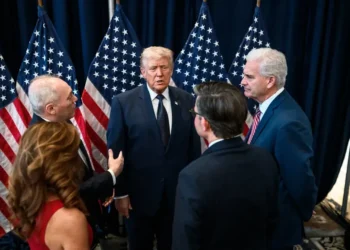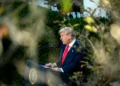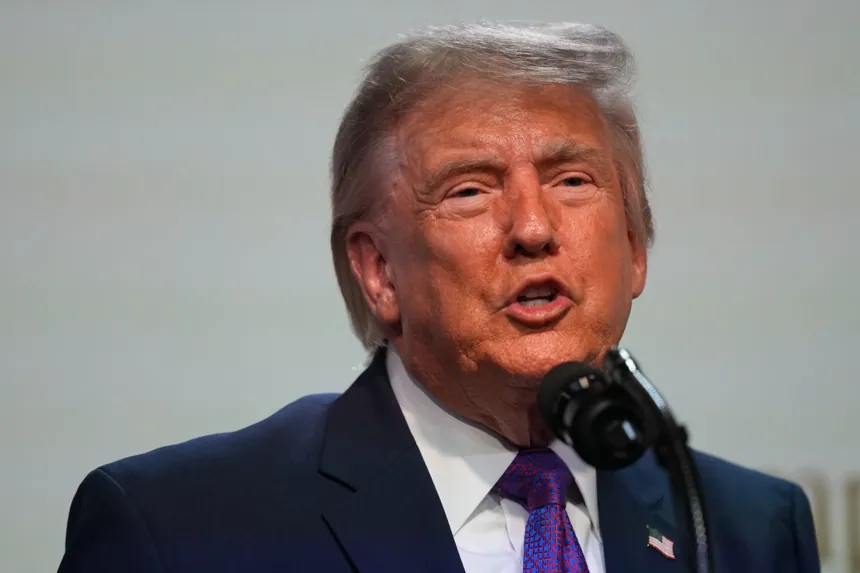
U.S. President Donald Trump said he has postponed a planned military strike against Iran that was reportedly scheduled for Tuesday after Gulf allies urged Washington to allow more time for negotiations aimed at preventing a wider regional conflict. (AP News)
Trump announced the decision Monday, stating that “serious negotiations” were underway and suggesting there was still a chance to avoid further military escalation with Tehran. According to U.S. and regional reports, leaders from Qatar, Saudi Arabia, and the United Arab Emirates appealed directly to Washington to delay any strike while diplomatic talks continue.
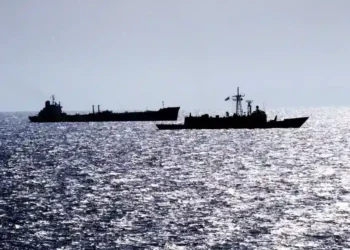
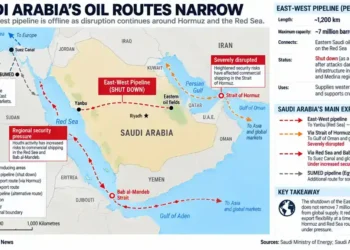
The development comes amid heightened tensions across the Middle East following weeks of confrontations involving U.S., Israeli, and Iranian-linked military activity around the Persian Gulf and the Strait of Hormuz.

Gulf States Push to Avoid Wider War
Trump said the planned operation involved “a very major attack” but indicated he was willing to suspend military action temporarily if negotiations produced meaningful progress. He warned, however, that U.S. forces remain prepared to act if diplomacy collapses.
Regional governments have become increasingly concerned that renewed fighting between Washington and Tehran could destabilize energy markets and threaten critical shipping routes through the Strait of Hormuz, one of the world’s most important oil transit corridors. Analysts noted that Gulf states are seeking to avoid becoming direct targets in any broader confrontation.
Oil prices fell after Trump’s announcement, reflecting reduced fears of an immediate military escalation. Reuters reported that global financial markets reacted positively to signs that negotiations may continue instead of shifting toward open conflict.
Nuclear Talks Remain Fragile
The diplomatic push follows reports that Iran recently presented revised proposals involving restrictions on parts of its nuclear program and possible phased reopening of the Strait of Hormuz in exchange for sanctions relief. However, major disagreements reportedly remain unresolved over uranium enrichment, missile programs, and regional security guarantees.
Trump has repeatedly warned Iran in recent weeks that military action could resume if Tehran fails to meet U.S. conditions tied to nuclear negotiations and maritime security. Over the weekend, he publicly declared that “the clock is ticking” for Iranian leaders to reach a deal.


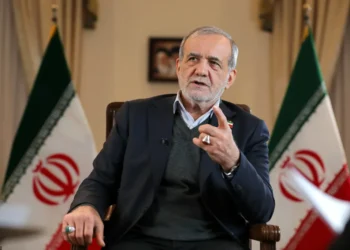
Iranian state media portrayed the delay as evidence that Washington was reluctant to enter a broader war after months of military pressure and regional instability. Iranian officials have not formally confirmed details of the latest diplomatic exchanges.
Regional and Global Stakes Increase
The crisis has intensified international concern over the possibility of a prolonged confrontation involving Iran, Israel, and U.S. military forces stationed across the Middle East. Earlier clashes involving missile attacks, drone strikes, and maritime disruptions had already triggered fears of a wider regional war.
Security experts say Gulf governments are balancing support for U.S. regional security efforts with fears that direct conflict could severely damage economic stability, energy exports, and domestic infrastructure across the region.
Diplomatic efforts involving Gulf states, Pakistan, and other mediators are expected to continue in the coming days as negotiators attempt to preserve a fragile ceasefire framework while preventing renewed military operations.