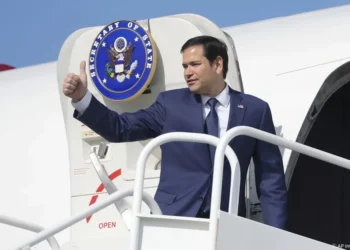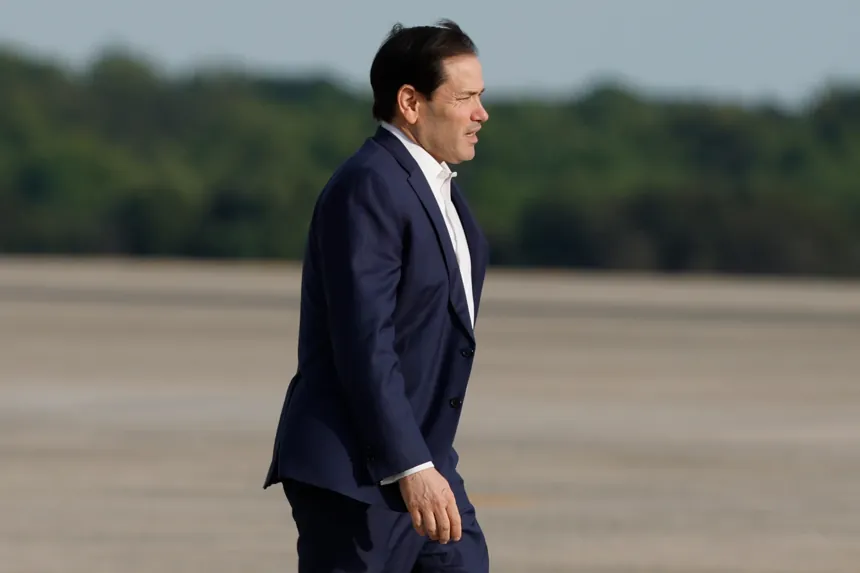
U.S. Secretary of State Marco Rubio is heading to a NATO foreign ministers meeting in Sweden this week as European allies grow increasingly uneasy over President Donald Trump’s commitment to the alliance, planned reductions of American troop deployments in Europe, and the broader geopolitical consequences of the Iran conflict.
The gathering in Helsingborg comes at a pivotal moment for the alliance, with NATO governments seeking reassurance that Washington remains committed to European security despite recent policy shifts and growing pressure for Europe to assume greater defense responsibilities. According to U.S. and NATO officials, discussions are expected to focus on burden-sharing, military readiness, Arctic security, and the evolving Middle East crisis.
European Concerns Intensify
European diplomats have expressed concern following the Trump administration’s announcement that roughly 5,000 U.S. troops would be withdrawn from parts of Europe, alongside the cancellation of a planned deployment to Poland. Officials in several NATO member states fear the moves could weaken deterrence along the alliance’s eastern flank at a time of heightened tensions with Russia.

Additional unease has emerged over reports that Washington may reduce the number of forces assigned to NATO’s rapid-response force structure during major crises. Analysts said the changes reflect a broader U.S. strategic shift toward prioritizing competition with China while expecting European allies to shoulder more conventional defense responsibilities.
Despite the concerns, NATO military officials have publicly sought to calm fears about alliance readiness. NATO Supreme Allied Commander Europe Gen. Alex Grynkewich said no further immediate troop drawdowns are expected beyond those already announced.
Iran Conflict Adds Pressure
The NATO meeting is also unfolding against the backdrop of continued instability linked to the Iran conflict and rising energy market volatility. European governments have become increasingly cautious about being drawn into broader regional escalation after divisions emerged between Washington and several NATO allies over support for U.S. military actions in the Middle East.
Recent diplomatic tensions intensified after Rubio criticized some European governments for limiting support during the Iran crisis, comments that drew pushback from several European leaders advocating de-escalation and diplomatic engagement instead of military expansion.
International analysts noted that the Iran conflict has exposed growing differences inside NATO over how far the alliance should align itself with U.S. strategic priorities outside Europe. Some member states have emphasized that NATO’s core mission remains collective defense rather than participation in external military operations.
■ Related News


Arctic and Indo-Pacific Strategy Expands
Rubio’s Sweden visit is also expected to include talks with ministers from Arctic nations, reflecting Washington’s increasing focus on Arctic trade routes, security competition, and access to strategic resources. The discussions come amid continued geopolitical attention surrounding Greenland and broader Arctic influence.
Following the NATO meeting, Rubio is scheduled to travel to India for talks aimed at strengthening cooperation on trade, defense, and Indo-Pacific security. Analysts said the sequence of visits highlights Washington’s attempt to balance its European commitments while deepening partnerships in Asia as strategic competition with China intensifies.
Diplomatic observers said the Sweden meeting may become an important test of whether NATO can maintain internal unity amid changing U.S. foreign policy priorities, military realignments, and expanding geopolitical crises beyond Europe.