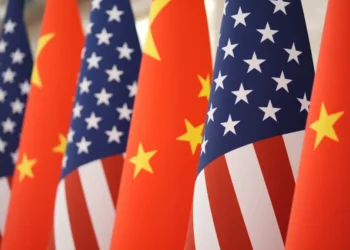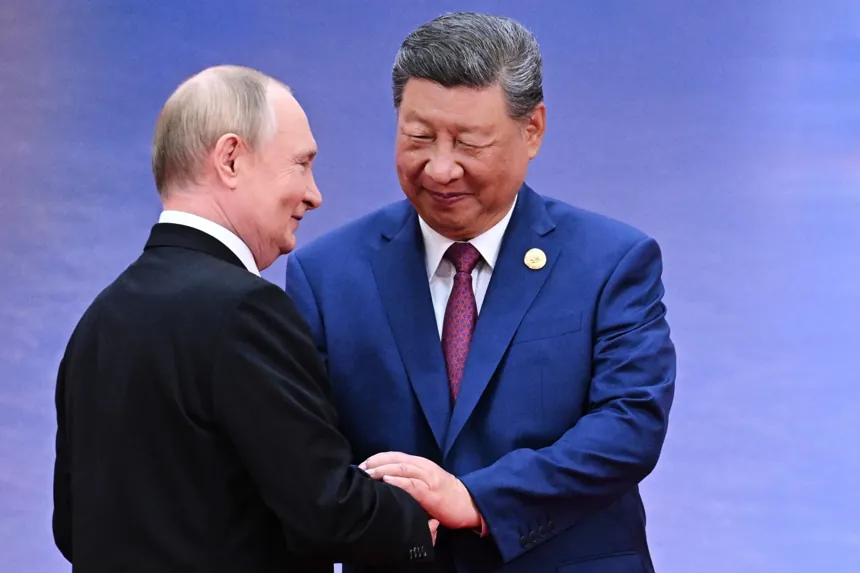
Russian President Vladimir Putin arrived in Beijing this week for high-level talks with Chinese leader Xi Jinping, as China attempts to reinforce its strategic partnership with Moscow while stabilizing increasingly complex relations with the United States following President Donald Trump’s recent summit in China.
The two-day visit comes at a sensitive geopolitical moment, with Beijing seeking to maintain economic and diplomatic balance between its closest strategic partner and its largest global rival. According to Russian and Chinese officials, discussions are expected to focus on trade cooperation, energy security, and broader international issues, including regional conflicts and global economic stability.
Strategic Diplomacy Intensifies
Chinese authorities have framed Putin’s visit as part of a long-term bilateral relationship rather than a direct response to Washington. However, analysts said the timing — only days after Trump’s Beijing meetings — reflects China’s effort to project itself as a central diplomatic power capable of engaging multiple global rivals simultaneously.

Government statements from both countries highlighted the importance of the China-Russia strategic partnership, which marks the 25th anniversary of the Sino-Russian Treaty of Friendship this year. Kremlin officials said the talks would address “key international and regional issues” alongside expanding economic cooperation.
Political analysts noted that Beijing’s approach appears designed to avoid choosing between economic stability with Washington and strategic alignment with Moscow. Wang Zichen of the Beijing-based Center for China & Globalization said China sees both relationships as essential to its broader international positioning.
Energy and Trade Remain Central
Energy cooperation is expected to remain a major focus of the summit. China has become Russia’s largest trading partner since Western sanctions intensified following the Ukraine conflict, with Moscow increasingly dependent on Chinese markets for oil and gas exports.
International reports indicate the two governments are expected to revisit discussions surrounding the proposed Power of Siberia 2 gas pipeline project, although negotiations over pricing and supply terms remain unresolved. Analysts said Beijing continues to diversify its energy imports while maintaining leverage in negotiations with Moscow.
Russian officials recently stated that oil exports to China have increased significantly during the past year, reinforcing the growing economic interdependence between the two countries despite Western sanctions pressure.


Global Power Dynamics Under Scrutiny
Putin’s visit is being closely monitored internationally as tensions persist over the war in Ukraine, Taiwan, and broader US-China competition. Western governments have repeatedly urged Beijing to use its influence over Moscow to push for a negotiated settlement in Ukraine, although China has maintained that it remains neutral in the conflict.
At the same time, Beijing has continued to strengthen diplomatic and economic coordination with Russia, drawing criticism from several Western nations. International observers said China’s leadership appears focused on presenting itself as a stabilizing global actor amid growing geopolitical fragmentation.
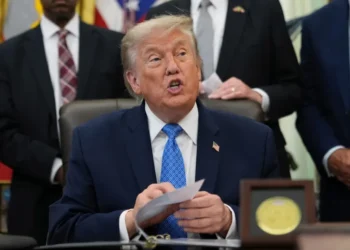
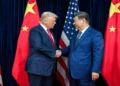
The diplomatic sequence involving Trump and Putin visiting Beijing within days of each other has further highlighted China’s expanding role in shaping global strategic relationships. Analysts said the parallel engagements underscore Beijing’s efforts to maintain influence across competing international power centers while protecting its economic interests.
According to international reports, both leaders are also expected to issue joint statements reaffirming long-term cooperation on regional security and global governance issues before Putin concludes his visit.