Britain’s diplomatic leadership is facing renewed scrutiny after newly released government documents revealed that officials warned Prime Minister Keir Starmer about potential “reputational risk” linked to Peter Mandelson before he was appointed ambassador to the United States.
The disclosure has triggered fresh political controversy in the United Kingdom, raising questions about oversight in senior diplomatic appointments and the handling of concerns related to the late financier Jeffrey Epstein. The issue has gained international attention because the role represents one of Britain’s most important foreign postings and was intended to strengthen ties with the administration of U.S. President Donald Trump.
The documents, released Wednesday following parliamentary pressure, show that civil servants highlighted Mandelson’s long-standing relationship with Epstein during a vetting process before his appointment.

Diplomatic Appointment Raises Governance Questions
The files indicate that a due-diligence report delivered to Starmer in December 2024 outlined concerns about Mandelson’s past association with Epstein and its potential reputational implications for the British government.
According to the report, Mandelson’s relationship with Epstein stretched from at least 2002 through 2019. The document also noted that Mandelson had facilitated a meeting between Epstein and former British Prime Minister Tony Blair in 2002.
Officials further recorded that Mandelson reportedly stayed at Epstein’s residence in 2009 while the financier was serving a jail sentence related to sexual offenses involving a minor.
Despite these warnings, the government proceeded with the appointment, a move critics say illustrates weaknesses in the screening process for senior diplomatic roles.
Political Pressure Intensifies in Westminster
The revelations have fueled criticism from opposition parties and prompted debate inside Parliament about accountability in government appointments.



Cabinet minister Darren Jones told lawmakers that the due-diligence process had not revealed the full scope of Mandelson’s connection to Epstein. He said Mandelson had misrepresented aspects of their relationship during the vetting stage.
“Peter Mandelson should never have been afforded the privilege of representing this country,” Jones told members of the House of Commons, adding that the prime minister regretted accepting Mandelson’s assurances.
Opposition figures have argued that the warnings contained in the files should have prompted greater caution. Critics from both major opposition parties have said the documents raise concerns about the prime minister’s judgment in approving the appointment.
Strategic Post Becomes Political Liability
The ambassadorial post in Washington carries particular strategic significance because it serves as the primary diplomatic channel between the United Kingdom and the United States.
Mandelson was dismissed from the role after nine months when earlier disclosures showed he had remained in contact with Epstein following the financier’s 2008 conviction.
Subsequent document releases by the United States Department of Justice in January added further detail to the relationship, prompting renewed scrutiny in London and intensifying calls from some political figures for Starmer to step down.
Although Starmer has not been accused of any wrongdoing and has never met Epstein, the controversy has weakened his political standing, analysts say, as critics question how the warnings were weighed in the appointment process.
Investigations and Parliamentary Oversight Continue
The latest batch of documents — part of a larger archive being reviewed by the Intelligence and Security Committee of Parliament — were released after lawmakers demanded transparency regarding the decision to appoint Mandelson.
Some files remain withheld at the request of investigators to avoid interfering with an ongoing criminal inquiry.
Police are examining allegations that Mandelson may have shared sensitive government information with Epstein while serving as Britain’s business secretary during the aftermath of the global financial crisis.
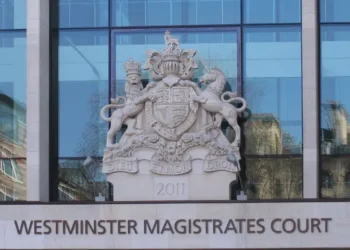
Mandelson, 72, was arrested in London in February on suspicion of misconduct in public office and later released without bail conditions while the investigation continues. He has denied wrongdoing and has not been charged with any offense.
The former diplomat has resigned from the House of Lords and lost his ambassadorial salary following his dismissal.
Political Fallout Could Extend Beyond the Appointment
The documents also revealed internal concerns about the speed of the appointment process. Britain’s national security adviser, Jonathan Powell, later told the prime minister’s legal team that he had warned about potential reputational risks and found the process “weirdly rushed.”
Analysts say the episode could have longer-term implications for the British government’s credibility in diplomatic appointments and governance standards.
While Starmer survived the immediate political crisis earlier this year, the ongoing release of documents continues to revive debate over transparency and accountability within the government.
As parliamentary reviews and police investigations proceed, the controversy is likely to remain a sensitive issue for the British government — particularly at a time when maintaining stable transatlantic relations is viewed as a strategic priority.