Hungary has ordered authorities to hold roughly $82 million in Ukrainian cash and gold seized last week, intensifying a diplomatic dispute between Budapest and Kyiv as questions grow over the legality and purpose of the shipment.
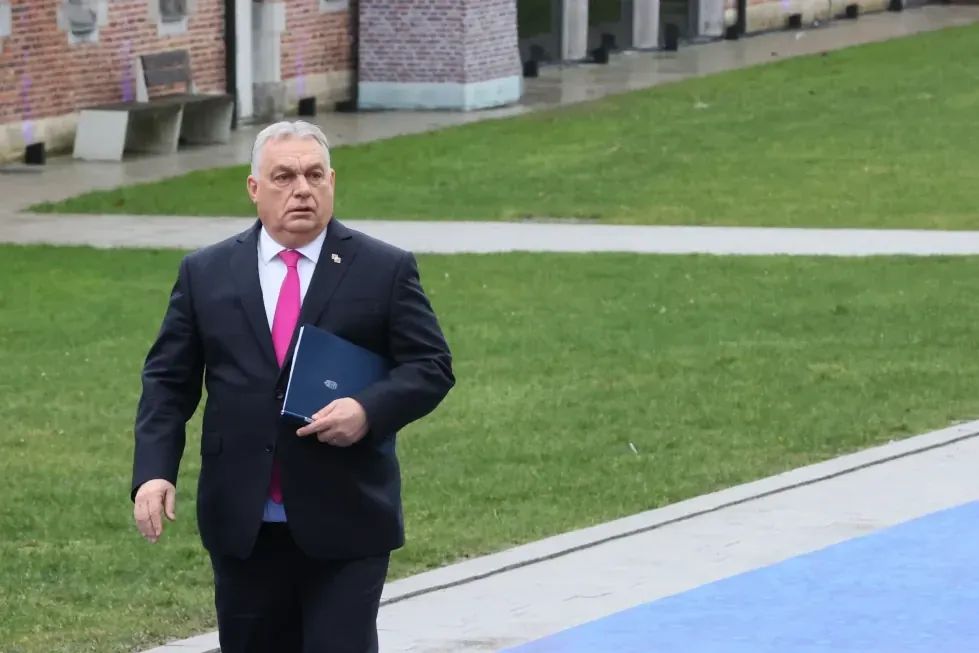
Prime Minister Viktor Orbán directed Hungary’s tax and customs authority to retain the assets for up to 60 days while investigators determine their origin and intended destination, according to a decree issued late Monday. The shipment, intercepted while transiting Hungary by road, included about $40 million, €35 million in cash and 9 kilograms of gold.
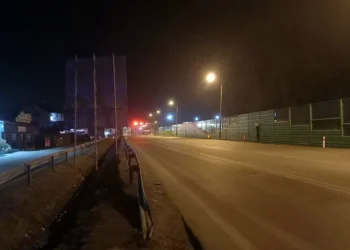
The assets were being transported by employees of the Ukrainian state-owned bank Oschadbank, who were traveling in armored vehicles from Austria toward Ukraine when Hungarian authorities seized the convoy.

Diplomatic Pressure Builds
Officials in Kyiv quickly condemned the seizure, accusing the Hungarian government of acting unlawfully and worsening already strained relations between the two countries.
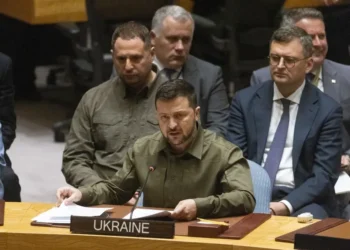
Andrii Sybiha, Ukraine’s foreign minister, said in a statement on social media that Budapest was attempting to legitimize an illegal confiscation. He described the move as evidence that Hungary’s actions “lack any legal grounds,” accusing the government of escalating what he called a pattern of lawless conduct.
Hungarian authorities have said they suspect possible money laundering, prompting the National Tax and Customs Administration to investigate the source and purpose of the funds.
Video released by Hungary’s Counter Terrorism Center showed masked officers detaining seven Oschadbank employees traveling in the vehicles. The bank staff were held for more than 24 hours before being expelled from Hungary late Friday. Officials have not clarified whether the individuals face any formal accusations.
Regional Stability Tested
The dispute comes against the backdrop of Hungary’s increasingly tense relationship with Ukraine since the start of the war following Russia’s invasion of Ukraine.



Budapest has often taken positions that diverge from many of its European partners on policies related to Kyiv. The Hungarian government has repeatedly criticized military aid and sanctions policies tied to the conflict, while maintaining a cautious diplomatic approach toward Moscow.
Hungary has also been operating under a government-declared “state of danger” linked to the war in neighboring Ukraine. The emergency measure allows Orbán’s administration to govern through decrees without parliamentary approval on individual actions.
Analysts cited by international outlets including The Associated Press and Reuters say the asset seizure adds another layer of friction to relations between Budapest and Kyiv, potentially complicating regional diplomacy at a time of heightened security concerns in Eastern Europe.
Election Politics Add Pressure
The controversy is unfolding just weeks before Hungary heads to parliamentary elections, where Orbán faces one of the most serious political challenges of his long tenure.
The Hungarian leader has intensified criticism of Ukraine in recent campaign messaging while alleging, without presenting evidence, that opposition forces may receive financial backing from Kyiv.
Orbán’s decree instructs investigators to determine whether the seized cash shipments could have links to criminal groups, terrorist networks, or political organizations operating in Hungary. The language has fueled speculation that authorities could attempt to tie the case to opposition figures, including Orbán’s main challenger Péter Magyar and his Tisza Party.
Polling in recent weeks has suggested a tightening political race ahead of the April vote, raising the stakes for both the government and its opponents.
Strategic Stakes Rise in EU Debate
The dispute also comes as Hungary continues to oppose deeper European support for Ukraine.
Hungarian lawmakers recently approved a parliamentary resolution allowing the government to block initiatives backing Ukraine’s path toward membership in the European Union and to reject further military or financial assistance proposals.
Diplomats say the standoff over the seized shipment could become another flashpoint in the already complex relationship between Budapest, Kyiv and European institutions as the region navigates the geopolitical consequences of the war.
While Hungarian authorities proceed with their investigation, the fate of the $82 million shipment — and the broader diplomatic fallout — may depend on whether investigators uncover evidence supporting Budapest’s claims or validate Kyiv’s assertion that the transfer was a routine movement of state bank assets.