Journos News - Breaking News, World News, Top Stories, Todays Headlines and Flash Reports
Tuesday, August 18, 2026
  • Login
  • Home
  • World
    • Africa
    • Americas
    • Asia
    • Europe
    • Middle East
    • Oceania
  • Politics
  • Business
  • Technology
  • Health
  • Science
  • Sports
  • Entertainment
  • Culture
No Result
View All Result
  • Home
  • World
    • Africa
    • Americas
    • Asia
    • Europe
    • Middle East
    • Oceania
  • Politics
  • Business
  • Technology
  • Health
  • Science
  • Sports
  • Entertainment
  • Culture
No Result
View All Result
Journos News - Breaking News, World News, Top Stories, Todays Headlines and Flash Reports
No Result
View All Result
Home Health

Why Scratching Bug Bites Makes Them Worse, According to New Research

Scientists uncover how scratching intensifies inflammation despite offering temporary relief from itching.

The Daily Desk by The Daily Desk
July 3, 2026
in Health, Medical Research & Medicine
0
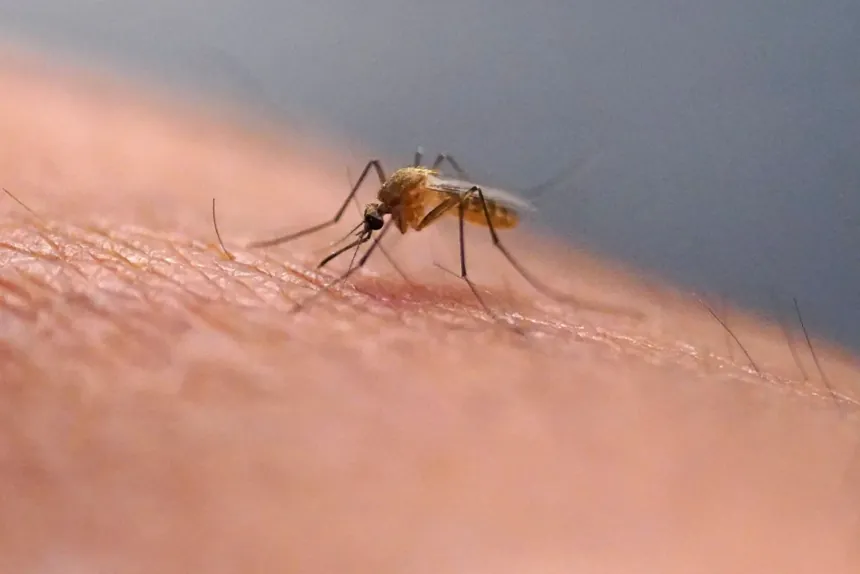
Person scratching a mosquito bite on their arm outdoors - AP Photo/Rick Bowmer, File

Researchers explain why scratching bug bites worsens inflammation and prolongs itching. - AP Photo/Rick Bowmer, File

WASHINGTON – Many people instinctively scratch a mosquito bite, poison ivy rash, or other itchy skin irritation for immediate relief. However, new research helps explain why that momentary satisfaction often leads to increased swelling, prolonged itching, and greater inflammation.

Researchers studying allergic skin reactions have identified the biological processes that fuel the so-called “itch-scratch cycle,” providing new insight into why healthcare professionals have long advised people to resist scratching irritated skin whenever possible.

The findings also suggest that while scratching may have evolved to offer some protection against certain germs, its harmful effects generally outweigh any potential benefits.

Mouse Study Reveals How Scratching Intensifies Inflammation

Dr. Daniel Kaplan, a dermatologist at the University of Pittsburgh, led research examining allergic contact dermatitis, a common skin reaction triggered by irritants such as poison ivy or nickel found in jewelry.

Kaplan’s team applied a rash-inducing irritant to the ears of laboratory mice and observed how their immune systems responded. Mice that scratched experienced greater swelling as inflammatory immune cells accumulated at the affected site.

To determine whether scratching itself caused the increased inflammation, researchers repeated the experiment using protective collars similar to veterinary “cones of shame,” preventing the mice from scratching.

The results showed that mice unable to scratch developed significantly less swelling and fewer inflammatory immune cells, indicating that scratching directly worsened the skin reaction.

Kaplan said the findings mirror what many people experience after insect bites.

■ Related News
Aid workers assist earthquake survivors outside damaged hospitals in Venezuela - AP Photo/Matias Delacroix

Venezuela’s Healthcare System Near Breaking Point After Earthquakes, Aid Agencies Warn

July 1, 2026
Paris mortuary overwhelmed during France's record-breaking summer heat wave - AP Photo/Christophe Ena, File

Heat Wave Death Toll Strains Paris Mortuaries as France Faces Mounting Human Cost

June 29, 2026
Construction site of proposed Ebola quarantine facility in Kenya - AP Photo/Andrew Kasuku

Kenya Halts Construction of US-Backed Ebola Facility After Court Challenge

June 24, 2026
Residents facing severe weather prepare emergency plans to reduce stress - AP Photo/Gerald Herbert

Extreme Weather Anxiety on the Rise as Experts Urge Preparedness and Support

June 15, 2026

A mosquito bite that might normally stop itching within several minutes can remain irritated for days if repeatedly scratched, as the mechanical action continues to trigger inflammation.

Immune Cells Play a Dual Role

The research focused on mast cells, one of the immune system’s first lines of defense.

These cells release chemicals that help protect the body from harmful substances and invading microbes. They also produce histamine, a compound responsible for many allergic reactions and the sensation of itching.

While allergens are known to activate mast cells, Kaplan’s team found that scratching introduces another pathway.

As scratching becomes more vigorous, it activates pain-sensing nerve cells that release a chemical messenger known as substance P. Previous findings from the research group showed that substance P stimulates mast cells through a different biological pathway than allergens, amplifying the inflammatory response.

This dual activation helps explain why scratching often causes bug bites and rashes to become redder, itchier, and more swollen.

Why Scratching Feels Good

Although scratching can worsen skin irritation, it often provides immediate relief, raising questions about why such behavior has persisted throughout evolution.

Researchers note that many animals—including mammals and even fish—scratch, suggesting the behavior may serve an adaptive purpose.

One long-standing theory proposes that scratching helps remove parasites such as fleas or mites. Kaplan’s team also investigated whether scratching might improve the skin’s ability to fight bacteria.

In experiments involving mice infected with the common skin bacterium Staphylococcus aureus, animals that scratched had lower levels of the bacteria than those prevented from scratching.

Researchers said the additional inflammation or mast cell activity may have contributed to this reduction. However, Kaplan emphasized that the potential antimicrobial benefit does not outweigh the damage caused by repeated scratching.

He concluded that scratching remains harmful overall and should be avoided whenever possible.

Breaking the Itch-Scratch Cycle

Current treatments depend on the underlying cause of the itch, and researchers continue to search for more effective therapies.

For certain allergic reactions, antihistamines and other medications can reduce itch triggered by mast cells. Drug developers are also investigating experimental therapies known as MRGPRX2 blockers, which target the pathway linked to scratching-induced inflammation. Kaplan said improved understanding of this mechanism could eventually benefit patients with chronic skin conditions such as eczema.

For common summer irritations including mosquito bites, poison ivy, and mild contact dermatitis, dermatologists recommend over-the-counter anti-itch treatments such as hydrocortisone cream, calamine lotion, or oatmeal baths.

Kaplan also recommends menthol-containing creams, which temporarily create a cooling sensation that distracts the skin from itching long enough to help interrupt the itch-scratch cycle.

Tags: Bug Bites, Itching, Skin Health, Allergic Contact Dermatitis, Dermatology, Immune System, Mast Cells, Daniel Kaplan, University of Pittsburgh, Medical Research, Eczema, Mosquito Bites, Poison Ivy, Hydrocortisone Cream, Public Health


Tags: #AllergicReaction#Eczema#HealthCare#HealthNews#ImmuneSystem#Itching#MosquitoBites#science
The Daily Desk

The Daily Desk

The Daily Desk is a contributor at JournosNews.com covering politics, media, governance, and the evolving dynamics of public discourse. Stories published under this byline are produced in accordance with JournosNews' editorial standards, with an emphasis on verified reporting, accuracy, context, and impartiality.

Related Posts

Researcher reviewing breast cancer genomic testing results in laboratory - Credit: Getty Images

Genomic Test Could Help Millions of Breast Cancer Patients Avoid Chemotherapy

June 15, 2026
Person experiencing brain freeze after eating ice cream quickly - Credit: Getty Images

Why Brain Freeze Continues to Fascinate Scientists Beyond the Ice Cream Cone

June 15, 2026
ALS nerve cell damage affecting muscles and movement - AP Photo/Chris Pizzello, File

What Is ALS? Understanding the Disease That Killed Eric Dane

June 15, 2026
First responders search rubble after Pennsylvania nursing home explosion - Monica Herndon/The Philadelphia Inquirer via AP

Pennsylvania Nursing Home Blast Exposes Long-Term Care Infrastructure Vulnerability

May 13, 2026
Load More
Next Post
Capitol report examines fundraising for America's 250th anniversary celebrations. - AP Photo/Julia Demaree Nikhinson

House Democrats Allege Trump-Linked Fundraisers Diverted America 250 Donations to Rival Organization

Neil the elephant seal rests on a street in Tasmania. - Sam Volker Photography via AP

Australian Officials Urge Public to Give Viral Elephant Seal Neil More Space

JournosNews logo

Journos News delivers globally neutral, fact-based journalism that meets international media standards — clear, credible, and made for a connected world.

  • Categories
  • World News
  • Politics
  • Business & Markets
  • Technology
  • Health
  • Science
  • Sports
  • Arts & Culture
  • Resources
  • Editorial Standards
  • Submit a Story
  • Advertise with Us
  • Syndication & Partnerships
  • Site Map
  • Press & Media Kit
  • Editorial Team
  • Careers

Join thousands of readers receiving the latest updates, tips, and exclusive insights straight to their inbox. Never miss an important story again.

  • About Us
  • Editorial & Trust Center
  • Contact Us
  • Privacy Policy
  • Terms of Use & Copyright Notice

© JournosNews.com All rights reserved.

Welcome Back!

Login to your account below

Forgotten Password?

Retrieve your password

Please enter your username or email address to reset your password.

Log In
JournosNews

Independent Journalism.
Verified Facts.

You're about to read a professionally edited article from JournosNews.com.

Every article is produced in accordance with our editorial standards, emphasizing factual accuracy, transparent attribution, fairness, editorial independence, and meaningful context.

Editorial Standards
No Result
View All Result
  • Home
  • World
    • Africa
    • Americas
    • Asia
    • Europe
    • Middle East
    • Oceania
  • Politics
  • Business
  • Technology
  • Health
  • Science
  • Sports
  • Entertainment
  • Culture

© JournosNews.com All rights reserved.

This website uses cookies. By continuing to use this website you are giving consent to cookies being used. Visit our Privacy and Cookie Policy.