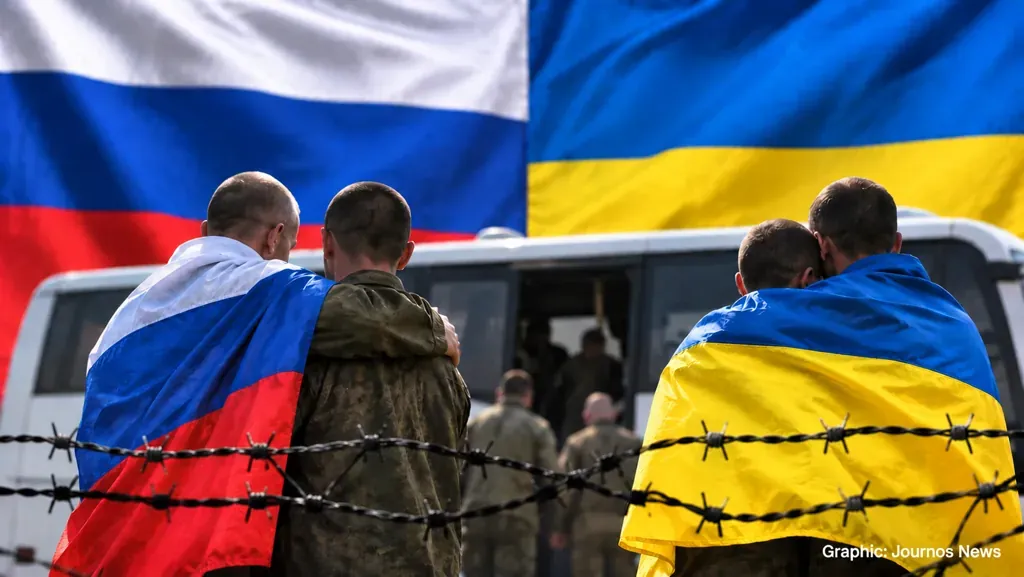
ABU DHABI, United Arab Emirates – Russia and Ukraine have agreed in principle to carry out a major prisoner-of-war exchange following two days of US-mediated negotiations in Abu Dhabi. The agreement offers a humanitarian development, although the talks made little progress towards ending the war.
The agreement was announced on Wednesday, November 11, after Russian and Ukrainian delegations completed their first direct negotiations in nine months. Both sides confirmed the proposed exchange, but the final number of prisoners and the arrangements for their release had yet to be determined.
US envoy Jared Kushner described the proposed exchange as potentially the largest humanitarian release of prisoners since Russia launched its full-scale invasion of Ukraine in February 2022.

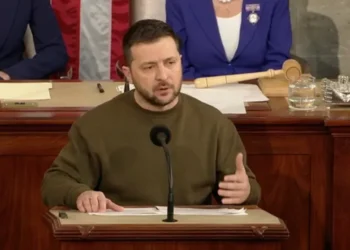
Ukrainian President Volodymyr Zelenskyy also welcomed the development. He said the agreement was expected to involve a significant number of people and confirmed on November 11 that Ukraine anticipated a large exchange.
Earlier discussions had considered exchanging 1,000 prisoners from each side, with the possibility of increasing the number to 1,500 each. However, these figures were proposals, not confirmed terms of the agreement.
Territorial Disagreements Remain Unresolved
Despite the prisoner agreement, negotiations made little progress on the main political and territorial disputes blocking a broader settlement.
Russia continues to demand that Ukraine surrender the remaining parts of the eastern Donbas region that Moscow does not control. Kyiv has rejected the demand, arguing that giving up Ukrainian territory would undermine the country’s sovereignty and leave it exposed to further Russian aggression.
The two sides also remain divided over postwar security guarantees, the possible deployment of security forces in Europe and the role European governments should play in negotiations.
■ Related News
Kushner acknowledged that Russia and Ukraine had little trust in each other. He described the territorial question as one of the most difficult issues facing negotiators.
Russian chief negotiator Vladimir Medinsky said the discussions had produced mutual understanding on some issues. However, he acknowledged that disagreements remained and further negotiations would be necessary.
Europe Seeks a Role in Future Negotiations
European officials and NATO representatives were present in Abu Dhabi for consultations but did not take part directly in the main negotiations involving Russia, Ukraine and the United States.
Moscow has opposed European participation, arguing that governments providing military assistance to Ukraine cannot be considered neutral parties.
Ukraine, however, has insisted that European governments must take part in decisions affecting the continent’s security. Zelenskyy said Europe should be represented at every stage of meaningful diplomatic negotiations.
Kushner said Washington wanted European partners to join the future negotiating process.
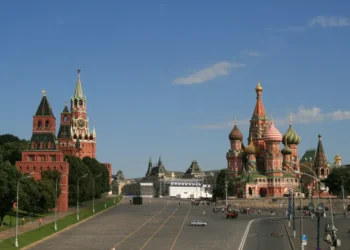
He and fellow US envoy Steve Witkoff were scheduled to travel to Moscow on November 12 to meet Russian President Vladimir Putin. They were then expected to continue to Dublin for discussions with Zelenskyy.
Fighting Continues Despite Diplomatic Efforts
The negotiations took place as Russian and Ukrainian forces continued attacks on military and civilian infrastructure.
Ukrainian officials reported Russian strikes against electricity facilities in central Ukraine and an attack on a market in the Odesa region that killed three people. They also reported casualties from attacks in other parts of the country.
In Russia, regional authorities said Ukrainian drone strikes caused a fire at the Ust-Luga port, a major facility for Russian oil exports. The attacks also injured workers.
Russia’s Defence Ministry said its air defences had intercepted hundreds of Ukrainian drones.
The continued attacks showed the gap between diplomatic discussions and conditions on the battlefield.
Prisoner Exchange Offers Limited Humanitarian Progress
Prisoner exchanges have remained one of the few areas where Russia and Ukraine have periodically reached practical agreements despite their wider political and military conflict.
The proposed Abu Dhabi exchange could reunite a substantial number of captured soldiers with their families. However, it does not resolve the territorial disputes, security concerns or disagreements over Ukraine’s future that continue to obstruct peace negotiations.
Zelenskyy said Ukraine remained committed to diplomatic efforts. He maintained that any settlement must protect the country’s sovereignty and provide credible security guarantees.
The proposed exchange therefore represents a significant humanitarian development, but the negotiations have yet to produce an agreement to end the war.
Primary Sources: Office of the President of Ukraine, “Volodymyr Zelenskyy and Gitanas Nausėda Discussed the Diplomatic Process, Assistance for Ukraine’s Energy Sector, and Ukraine’s EU Integration,” November 11, 2026; President Volodymyr Zelenskyy, remarks to journalists on the Abu Dhabi negotiations, November 10–11, 2026; Russian chief negotiator Vladimir Medinsky, remarks following the Abu Dhabi negotiations, November 11, 2026, broadcast by Russian state television. The final exchange list, confirmed prisoner numbers and implementation date had not been publicly established at the time of writing.