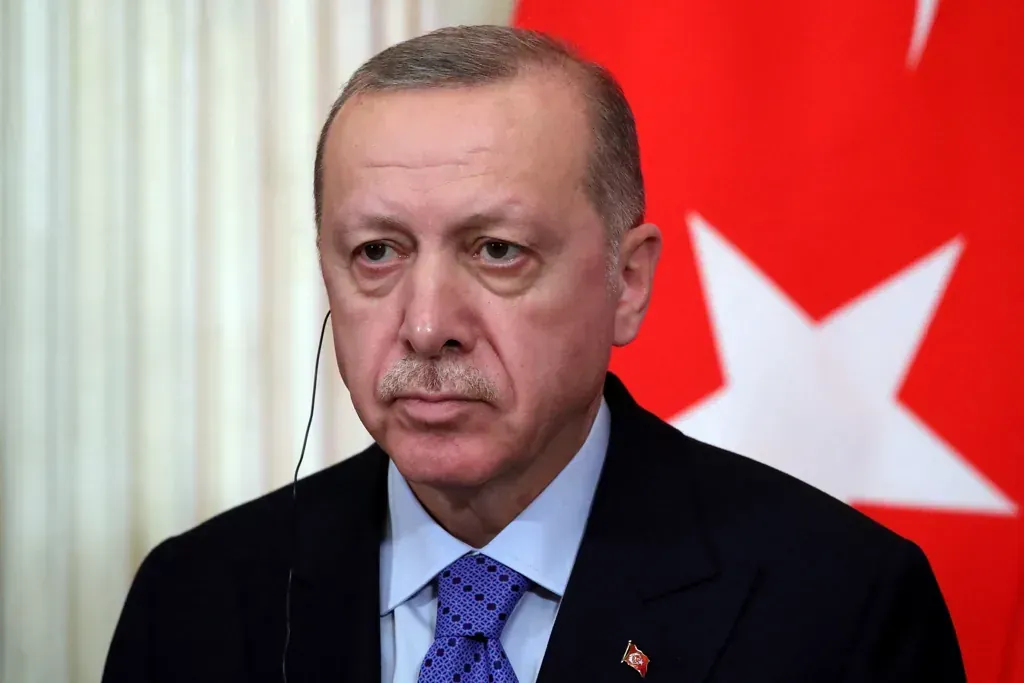
ANTALYA, Turkey – Turkish President Recep Tayyip Erdoğan described the environmental devastation in Gaza as both “genocide” and “ecocide” on Wednesday, November 11, urging the international community to recognise the long-term consequences of the war during his address to the COP31 Leaders’ Summit.
Speaking at the United Nations climate conference in Antalya, Erdoğan said decades-old olive trees had been cut down, soil and water had been contaminated, and cities had been reduced to extensive rubble. He argued that the destruction had damaged not only Palestinian communities but also the natural resources needed for their recovery.
Erdoğan also called on Israel to allow humanitarian assistance into Gaza without delay and end restrictions on the territory. He highlighted the situation of displaced Palestinians whose tents and makeshift shelters had been flooded following heavy rainfall, leaving families and children exposed to winter conditions.

Environmental damage extends beyond destroyed buildings
The environmental consequences of the conflict have been documented by the United Nations Environment Programme.
In an assessment released on September 23, 2025, UNEP reported extensive damage to Gaza’s land, water systems, vegetation and coastal environment. Satellite-based assessments found that 97.1% of tree crops, 82.4% of annual crops and 95.1% of shrubland had been damaged by May 2025.
The report also estimated that 78% of Gaza’s approximately 250,000 buildings had been damaged or destroyed, generating about 61 million tonnes of debris. UNEP warned that some of the material could contain asbestos, industrial waste and heavy metals, creating additional risks during reconstruction.
Damage to water and sanitation infrastructure has compounded the crisis. UNEP found that much of Gaza’s remaining freshwater supply was polluted and that the destruction of sewage systems had increased the risk of groundwater contamination. The report warned that environmental recovery could take decades in some areas.
Israel rejects Erdoğan’s accusations
Israel rejected Erdoğan’s remarks, accusing the Turkish president of using an international climate conference to promote what its Foreign Ministry described as an anti-Israel campaign.
■ Related News

In a public response, the ministry argued that Hamas was responsible for the destruction in Gaza and called for the group to disarm so reconstruction could begin. Israel also maintains that its military campaign followed the Hamas-led attacks in southern Israel on October 7, 2023.
The Israeli government has consistently rejected allegations of genocide. Erdoğan’s use of the term “ecocide” at COP31 was a political characterization of the environmental destruction; it was not a judicial finding that a crime of ecocide had occurred.
Gaza’s environmental recovery remains a major challenge
UNEP has warned that rebuilding Gaza will require more than repairing homes and public infrastructure. Recovery will also depend on restoring freshwater supplies, removing contaminated debris, rehabilitating agricultural land and addressing damage to marine ecosystems.
The agency has recommended systematic soil testing, reconstruction of water and wastewater infrastructure, safe debris removal and environmental risk assessments before large-scale rebuilding proceeds.
Erdoğan’s remarks brought the environmental consequences of armed conflict into discussions at COP31, where world leaders are addressing climate change, environmental protection and international cooperation. His intervention also highlighted the difficulty of separating environmental recovery from the unresolved political and humanitarian crisis in Gaza.
Primary Sources: United Nations Environment Programme, “Environmental Impact of the Conflict in the Gaza Strip,” September 23, 2025: assessed conflict-related damage to Gaza’s soil, freshwater systems, vegetation, buildings and coastal environment using remote sensing and field-based observations, and recommended measures for environmental recovery; Recep Tayyip Erdoğan, address to the COP31 Leaders’ Summit in Antalya, November 11, 2026, as published by Anadolu Agency: described the environmental destruction in Gaza as “not only a genocide but also an ecocide,” citing damaged olive trees, contaminated soil and water, destroyed infrastructure and flooding, and called for humanitarian aid access; Israeli Foreign Ministry public response to Erdoğan’s COP31 remarks, November 11, 2026, as reported by contemporaneous coverage: rejected his accusations and attributed responsibility for Gaza’s destruction to Hamas.