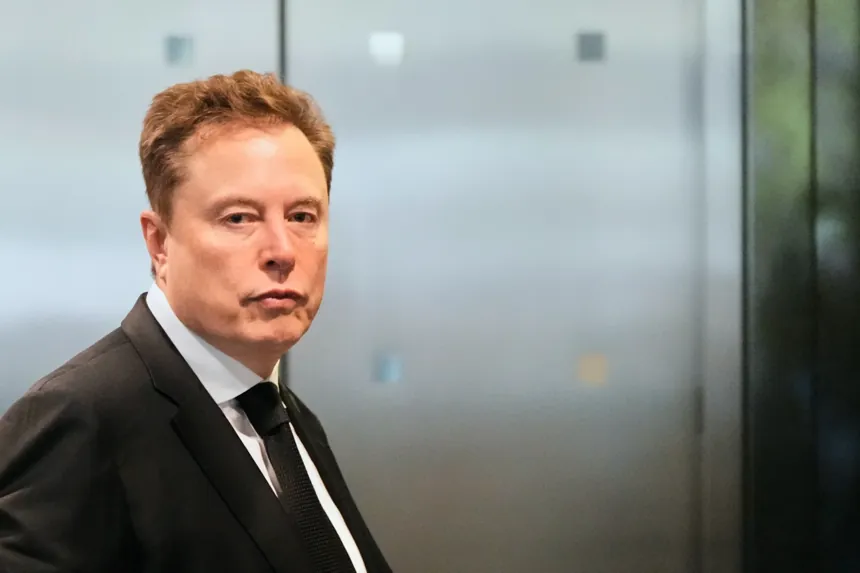
A federal court in California dismissed Elon Musk’s claims against OpenAI and several of its executives after a jury concluded the billionaire entrepreneur filed his lawsuit beyond the legal deadline, marking a significant legal victory for the artificial intelligence company as it advances its commercial ambitions.
The ruling, delivered in Oakland following a three-week trial, centered on procedural timing rather than the underlying merits of Musk’s allegations. The jury unanimously found that Musk waited too long to pursue claims accusing OpenAI and its leadership of abandoning the organization’s original nonprofit mission in favor of commercial gain.
The case had been closely watched across the technology and investment sectors because of its potential implications for AI governance, nonprofit corporate structures, and OpenAI’s long-term capital strategy. According to Reuters, the decision removes a major legal obstacle as OpenAI explores a potential public offering that could value the company at as much as $1 trillion.

Musk, who co-founded OpenAI in 2015 and invested approximately $38 million during its early years, alleged that executives including Sam Altman and Greg Brockman improperly transformed the organization into a profit-oriented enterprise while benefiting from large-scale partnerships and investments, including backing from Microsoft.
Legal outcome centered on statute limitations
Judge Yvonne Gonzalez Rogers accepted the jury’s advisory verdict and dismissed the claims, concluding there was substantial evidence supporting the finding that the statute of limitations had expired before Musk filed the lawsuit.
Court proceedings focused heavily on whether Musk knew — or should reasonably have known — about OpenAI’s shift toward a commercial structure years before initiating legal action in 2024. OpenAI’s legal team argued that Musk had publicly criticized the company’s direction as early as 2020, undermining his claims that the alleged breach was discovered later.
The verdict avoided a broader judicial ruling on whether OpenAI violated any founding commitments tied to its nonprofit origins. Legal analysts noted that the dismissal leaves unresolved wider questions surrounding governance models in the rapidly expanding artificial intelligence sector.
OpenAI gains strategic breathing room
The outcome is viewed as strategically important for OpenAI, which has become one of the most heavily financed AI companies globally following the commercial success of products such as ChatGPT.
■ Related News




Industry observers said the case represented a substantial legal and reputational risk because Musk sought sweeping remedies, including removing Altman and Brockman from leadership roles and forcing OpenAI’s operations back under nonprofit control. Reuters reported Musk pursued damages estimated at up to $150 billion.
OpenAI argued throughout the trial that Musk’s claims were motivated partly by competitive tensions after he launched rival AI venture xAI. Company attorneys maintained that Musk had long been aware of OpenAI’s evolving business structure and left the organization years before its most significant commercial partnerships emerged.
Broader implications for the AI sector
The lawsuit highlighted intensifying competition among major AI developers as companies race to secure funding, computing infrastructure, and enterprise partnerships. It also underscored growing debate over whether nonprofit governance structures can coexist with the enormous capital requirements associated with advanced AI development.
Executives and investors across the sector have increasingly faced scrutiny over how AI companies balance public-interest missions with shareholder expectations and commercialization pressures.
Although Musk’s legal team indicated an appeal remains possible, legal experts cited in multiple reports suggested overturning the verdict could prove difficult because the ruling depended heavily on factual determinations made by the jury.