ABUJA, Nigeria – Nigerian security forces have rescued hundreds of people held by Boko Haram during an operation in the country’s northeast, highlighting both recent military gains and the continuing security challenges facing Africa’s most populous nation.
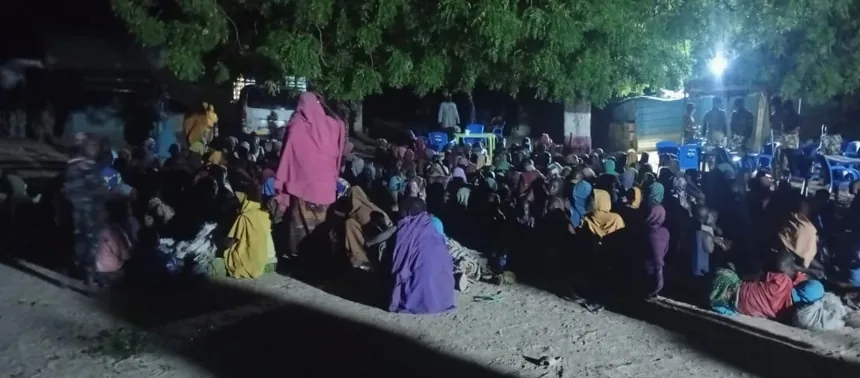
The Nigerian army announced Sunday that troops freed 360 abducted individuals during an operation in southern Borno state, a region that has remained at the center of a violent insurgency for more than a decade.
According to a military statement, the rescue mission was carried out in the Mandara mountain range, an area along Nigeria’s northeastern border that has long served as a stronghold for Boko Haram militants.

Large-Scale Rescue Operation
Military officials said the operation resulted in the release of numerous captives, including women and children who had been abducted from various communities across Borno state.
Army spokesperson Haruna Sani said the rescued individuals were evacuated from difficult mountainous terrain following their release.
Sani reported that two infants died from exhaustion during the evacuation after enduring prolonged periods in captivity and harsh conditions in the remote area.
The remaining survivors were transported to safe locations where they are receiving medical treatment and humanitarian assistance.
Military authorities described the mission as a significant operational achievement and said the rescue represented a setback for Boko Haram’s activities in the region.
■ Related News




Persistent Security Crisis
Despite periodic military successes, Nigeria continues to face multiple security threats, particularly across its northern states.
The country has struggled for years with insurgent violence, criminal kidnappings for ransom, and armed groups involved in illegal mining activities. These challenges have placed significant pressure on security forces and affected millions of civilians.
Among the most prominent militant organizations operating in the region are Boko Haram and its rival faction, the Islamic State West Africa Province (ISWAP), which is affiliated with the extremist group known as the Islamic State.
The insurgency has evolved over time, with both groups carrying out attacks on military installations, civilian communities and critical infrastructure across northeastern Nigeria and neighboring countries.
International Cooperation Continues
Last month, Nigerian authorities reported that a joint operation involving Nigerian and U.S. forces resulted in the deaths of 175 ISWAP fighters.
The operation reflected continuing international cooperation aimed at countering extremist groups that remain active in parts of West Africa despite years of military campaigns.
Security analysts have repeatedly warned that militant networks continue to exploit remote terrain, weak governance structures and economic hardship to sustain their operations and recruit members.
Humanitarian Impact Remains Severe
The conflict in northeastern Nigeria remains one of Africa’s most prolonged humanitarian crises.
According to the United Nations, the insurgency has killed thousands of people and displaced millions since it began more than a decade ago. Entire communities have been uprooted, while many residents continue to depend on humanitarian assistance.
Critics of the government’s security strategy argue that military operations alone have not fully addressed the underlying challenges fueling instability.
President Bola Tinubu has repeatedly pledged to improve security conditions and reduce the threat posed by armed groups. However, concerns remain over the ability of authorities to protect vulnerable communities from attacks, kidnappings and other forms of violence.
The latest rescue operation is likely to be viewed as a positive development for affected families, but it also underscores the continuing threat posed by militant groups operating across northeastern Nigeria.