An Iraqi national accused by U.S. authorities of helping coordinate a series of attacks across Europe and North America pleaded not guilty in a federal court in New York, where he described himself as a “prisoner of war” and denied criminal responsibility for the allegations against him.
Mohammad Baqer Saad Dawood Al-Saadi entered the plea Monday in Manhattan federal court after being charged with providing support to the Iran-backed militia Kata’ib Hizballah and Iran’s Islamic Revolutionary Guard Corps, organizations designated by the United States as foreign terrorist groups. Prosecutors allege he played a role in planning or directing at least 18 attacks in Europe and additional plots targeting American and Jewish interests.
During the hearing, Al-Saadi challenged the accusations through an Arabic interpreter, telling the court he was “not guilty in a war situation” and describing himself as a prisoner of war. Court proceedings briefly paused after the remarks, and U.S. marshals moved closer to the defendant at the judge’s request.

Prosecutors Detail Alleged International Attack Network
According to court filings cited by federal prosecutors, Al-Saadi is accused of involvement in attacks that included the firebombing of a bank in Amsterdam and the stabbing of Jewish men in London. Authorities also allege he encouraged attacks against U.S. and Israeli interests and coordinated activities through online messaging platforms.
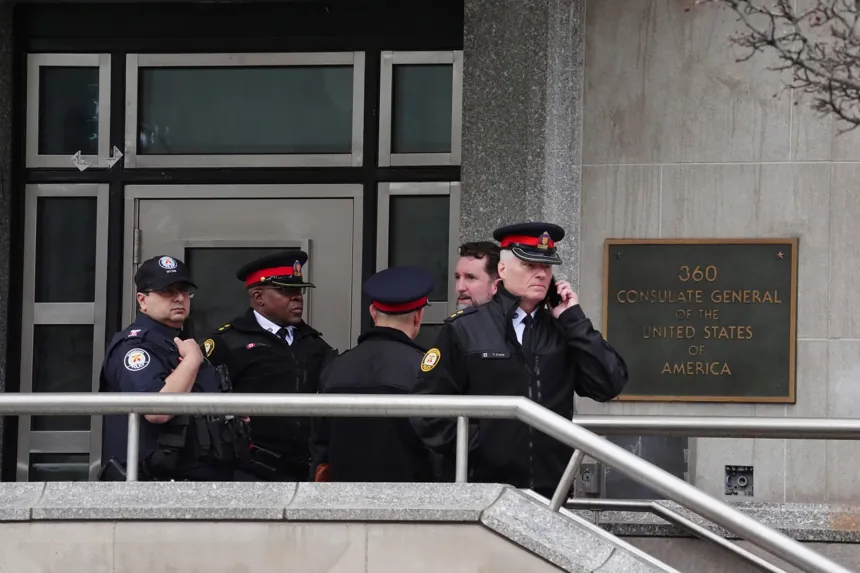
Prosecutors further allege that he sought to organize an attack on a synagogue in New York City and supplied photographs and maps of Jewish community centers in Los Angeles and Scottsdale, Arizona, to an undercover law enforcement officer. Court documents also link him to a synagogue attack and a shooting at the U.S. consulate in Toronto earlier this year.
Federal authorities contend that Al-Saadi used applications including Snapchat and Telegram to discuss attacks and communicate with individuals involved in the alleged plots. Prosecutors said some of those conversations were recorded by an FBI informant.
Defense Challenges Circumstances of Arrest
Al-Saadi’s lawyer, Andrew Dalack, disputed key elements of the government’s portrayal of his client and told the court that Al-Saadi had worked for the Iraqi government, though he did not specify his role.
The defense attorney also said Al-Saadi spent approximately two weeks in a Turkish prison before being transferred to U.S. custody. During the hearing, Dalack said his client hoped to communicate with Iraqi diplomatic officials and family members while detained.




In earlier comments reported after the charges were announced, Dalack said Al-Saadi believed he was being targeted because of his relationship with Qasem Soleimani, the senior Iranian military commander killed in a U.S. drone strike in 2020.
Case Reflects Wider Regional Tensions
The prosecution comes amid continuing tensions involving the United States, Iran and Iran-backed armed groups across the Middle East and beyond.
U.S. authorities have characterized the case as part of broader efforts to disrupt alleged networks targeting American, Israeli and Jewish interests overseas. Prosecutors allege that Al-Saadi acted on behalf of or in coordination with Kata’ib Hizballah and the Islamic Revolutionary Guard Corps, claims that have not been proven in court.
Al-Saadi remains in federal custody as the case proceeds. The court has not determined whether the allegations are valid, and the defendant is presumed innocent unless proven guilty. Details surrounding the full scope of the evidence are expected to emerge during future court proceedings.