Journos News - Breaking News, World News, Top Stories, Todays Headlines and Flash Reports
Wednesday, September 2, 2026
  • Login
  • Home
  • World
    • Africa
    • Americas
    • Asia
    • Europe
    • Middle East
    • Oceania
  • Politics
  • Business
  • Technology
  • Health
  • Science
  • Sports
  • Entertainment
  • Culture
No Result
View All Result
  • Home
  • World
    • Africa
    • Americas
    • Asia
    • Europe
    • Middle East
    • Oceania
  • Politics
  • Business
  • Technology
  • Health
  • Science
  • Sports
  • Entertainment
  • Culture
No Result
View All Result
Journos News - Breaking News, World News, Top Stories, Todays Headlines and Flash Reports
No Result
View All Result
Home World News Middle East

Iran’s Aura of Invincibility Shattered After Israeli Strikes

After Devastating Attack, Iran Faces a New Era of Uncertainty

The Daily Desk by The Daily Desk
June 20, 2026
in Middle East, World News
0
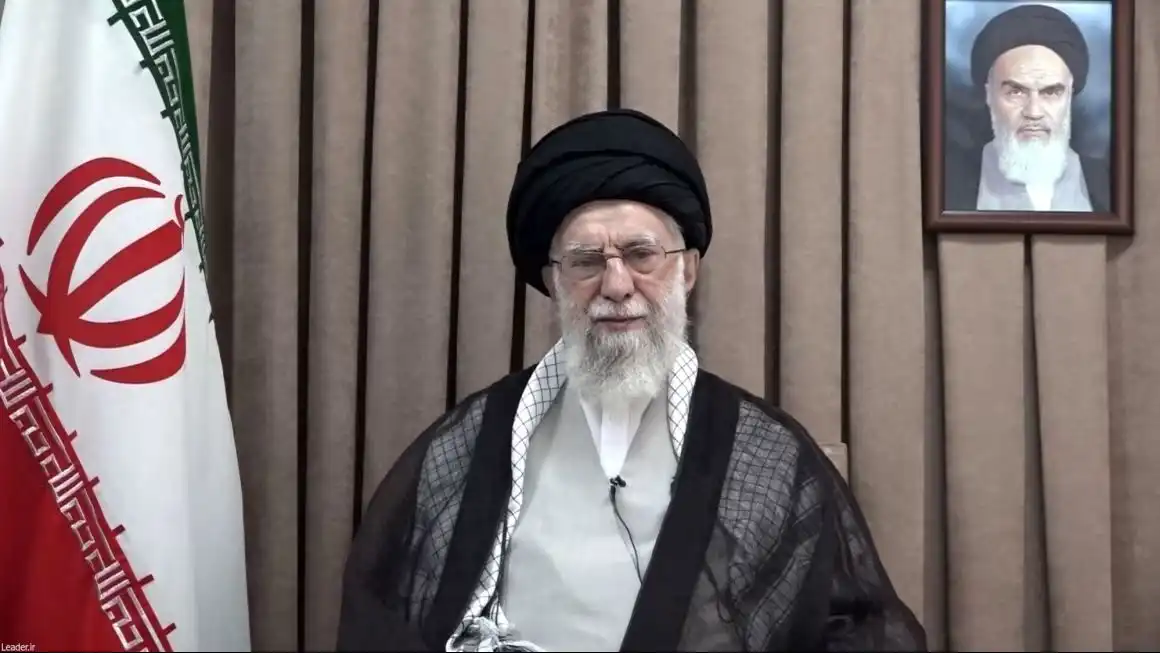
Hardliners Rise as Iran Grapples with Post-Strike Paranoia - Iranian Supreme Leader/WANA/Reuters

From Reform to Repression? Iran's Future Hangs in the Balance - Iranian Supreme Leader/WANA/Reuters

Israel Shatters Iran’s Sense of Invincibility—and the Fallout Could Be Just Beginning

For decades, Iran’s leadership projected power across the region, shielding its homeland through a vast web of proxy forces and projecting an image of untouchability. But that aura crumbled in just hours on June 13, when Israel launched an unprecedented series of strikes deep inside Iranian territory—a move that killed hundreds and left both Tehran and the international community reeling.

The attacks, which reportedly killed 627 people, including top nuclear scientists and military leaders, marked a turning point. It was the first time Iran had faced such direct and devastating strikes on its own soil. For many Iranians, it shattered the long-standing belief that—regardless of the turmoil abroad—they were safe at home.

“The Islamic Republic had one social contract with society,” said Ali Vaez of the International Crisis Group. “It deprived them of freedoms in exchange for providing security. That image has now been shattered.”

A Wounded Regime, A Hardened Stance

The strikes didn’t just rattle Iran’s defenses—they struck at the heart of its pride. In the days that followed, Iran’s regime responded with mass arrests, public crackdowns, and tightened domestic controls. At least 700 people have been detained, accused of aiding Israel. Behind the scenes, Supreme Leader Ayatollah Ali Khamenei reportedly went into hiding, not seen publicly since the ceasefire that followed the brief war.

Despite the massive loss of life and leadership, Iran quickly replaced fallen officials and mobilized its security forces, particularly the powerful Islamic Revolutionary Guard Corps (IRGC). Analysts say the IRGC may now emerge with even more authority—especially if the leadership vacuum deepens.

“There’s a strong desire among the Guards to double down—militarize more internally, and possibly even pursue nuclear weapons as a deterrent,” Vaez warned.

The Rise—and Risk—of Reformists

Before the conflict erupted, Iranians had elected Masoud Pezeshkian, a reformist who campaigned on dialogue with the West and a return to diplomacy. Many saw him as a final hope for re-engaging with the global community and reviving the long-stalled nuclear deal.

Pezeshkian has been one of the few government voices to appear publicly since the conflict. He even attended an anti-war protest in Tehran. But his future—and that of Iran’s moderate wing—is uncertain.

Some Iranians now question whether reform can still happen under a system that has become more repressive since the war. Others, while frustrated by the regime, expressed national pride in Iran’s ability to retaliate during the conflict, which included missile strikes on Tel Aviv and other Israeli cities that killed 28 people.

■ Related News

Iranian leader pictured in an official image associated with a message marking Workers’ Day and Teachers’ Day in May 2026.

Iran’s Leaders Defy the U.S. Six Months Into War, Signaling Little Tolerance for Dissent

August 29, 2026
Donald Trump speaks at the Conservative Political Action Conference in Washington, D.C., in 2011 during a political address.

After Six Months of Iran War, U.S. Goals Have Shifted. Strait of Hormuz Is Now a Top Concern

August 27, 2026
Iranian President Masoud Pezeshkian speaks during an interview recorded for the official Khamenei.ir website in 2025.

Iran’s Leadership Divided Over How to End the War Despite United Military Strategy

August 3, 2026
JournosNews regional map showing missile launches, interceptions, airstrikes, strategic shipping routes, and security hotspots across Iran, Iraq, Jordan, the Red Sea, and the Strait of Hormuz.

Iranian Missile Fire and Iraq Strikes Renew Middle East Tensions

July 29, 2026

“People feel very nationalistic right now,” said one Iranian man. “The war felt unjustified, but the government handled it well. Still, what happens next is what worries us.”

Hardliners Feel Vindicated

If there’s one clear political outcome, it’s that Iran’s hardliners have been emboldened. For years, they’ve warned that diplomacy with the West was a trap—and now, after Israel’s direct strike and the U.S. joining in, their argument appears stronger than ever.

“In the short term, hardliners are likely to prevail,” said Sina Toossi of the Center for International Policy. “Reformist voices are being marginalized in this climate.”

And while some foreign powers may have hoped the attacks would destabilize Iran’s leadership, the opposite seems true. The regime is wounded—but not broken. And its paranoia may now drive even more aggressive domestic policies.

“The broader lesson is that the Islamic Republic is not invincible,” Toossi said. “But neither is it easily toppled.”

The Fallout for Khamenei

Khamenei, Iran’s Supreme Leader for more than 35 years, now faces unprecedented scrutiny. Long seen as the final word on both domestic and foreign affairs, he’s being blamed—quietly but increasingly—for Iran’s vulnerability.

“He was too cautious when he had to be bold, and too bold when he had to be cautious,” Vaez said. “A lot of blame is being placed on his leadership.”

His silence during the crisis—and the rumors of bunker seclusion—has only added to public unease. Some experts even suggest that, in time, Iran’s entire system of supreme leadership may come under review, as the country weighs what kind of governance can protect it in an increasingly volatile world.

Uncertainty Ahead

Iran’s reformers, moderates, and civil society activists now find themselves in a precarious position. The leadership, badly shaken and increasingly suspicious of internal dissent, may seek to stamp out what it sees as weakness or betrayal.

Abroad, the Iranian opposition remains fragmented, and civil society inside the country is on the defensive.

Meanwhile, Iranians themselves are caught between national pride, fear of repression, and a deep sense of uncertainty.

“We’ve always known change must come from the inside,” said one woman. “But now, where do we find ourselves?”

Bottom Line: The myth of Iran’s invincibility is gone—and what comes next may be a more paranoid, militarized, and isolated state. For everyday Iranians, it’s not just about recovering from war—it’s about holding on to the hope that change is still possible in a country facing one of the greatest identity crises in its modern history.

Source: CNN – The myth of Iran’s invincibility has been broken, and the fallout could be far-reaching

Tags: #AyatollahKhamenei#CeasefireIran#GeopoliticalCrisis#GlobalSecurity#IranAftermath#IranCrisis#IranHardliners#IranianLeadership#IranianPolitics#IranianProtests#IranianReform#IranNews#IranNuclear#IranOpposition#IranRegime#IranSecurity#IranStrikes#IranUnderAttack#IranWar#IRGC#IsraelIranConflict#KhameneiLeadership#MasoudPezeshkian#MiddleEastNews#MiddleEastTensions#MilitaryTensions#ReformInIran#RegionalStability#TehranAttack#USIranRelations
The Daily Desk

The Daily Desk

The Daily Desk is a contributor at JournosNews.com covering politics, media, governance, and the evolving dynamics of public discourse. Stories published under this byline are produced in accordance with JournosNews' editorial standards, with an emphasis on verified reporting, accuracy, context, and impartiality.

Related Posts

Locator map showing Iran's Natanz Nuclear Complex, Pickaxe Mountain underground facility, and other major nuclear sites, including Fordo, Isfahan, and Bushehr.

Trump Threatens Strike on Deep Underground Iranian Nuclear Site at Pickaxe Mountain

July 23, 2026
Live coverage dashboard summarizing military operations, maritime security, oil markets, and regional developments across the Middle East. – Image Graphic/JournosNews (File)

LIVE: Middle East Security Crisis — Ongoing Coverage

July 20, 2026
Smoke rises following U.S. airstrikes on Iranian military targets amid tensions over the Strait of Hormuz. - Amirhosein Khorgoo/ISNA via AP

US Ends Latest Airstrikes on Iran After Tehran Expands Attacks Across Gulf

July 13, 2026
NATO leaders gather in Ankara for alliance summit amid security challenges - AP Photo/Riza Ozel

NATO leaders meet in Turkey as US reassesses its security role in Europe

July 8, 2026
US military strikes follow attacks on ships in the Strait of Hormuz - Amirhosein Khorgooi/ISNA via AP

US launches broader strikes on Iran after attacks on commercial ships in Strait of Hormuz

July 8, 2026
Mourners gather during Ayatollah Ali Khamenei's funeral procession in Tehran. - AP Photo/Vahid Salemi

Mass Crowds Gather in Tehran as Iran Holds Funeral Procession for Ayatollah Ali Khamenei

July 7, 2026
Armed conflict continues in eastern Democratic Republic of Congo amid peace agreement violations. - AP Photo/Moses Sawasawa, File

U.N. Experts Say Congo Peace Deal Violated as Fighting and Abuses Persist in East

July 3, 2026
Diplomatic activity continues as U.S. and Iranian delegations head to Qatar. - AP Photo/Anjum Naveed

U.S., Iran Pause Military Strikes but Differ on Whether Direct Talks Are Planned

June 29, 2026
Load More
Next Post
NATO's New Game: Stroke Trump’s Ego, Secure Billions - Ludovic Marin/Pool/Reuters

How NATO Flattered Trump—And Got Exactly What It Wanted

Ecuador Reclaims Control: Infamous Los Choneros Leader ‘Fito’ Captured - Handout/Getty Images

Ecuador Captures Most Wanted Drug Lord ‘Fito’ After Months on the Run

JournosNews logo

Journos News delivers globally neutral, fact-based journalism that meets international media standards — clear, credible, and made for a connected world.

  • Categories
  • World News
  • Politics
  • Business & Markets
  • Technology
  • Health
  • Science
  • Sports
  • Arts & Culture
  • Resources
  • Editorial Standards
  • Submit a Story
  • Advertise with Us
  • Syndication & Partnerships
  • Site Map
  • Press & Media Kit
  • Editorial Team
  • Careers

Join thousands of readers receiving the latest updates, tips, and exclusive insights straight to their inbox. Never miss an important story again.

  • About Us
  • Editorial & Trust Center
  • Contact Us
  • Privacy Policy
  • Terms of Use & Copyright Notice

© JournosNews.com All rights reserved.

Welcome Back!

Login to your account below

Forgotten Password?

Retrieve your password

Please enter your username or email address to reset your password.

Log In
JournosNews

Independent Journalism.
Verified Facts.

You're about to read a professionally edited article from JournosNews.com.

Every article is produced in accordance with our editorial standards, emphasizing factual accuracy, transparent attribution, fairness, editorial independence, and meaningful context.

Editorial Standards
No Result
View All Result
  • Home
  • World
    • Africa
    • Americas
    • Asia
    • Europe
    • Middle East
    • Oceania
  • Politics
  • Business
  • Technology
  • Health
  • Science
  • Sports
  • Entertainment
  • Culture

© JournosNews.com All rights reserved.

This website uses cookies. By continuing to use this website you are giving consent to cookies being used. Visit our Privacy and Cookie Policy.