JAKARTA, Indonesia (JN) – The birth of the first giant panda cub in Indonesia marks a scientific milestone for a Southeast Asian conservation park. It also underscores the continuing diplomatic weight of China’s long-running “panda diplomacy” strategy.
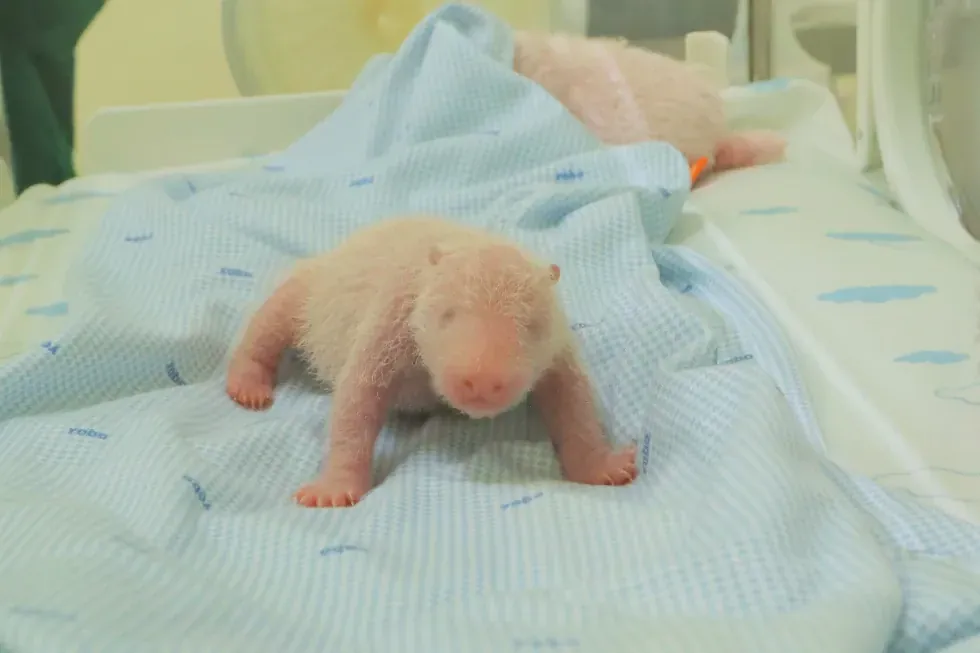
The arrival of Satrio Wiratama — nicknamed Rio — at Taman Safari Indonesia in West Java represents a rare breeding success outside China. Yet the significance of the birth extends beyond animal husbandry. It offers insight into how conservation partnerships intersect with geopolitics, particularly in the Asia-Pacific region.
Giant pandas are not only an endangered species with well-documented breeding challenges. They are also closely tied to China’s international engagement strategy, where animal loans to foreign zoos function as cultural diplomacy. Indonesia’s first locally born cub therefore sits at the intersection of ecological science and statecraft.

The cub was born on Nov. 27 to 15-year-old Hu Chun at Taman Safari Indonesia in Cisarua, about 70 kilometers from Jakarta. Park officials say Rio is stable, nursing well, vocalizing strongly and gaining weight — indicators widely used in neonatal panda monitoring. The park has prioritized maternal and neonatal health, limiting public access during the critical early weeks.
But the broader question is not simply whether the cub is healthy. It is what this birth indicates about Indonesia’s conservation capacity, China’s diplomatic outreach, and the evolving meaning of “panda diplomacy.”
Breeding Success and Scientific Capacity
Giant pandas are notoriously difficult to breed, particularly in captivity. According to conservation data widely cited by organizations such as the World Wildlife Fund and reported by Reuters and AP, fewer than 1,900 pandas live in the wild, primarily in China’s Sichuan, Shaanxi and Gansu provinces. Captive breeding programs have improved survival rates in recent decades, but successful births remain technically demanding.
Artificial insemination, hormonal monitoring, and constant neonatal care are often required. In many overseas facilities, panda pairs fail to reproduce within the duration of loan agreements. That makes a first-generation birth in Indonesia noteworthy from a scientific standpoint.
The adult pandas, Cai Tao and Hu Chun, arrived in Indonesia in 2017 under a 10-year conservation partnership with China. Such agreements typically involve significant infrastructure investment, veterinary training, and ongoing cooperation with Chinese specialists. Facilities must meet strict environmental and dietary standards, replicating the bamboo-heavy diet and climate conditions pandas require.


Indonesia’s success suggests that Taman Safari Indonesia has developed sufficient technical capability and environmental control to support reproduction. While the cub’s long-term health remains to be seen — early panda mortality can be high — initial signs appear positive.
From a conservation perspective, the birth may indicate gradual diffusion of panda-care expertise beyond China’s borders. However, it does not necessarily signal broader species recovery in the wild, where habitat fragmentation remains a structural challenge.
The Diplomatic Dimension
Pandas occupy a unique place in Chinese foreign relations. Since the 1950s, Beijing has used panda loans as symbolic gestures toward strategic partners. In the reform era, these arrangements evolved into structured conservation agreements, typically involving 10-year renewable contracts and substantial fees directed toward panda research in China.
Scholars and policy analysts frequently describe this as “panda diplomacy.” The practice has coincided with trade agreements, infrastructure projects, or diplomatic milestones. While the loans are framed primarily as conservation cooperation, their timing often aligns with broader bilateral engagement.
Indonesia and China maintain significant economic ties, including infrastructure investment under the Belt and Road Initiative. The birth of Rio comes as Indonesia balances relations among major powers while deepening regional partnerships.
Indonesian President Prabowo Subianto publicly announced the cub’s name during a meeting with Wang Huning, a senior Chinese political adviser. The naming — Satrio Wiratama — was described as symbolizing resilience and shared commitment to endangered species protection. The ceremonial dimension reinforces the perception that the birth carries diplomatic resonance.
However, it would be reductive to frame the event solely as geopolitical theater. Panda loans are also regulated by conservation protocols, and offspring typically remain under Chinese ownership regardless of birthplace. The arrangement underscores that even symbolic wildlife diplomacy operates within structured scientific cooperation.
Conservation Versus Symbolism
The dual nature of panda diplomacy raises questions about how conservation outcomes should be assessed. On one hand, the program has coincided with improvements in captive breeding techniques and a reported stabilization of wild panda populations. The International Union for Conservation of Nature reclassified the giant panda from “endangered” to “vulnerable” in 2016, citing population gains, though habitat risks persist.
On the other hand, critics argue that the visibility of pandas can overshadow broader biodiversity challenges. Countries hosting pandas may invest heavily in single-species facilities while other endangered species receive less attention.
In Indonesia’s case, the birth may help raise awareness of conservation more broadly. Southeast Asia faces significant biodiversity pressures, including deforestation and habitat loss affecting native species such as orangutans and Sumatran tigers. Whether panda-related public engagement translates into stronger domestic conservation policy remains uncertain.
The park has stated that Rio will not yet be accessible to the public, prioritizing maternal health. That approach aligns with international best practices, where minimal disturbance is encouraged in the first months of life. The decision may also temper the immediate commercialization potential of the birth, at least in the short term.
Economic and Public Diplomacy Effects
Zoo-based pandas often draw substantial visitor numbers. In countries such as Japan and the United States, panda births have generated significant tourism spikes and media attention. For Indonesia, which continues to develop its domestic tourism sector, the presence of a locally born cub may enhance visitor interest once the animal is publicly displayed.
However, the long-term economic effect depends on sustained health and international travel conditions. Moreover, panda loan agreements typically include annual payments reportedly running into the hundreds of thousands or millions of dollars, although specific financial terms are not always publicly disclosed.
The economic calculus therefore involves both cost and benefit. Hosting pandas can elevate a park’s international profile, but it also entails substantial ongoing expenses. The birth of a cub may strengthen the case for extending the partnership beyond the original 10-year term, depending on diplomatic priorities.
Regional Context in the Asia-Pacific
Within the Asia-Pacific region, several countries host Chinese pandas under similar arrangements. These agreements often coincide with deepening trade or infrastructure cooperation. Indonesia’s case illustrates how mid-sized regional powers engage with China through a combination of economic, cultural, and environmental channels.
At the same time, Indonesia maintains strategic autonomy and diversified partnerships, including ties with Japan, the United States, and regional ASEAN members. The panda birth does not necessarily shift geopolitical alignments. Rather, it reinforces an existing cooperative channel that blends science with soft power.
In that sense, Rio’s birth may be best understood as incremental rather than transformative. It confirms the operational success of a bilateral conservation project while symbolically reinforcing diplomatic ties.
What the Birth Ultimately Indicates
The immediate story is straightforward: a healthy panda cub has been born, nursing well and gaining weight under close supervision. The deeper implications are more layered.
Scientifically, the birth suggests competence in captive breeding management outside China, though long-term survival and reproductive contribution remain unknown. Diplomatically, it reaffirms China’s continued use of wildlife partnerships as part of its global engagement strategy. For Indonesia, it offers both prestige and responsibility in hosting one of the world’s most symbolically charged animals.
Whether the event leads to broader conservation gains or primarily functions as soft-power symbolism depends on how the partnership evolves. As with many examples of environmental diplomacy, the outcome lies in sustained commitment rather than ceremonial milestones.
For now, the squeals of a newborn cub in West Java resonate beyond the enclosure. They echo within a framework where conservation science, national identity, and international politics converge — cautiously, collaboratively, and under careful observation.
Source: AP News – The first giant panda cub born in Indonesia squeals and squirms in park video