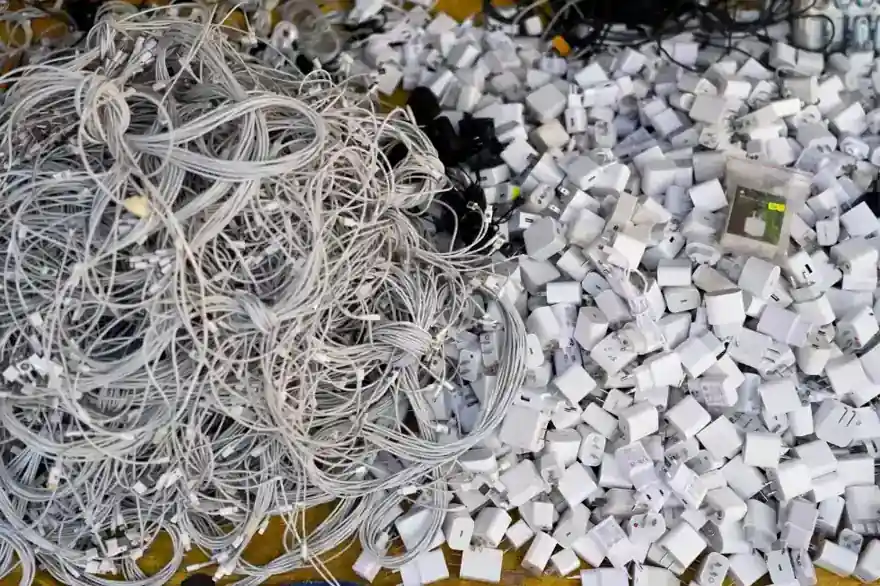
The volume of global e-waste recycling remains limited despite rising electronic consumption, with data from the United Nations showing that 62 million metric tons of electronic waste were generated in 2022, while only about 22% was formally recycled. The figures underscore a widening gap between consumption trends and waste management capacity. The issue carries implications for environmental safety, resource recovery, and supply chains for critical materials.
The Data Behind the Trend
According to estimates from the United Nations Environment Programme (UNEP), global e-waste has grown steadily over the past decade, driven by shorter device lifecycles and increasing digital adoption. The 2022 figure of 62 million metric tons represents a continuation of this trend, with projections indicating further increases if consumption patterns persist.
National data reflects similar patterns. The U.S. Environmental Protection Agency (EPA) estimates that less than one-quarter of electronic waste is recycled annually in the United States, suggesting structural challenges in collection systems and consumer participation.

Scientists and environmental health researchers say the growth in e-waste is measurable and ongoing, rather than cyclical. Research cited by academic institutions indicates that disposal rates continue to accelerate alongside device turnover.
Environmental and Resource Implications
Electronic waste contains both hazardous substances and economically valuable materials. According to environmental health experts, devices may include mercury, lead, cadmium, and arsenic, which can enter soil and water systems if improperly disposed of.
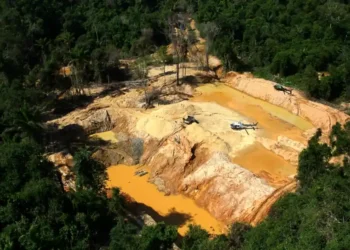
At the same time, e-waste represents a secondary resource stream. Industry data shows that discarded electronics contain recoverable materials such as copper, aluminum, gold, silver, and rare earth elements, which are critical for manufacturing new technologies.
Recycling systems can reduce the need for primary mining. According to research cited by engineering and environmental studies, improved recovery rates could contribute to easing pressure on global mineral supply chains, particularly for rare earths used in batteries and electronics.
Structural Challenges in Recycling Systems
Unlike conventional recyclables such as paper or plastics, electronic devices vary widely in size, composition, and design. This heterogeneity complicates processing.
■ Related News




Experts note that dismantling devices and separating materials is energy-intensive and technically complex, requiring specialized infrastructure. As a result, recycling costs remain relatively high compared to traditional waste streams.
In many regions, e-waste collection is not integrated into curbside recycling systems. Instead, consumers must rely on designated drop-off points, retailer programs, or manufacturer take-back schemes, which can limit participation rates.
Policy and Industry Responses
Governments and private sector actors have introduced a range of initiatives to address e-waste flows. These include extended producer responsibility (EPR) frameworks, under which manufacturers are required to manage product end-of-life disposal.
Major electronics manufacturers have also expanded trade-in and recycling programs. These initiatives allow consumers to return used devices for refurbishment, resale, or material recovery. Retailers and waste management firms have introduced collection services, including mail-in programs and in-store drop-offs.
However, policy coverage remains uneven globally. Analysts note that while some high-income countries have established formal recycling systems, large volumes of e-waste in developing regions are either informally processed or landfilled, often without environmental safeguards.
Scientific Context and Material Recovery
Research in materials engineering suggests that increasing recycling efficiency could yield both environmental and economic benefits. Studies indicate that improved recovery of rare earth elements and metals could reduce dependence on mining, which is associated with high environmental costs.
At the same time, current recycling technologies do not capture all materials efficiently. Some components remain difficult to extract, and recovery rates vary depending on device type and processing method.
What Remains Uncertain
While data confirms rising e-waste volumes, uncertainties remain regarding future recycling rates and technological improvements. Model projections suggest that without policy expansion and infrastructure investment, recycling rates may not keep pace with waste generation.
There is also limited global data on informal recycling sectors, which play a significant role in some regions but are often excluded from official statistics. This creates gaps in assessing the full environmental impact.
Experts say further research is needed to evaluate how consumer behavior, regulatory frameworks, and technological innovation will shape e-waste management over the coming decade.