Google unveiled a broader set of Gemini artificial intelligence upgrades during its latest developer conference, including plans for a more personalized AI assistant designed to handle complex digital tasks. The announcements place Google at the center of intensifying competition among major technology firms racing to integrate AI into search, productivity, and consumer services. The latest rollout also signals how AI platforms are evolving from chatbot interfaces into persistent digital agents with deeper access to user data and online activity.
AI Deployment Expands Across Google’s Ecosystem
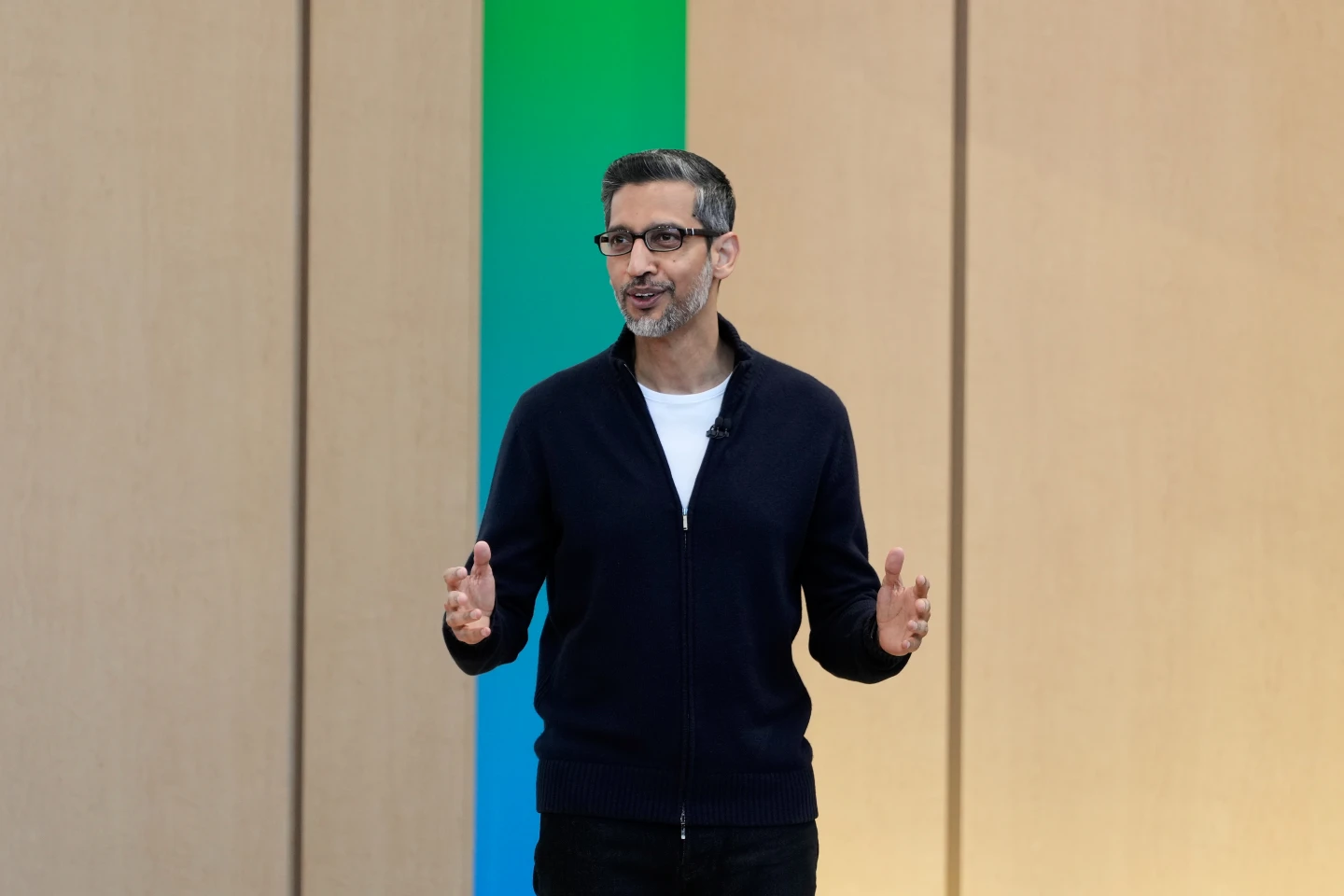
During its annual developer event this week, Google introduced new Gemini capabilities spanning search, Android devices, productivity tools, and web services, according to reporting from Associated Press. Executives said the company is moving toward AI systems capable of carrying out multi-step actions on behalf of users, including managing schedules, handling online research, and interacting across applications.
A major focus was a forthcoming personalized AI assistant that can draw on a user’s search history, emails, and other Google services to deliver contextual responses. The company said users would retain control over privacy settings and permissions, reflecting growing scrutiny over how technology companies process personal data in generative AI systems.

Google also expanded AI-generated search features and multimodal tools designed to interpret text, images, video, and voice simultaneously. The upgrades underscore the company’s strategy to protect its dominance in internet search as generative AI increasingly reshapes how users access information online.
Competitive Pressure Intensifies in Generative AI
The announcements arrive amid mounting competition between Google, Microsoft, OpenAI, and other major AI developers seeking to establish ecosystem-wide AI platforms. Analysts have noted that technology companies are shifting from standalone chatbots toward integrated AI agents capable of automating digital workflows across devices and services.
Google’s latest updates also reflect broader industry efforts to monetize AI through subscription services, enterprise tools, and advertising integration. The company has accelerated Gemini deployment across its product portfolio following rapid adoption of generative AI tools since late 2022.
Executives additionally highlighted infrastructure investments supporting the expansion of AI workloads, including improvements to custom AI chips and cloud computing systems. The broader strategy aligns with growing demand for computing capacity as AI models become larger and more resource-intensive.
Data Governance Concerns Continue to Grow
The push toward more personalized AI assistants is likely to intensify regulatory and privacy debates in multiple regions, particularly concerning user consent, data retention, and algorithmic transparency. Regulators in the United States and Europe have increased scrutiny of how large technology companies train and deploy AI systems using consumer data.




Industry observers have also raised questions about the competitive implications of integrating AI directly into dominant digital ecosystems such as search engines, mobile operating systems, and cloud platforms. According to analysts, companies with extensive consumer data and infrastructure advantages may gain a stronger position as AI services become more deeply embedded in daily internet use.
Google said additional Gemini features and AI services would continue rolling out over the coming months, suggesting the competitive pace of AI deployment across the technology sector is unlikely to slow in the near term.