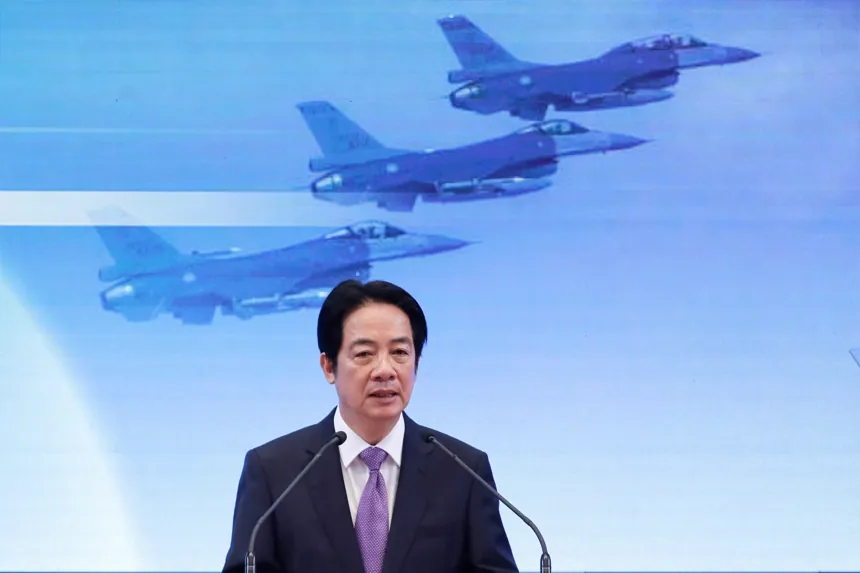
Taiwanese President Lai Ching-te said he hopes to continue purchasing weapons from the United States if given the opportunity to speak directly with U.S. President Donald Trump, underscoring Taipei’s focus on strengthening defense ties amid ongoing regional security concerns.
Speaking during remarks marking the second anniversary of his administration, Lai stressed the importance of maintaining Taiwan’s self-defense capabilities as military pressure from China continues to shape security dynamics across the Taiwan Strait. According to international reports, the Taiwanese leader said continued arms cooperation with Washington remains central to preserving stability in the Indo-Pacific region.
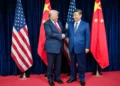
The comments come at a sensitive moment in cross-strait relations, with Beijing intensifying diplomatic and military pressure on Taiwan while opposing foreign military support for the island. Chinese officials have repeatedly criticized U.S. arms sales to Taipei, arguing they interfere in China’s internal affairs and undermine regional stability.

Strategic Security Concerns Intensify
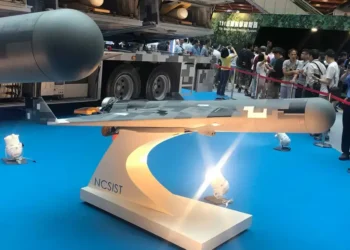
Lai’s remarks reflected broader concerns within Taiwan over long-term deterrence and defense preparedness. Government statements indicate Taiwan continues to prioritize military modernization, including investments in missile systems, naval defense, and asymmetric warfare capabilities designed to counter potential military escalation.
Analysts noted that Taiwan’s continued reliance on U.S. defense support remains a key element of regional security calculations. Washington is legally obligated under the Taiwan Relations Act to provide Taiwan with defensive equipment, although the United States maintains a policy of strategic ambiguity regarding direct military intervention.
Officials in Washington have increasingly emphasized the importance of peace and stability in the Taiwan Strait, particularly as regional allies monitor growing competition between the United States and China across Asia.
Diplomatic Balancing Shapes Regional Dynamics
Lai also signaled that Taiwan intends to maintain stable communication with international partners while avoiding unnecessary escalation with Beijing. His administration has sought to deepen economic and security cooperation with democratic allies while reinforcing Taiwan’s global diplomatic visibility.
Beijing, however, continues to reject Lai’s political stance, viewing him as supportive of Taiwanese sovereignty. Chinese authorities have previously conducted military drills and air patrols near Taiwan following political developments viewed as challenging China’s territorial claims.
According to international observers, tensions surrounding Taiwan remain one of the most significant geopolitical flashpoints in the Asia-Pacific region, with implications for global trade, semiconductor supply chains, and international security cooperation.
International Attention Remains Focused on Taiwan Strait
Regional governments and security analysts continue to watch developments closely as U.S.-China rivalry deepens. Taiwan’s strategic importance in advanced semiconductor production and maritime trade routes has elevated international concern over maintaining stability in the region.
While Lai’s comments primarily focused on defense cooperation, analysts said the broader message was aimed at reassuring allies that Taiwan intends to remain closely aligned with Western security partnerships amid mounting geopolitical uncertainty.
Reports from international media organizations, including the Associated Press, indicate the Taiwanese government continues to frame its defense policies as necessary measures to deter conflict rather than provoke confrontation.