Artificial intelligence is helping historians and cryptographers uncover information hidden in encrypted medieval manuscripts. Researchers are now using machine learning tools to examine documents that remained unreadable for centuries.
The work is opening access to historical records stored in archives, libraries, and private collections across Europe. Many of these documents contain coded messages, damaged text, or unfamiliar writing systems that have challenged scholars for generations.
The growing use of AI highlights how advanced computing is expanding beyond traditional technology fields and supporting historical research.

AI Expands Historical Research
Research teams are applying machine learning systems to a wide range of historical materials. These include diplomatic correspondence, medical records, personal letters, and political communications.
The technology helps scholars process large collections of documents more quickly. Tasks that once required years of manual work can now move forward at a faster pace.
Researchers use AI primarily for pattern recognition, transcription, and text analysis. The technology supports the work of historians rather than replacing them.
The Borg Cipher Offers a Key Example
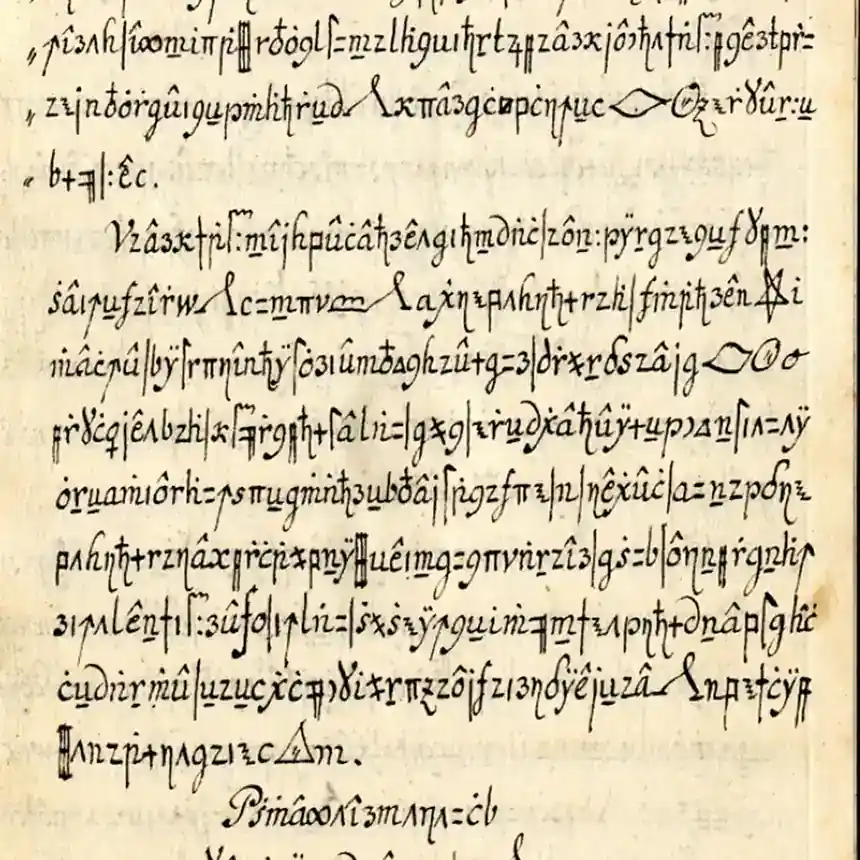
One notable project focuses on the Borg cipher, a manuscript preserved in the Vatican Library.
The document is more than 400 years old and contains hundreds of pages filled with unusual symbols mixed with Roman characters. Researchers combined AI-assisted analysis with traditional cryptographic techniques to study the manuscript.




Their work helped decode parts of the text that had remained unclear for centuries. The manuscript contained medical remedies and treatment instructions.
The project demonstrated how AI can support investigations into complex historical records.
Hidden Messages in Historical Documents
Cipher research remains a specialized area of study. Scholars believe many archived documents around the world still contain encrypted content.
These records often include diplomatic intelligence, administrative information, private correspondence, religious communications, and scientific observations. Many authors intentionally concealed sensitive information through encryption.
Modern AI systems can identify recurring patterns in symbols, handwriting styles, and language structures. Those capabilities help researchers locate clues that might otherwise remain hidden.
Several projects have already revealed new details about important historical figures and events.
For example, researchers studying coded letters connected to Mary, Queen of Scots uncovered information about political plotting during her imprisonment in England. Other decrypted archives have provided new insight into personal relationships and diplomatic tensions that public records did not fully explain.
Challenges Remain for Researchers
Despite recent progress, historical ciphers still present major challenges.
Many manuscripts use multiple encryption methods at the same time. Some contain symbol substitutions, misleading characters, or unknown languages. Physical damage also complicates the work. Age, fading, and deterioration have left many documents incomplete.
To overcome these obstacles, research teams are building databases of historical ciphers. They are also training machine learning models to recognize linguistic and structural patterns.
Some projects combine computer vision with language-processing technology. These systems can reconstruct damaged symbols before researchers attempt decryption.
Human Expertise Remains Essential
Researchers hope future systems will analyze manuscript images and decode encrypted content with fewer intermediate steps.
Such tools could help scholars access large collections of historical records that remain difficult to study because of the time and expertise required.
Even so, experts stress that human oversight remains critical.
Historical interpretation requires cultural, political, and linguistic knowledge that AI cannot independently verify. While machine learning can identify likely solutions, historians must confirm findings and place them in the proper historical context.
As more institutions digitize their collections, researchers expect AI-assisted cryptanalysis to play a larger role in historical scholarship. The technology is helping experts examine documents that remained hidden from modern understanding for centuries, offering new opportunities to explore the past.