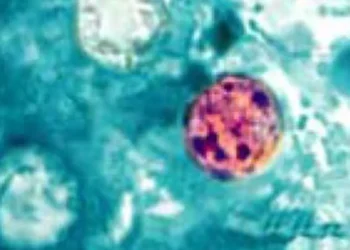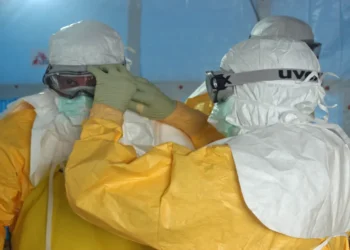
Health experts are warning about the continued risk of Ebola transmission linked to the hunting, handling and consumption of wild animals as the Democratic Republic of Congo confronts a growing outbreak that authorities say has already resulted in hundreds of deaths and more than 1,000 suspected cases. The outbreak has renewed attention on the complex relationship between public health, traditional food practices and wildlife in Central Africa.
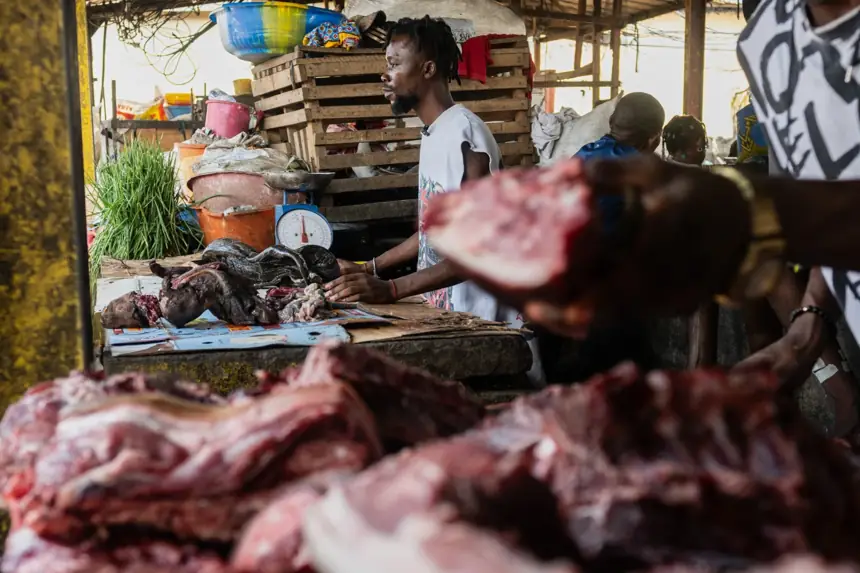
The concerns come as demand for wild meat, commonly known as bushmeat, remains widespread across the Congo Basin despite repeated Ebola outbreaks in the region. Vendors at markets in Kinshasa continue to sell products ranging from antelope and rodents to reptiles and caterpillars, reflecting a longstanding cultural and dietary tradition that many communities depend upon for food and income.
Experts Highlight Animal-to-Human Transmission Risks
The U.S. Centers for Disease Control and Prevention has stated that Ebola is generally not transmitted through food consumption itself. However, infections have been associated with hunting, butchering and processing infected animals before the virus spreads between humans through direct contact with bodily fluids.

Officials from the Africa Centres for Disease Control and Prevention said outbreaks can emerge when humans, animals and the environment interact closely. Health experts believe Ebola outbreaks often begin when the virus passes from infected wildlife, including fruit bats and other animals, into human populations.
The Congolese government has reported more than 1,000 suspected Ebola cases and at least 220 deaths since declaring the outbreak on May 15. The World Health Organization has indicated that the actual scale of the outbreak may be larger than currently documented because the virus appears to have circulated undetected for several weeks before authorities identified it.
Cultural Practices Complicate Prevention Efforts
Public health specialists say changing behavior around wild meat consumption remains difficult because the practice is deeply rooted in local culture and serves as a key source of protein for many communities.
Dr. Misaki Wayengera, a microbiologist who advises Uganda’s Ministry of Health on epidemics, told The Associated Press that some people remain unaware of the potential health risks while others do not accept a connection between Ebola outbreaks and the handling of infected wildlife. He said longstanding traditions can be difficult to change even after repeated outbreaks.
According to the Food and Agriculture Organization, animal-to-human Ebola spillovers are relatively rare, but their consequences can be severe when they occur. Once the virus infects a person, transmission can accelerate through close contact with infected individuals or contaminated bodily fluids.
■ Related News



Current Outbreak Faces Additional Challenges
Health officials say the current outbreak is caused by the Bundibugyo strain of Ebola, a less common variant for which no approved vaccines or treatments currently exist. The outbreak is unfolding in eastern Congo, a region also affected by armed conflict and population displacement, factors that complicate surveillance and response efforts.
The Democratic Republic of Congo has experienced 17 Ebola outbreaks since the virus was first identified near the Ebola River in 1976. The deadliest outbreak occurred in West Africa between 2014 and 2016, when an estimated 28,000 people were infected and more than 11,300 died.
Although Congolese authorities prohibit the hunting of certain endangered species, wildlife trade continues across parts of the Congo Basin. Researchers estimate that millions of tons of wild meat are harvested from the region each year, underscoring the challenge of balancing public health concerns, conservation efforts and local livelihoods.
Calls for Greater Public Awareness
Conservation and public health advocates say education campaigns remain one of the most important tools for reducing future outbreaks. They argue that communities need better information about how Ebola emerges and how transmission can begin through contact with infected wildlife.
Some fruit bat species are believed by the World Health Organization to be natural hosts of Ebola viruses. Health campaigners say raising awareness about the risks associated with handling dead or sick wild animals could help reduce the likelihood of future spillover events.
As authorities continue efforts to contain the current outbreak, experts warn that preventing future epidemics will require not only medical responses but also sustained public engagement in regions where wildlife, human communities and disease transmission intersect closely.