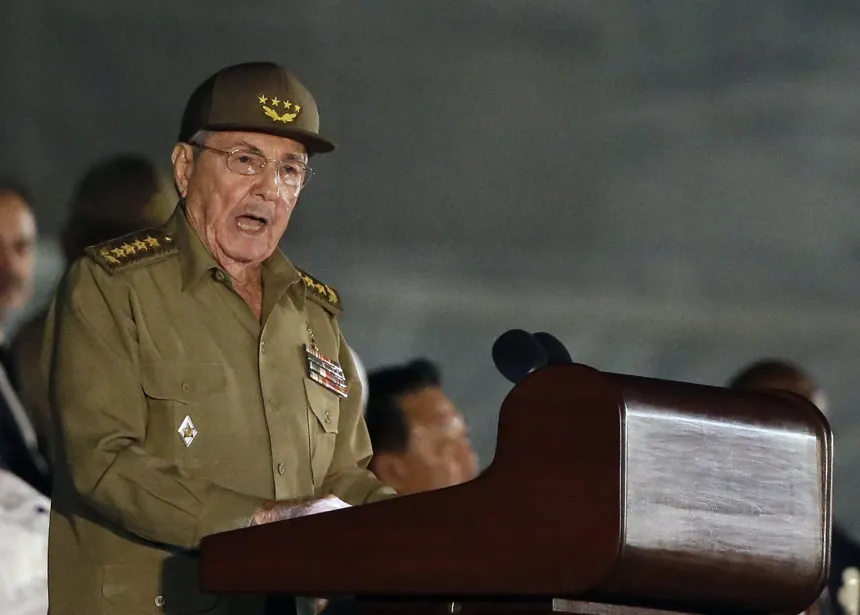
The administration of President Donald Trump is preparing to pursue a criminal indictment against former Cuban leader Raúl Castro, according to multiple international reports, in a move that could significantly deepen diplomatic tensions between the United States and Cuba.
Officials familiar with the matter told media organizations that the potential indictment is linked to the 1996 shootdown of aircraft operated by the exile group Brothers to the Rescue, an incident that remains one of the most contentious episodes in modern US-Cuba relations. Castro was serving as Cuba’s defense minister at the time of the incident.
The case would reportedly require approval from a federal grand jury and forms part of a broader strategy by Washington to increase political and economic pressure on Havana amid worsening regional tensions.

Diplomatic Pressure Expands
The reported legal move comes as the Trump administration adopts a more confrontational approach toward the Cuban government, including renewed sanctions pressure and warnings tied to Cuba’s economic and strategic ties with US adversaries.
According to Associated Press and Reuters reporting, US officials have recently intensified investigations into senior Cuban figures while also increasing scrutiny of Havana’s regional alliances.
International analysts say the prospect of indicting a former Cuban president would mark a major escalation in bilateral relations that have fluctuated between limited engagement and open hostility for decades.
The administration has also pushed for broader political and economic reforms in Cuba, while maintaining pressure through restrictions affecting fuel imports and trade flows. Reports indicate the measures have contributed to worsening energy shortages and recurring blackouts across the island.
Historical Incident Returns to Global Focus
The potential charges are reportedly tied to the February 1996 destruction of two civilian aircraft operated by Brothers to the Rescue, a Miami-based group that conducted missions over the Florida Straits.


The attack killed four people and triggered international condemnation at the time. The incident later contributed to the passage of the Helms-Burton Act, which strengthened the longstanding US embargo against Cuba.
While US authorities previously pursued limited prosecutions connected to the case, only one individual has been convicted in relation to the operation, according to international reporting.
Regional Stability Concerns Grow
The reported indictment effort emerges during a period of heightened geopolitical uncertainty across the Caribbean and Latin America, with Washington increasingly focused on regional security and strategic influence.
Recent diplomatic contacts between US intelligence officials and Cuban representatives suggest that communication channels remain open despite mounting tensions. CIA Director John Ratcliffe reportedly met Cuban officials during a recent visit to Havana, according to several reports.
Observers say the move could complicate broader regional diplomacy at a time when several Latin American governments are already expressing concern over economic instability, migration pressures, and energy security.
Castro, now 94, formally stepped away from Cuba’s top leadership roles in recent years but is still widely viewed by analysts as an influential figure within the country’s political establishment.