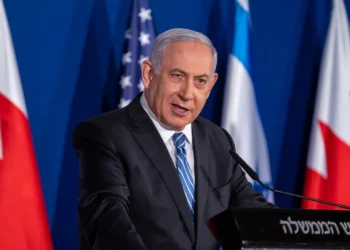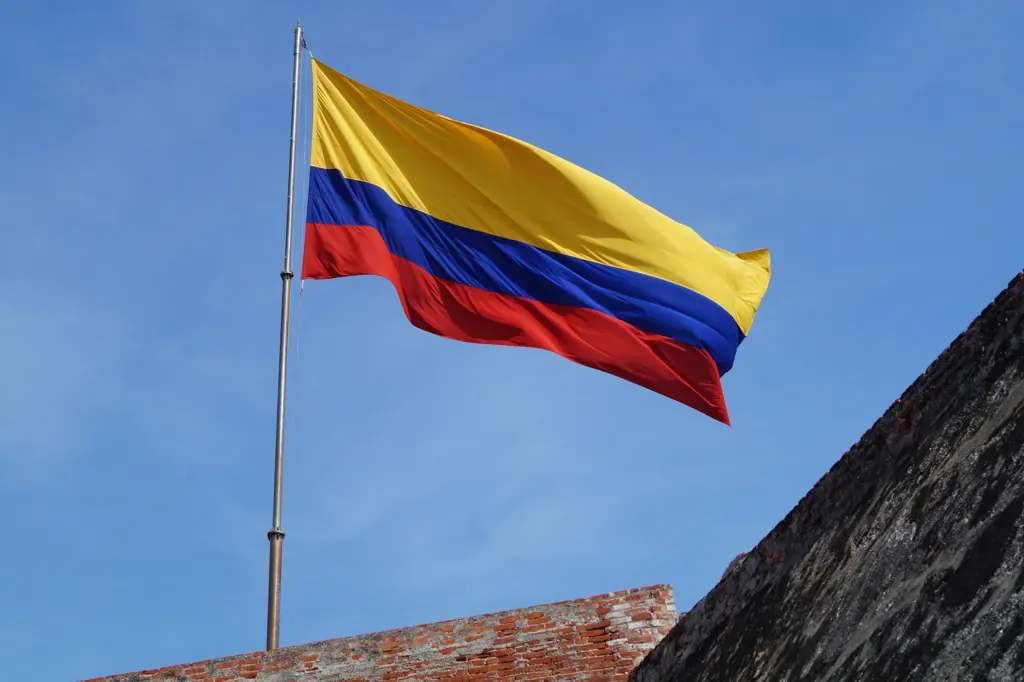
Colombian Foreign Minister Omar Bula Escobar presided over the inauguration alongside Israeli Foreign Minister Gideon Sa’ar, according to Colombia’s Foreign Ministry. The ministry described the opening as a step toward consolidating the restoration of bilateral relations, formally resumed in August 2026.
Beyond the ceremony, the Colombian government has outlined a practical role for the mission: representing the country’s interests, assisting Colombian citizens abroad and advancing cooperation in security, trade, investment, agriculture, science and technology.
Those objectives establish the government’s intended direction. They do not, by themselves, demonstrate that new commercial opportunities, investment or security benefits have already materialized.

Embassy to support citizens and advance bilateral cooperation
In his October 14 address, Bula said the embassy would work to strengthen institutional dialogue and turn existing opportunities for cooperation into concrete results. The ministry identified Ambassador Tania Gilinski as the head of the mission.
The government’s stated priorities include security and defence, efforts against transnational crime, investment, technological transfer, artificial intelligence and digital innovation. It also wants to connect universities, research institutions, entrepreneurs and businesses in the two countries.
Colombia’s Foreign Ministry has separately identified potential export opportunities in products and industries including coffee, flowers, agricultural and food products, chemicals, fashion and life sciences. It has also highlighted possible investment in software, financial technology and cybersecurity.
These are areas the government intends to pursue, rather than confirmed new contracts or investment commitments. The ministry’s public announcement does not provide transaction values, implementation schedules or quantified targets for the proposed cooperation.
Diplomatic normalization includes practical measures
The embassy opening follows the restoration of diplomatic relations on August 11, 2026, after former President Gustavo Petro severed ties in 2024 amid Israel’s war in Gaza.
■ Related News



Colombia’s Foreign Ministry has also said that reciprocal visa exemptions for tourist travel were restored during the normalization process. That measure represents a practical change for eligible travellers, separate from the political significance of establishing the embassy in Jerusalem.
The renewed relationship could provide the two governments with channels for discussing trade, security and technology. However, the scale and consequences of those efforts will depend on the agreements they conclude, the arrangements they implement and the results they can document.
The legal and operational status of the countries’ restored free-trade arrangement requires particular care. Reuters reported that the agreement terminated under Petro was reinstated on October 13. The Colombian Foreign Ministry’s embassy-opening announcement, however, does not set out the agreement’s effective date, implementation provisions or expected commercial effects. Those details should be established through official trade documents before drawing conclusions about its practical impact.
Jerusalem’s status remains contested
The embassy’s location also carries diplomatic significance beyond Colombia’s bilateral relationship with Israel.
Israel regards Jerusalem as its capital. Palestinians claim East Jerusalem as the capital of a future Palestinian state, while the United Nations has maintained that East Jerusalem forms part of the occupied Palestinian territory and that its final status must be addressed in accordance with international law and relevant UN resolutions.
In its resolution on the status of the occupied Palestinian territory, including East Jerusalem, the UN General Assembly reaffirmed that the territory’s status remains one of military occupation and underscored the Palestinian people’s right to self-determination. The UN has also emphasized the need for negotiations to resolve Jerusalem’s status.
Opening an embassy in the city establishes Colombia’s diplomatic presence there; it does not settle the international dispute over Jerusalem’s status or resolve the competing Israeli and Palestinian claims.
The decision follows a substantial shift in Colombia’s policy toward Israel. Under Petro, the government severed diplomatic ties over Israel’s conduct in Gaza. Israel rejected accusations of genocide made during the conflict. The new administration has instead emphasized renewed cooperation with Israel as part of its foreign-policy priorities.
The embassy opening alone does not establish that Colombia has abandoned every previous position concerning Palestinian rights or statehood. Any such change would require confirmation from the government’s policies, formal statements or diplomatic actions.
Implementation will determine the impact of renewed ties
The next measure of the relationship will be whether the two governments translate their stated priorities into documented agreements and operational changes.
Relevant indicators include the publication and implementation of trade arrangements, signed security or technology agreements, measurable changes in bilateral commerce and the embassy’s delivery of consular services.
For now, the Colombian government has identified the areas in which it wants cooperation to expand, while the opening of the embassy gives the relationship a permanent diplomatic base in Jerusalem.
Whether the renewed partnership produces tangible benefits for Colombian citizens and businesses will depend on developments beyond the inauguration itself.
Reporting Credit: Colombia’s Ministry of Foreign Affairs; United Nations General Assembly.