BRASILIA, Brazil – President Luiz Inácio Lula da Silva has warned against foreign interference in Brazil’s October election, saying the country’s voters must determine the outcome without outside pressure.
Lula made the warning Tuesday in an address to the United Nations General Assembly in New York, where he said Brazil would not allow domestic or foreign actors to undermine what he described as the popular will.
The remarks came as relations between Brazil and the United States have deteriorated and as Lula seeks another presidential term in an election scheduled for Oct. 4.

“Brazilian democracy belongs to Brazilians,” Lula said in his U.N. speech, emphasizing Brazil’s sovereignty and rejecting outside intervention in the electoral process.
Tensions with Washington
Lula’s warning follows months of friction between Brasília and Washington.
The Brazilian president has previously urged U.S. President Donald Trump not to interfere in Brazil’s election. In a June statement, Lula said Trump could maintain his relationship with the Bolsonaro family but should not intervene in Brazil’s vote.
The relationship has since remained strained over tariffs, criminal organizations and U.S. support for members of the Bolsonaro family.
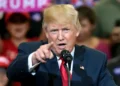
Trump has publicly supported Sen. Flávio Bolsonaro, the son of former President Jair Bolsonaro, who is challenging Lula in the election.
■ Related News



Washington has also designated two major Brazilian criminal organizations, the First Command of the Capital and the Red Command, as foreign terrorist organizations. Lula has rejected the U.S. characterization and said Brazil should handle its own fight against organized crime.
The Brazilian government has also been dealing with U.S. tariffs imposed amid the wider dispute between the two countries.
Brazilian intelligence raises concerns
Lula’s warnings have been accompanied by concerns raised within Brazil’s intelligence apparatus.
A report prepared by Brazil’s Intelligence Agency, Abin, and sent in late August to the presidential palace, the Justice Ministry and the Superior Electoral Court assessed the possibility of U.S. influence or interference in the October election.
According to Brazil’s public broadcaster Agência Brasil, the report classified the possibility of external interference at a heightened level of concern and described an escalation in U.S. pressure toward Brazil.
The assessment is a Brazilian intelligence judgment, not evidence that the United States has been established to have illegally interfered in the election.
That distinction has become particularly important as the campaign enters its final weeks.
Lula also raises concerns about artificial intelligence
In an interview with CNN Brasil on Monday, Lula said he had asked Trump not to interfere in the Brazilian election.
He also said he was concerned about indications of possible artificial-intelligence interference in election campaigns, while stressing that this remained a suspicion rather than an established fact.
Brazil has been paying close attention to the use of artificial intelligence and disinformation in elections, given the increasing ability of generative systems to produce convincing text, images, audio and video.
Lula’s comments therefore broadened the issue beyond direct government intervention to include the possibility of technologically enabled influence campaigns.
No evidence presented publicly in the reporting reviewed establishes a specific foreign AI operation responsible for influencing Brazil’s 2026 vote.
Washington disputes interference claims
The U.S. government has rejected previous allegations that official visits or diplomatic actions were intended to undermine Brazil’s elections.
In July, when Brazil denied visas to two U.S. officials amid accusations that their planned visit was connected to election interference, a State Department spokesperson described the claims as baseless and said the proposed visit was consistent with the agency’s statutory responsibilities.
That dispute illustrates the broader disagreement between the governments.
Brazilian officials have framed certain U.S. actions as pressure that could affect the political environment surrounding the election. Washington has denied that its diplomatic activities were intended to interfere with the vote.
The two governments therefore do not share the same interpretation of the actions at issue.
Election enters final weeks
Brazil’s first-round presidential election is scheduled for Oct. 4.
If no candidate receives more than half of the valid votes, the two leading candidates will proceed to a second round scheduled for Oct. 25.
Lula is seeking a fourth, non-consecutive presidential term. Flávio Bolsonaro is among his principal opponents and has received public support from Trump.
The election is taking place against a broader deterioration in Brazil-U.S. relations, making foreign-policy issues part of the domestic political debate.
Lula’s message at the United Nations was that the political decision ultimately belongs to Brazilian voters.
He also said Brazil’s electoral system is modern and robust and warned that disinformation could distort public debate during the campaign.
For now, the publicly documented dispute concerns competing claims about the appropriate role of foreign governments and the interpretation of U.S. actions toward Brazil. The evidence reviewed does not establish that a foreign government has successfully altered the outcome of Brazil’s election.
Reporting Credit: Brazilian Presidency — President Lula’s September 22 U.N. address and statements on Brazilian sovereignty; Agência Brasileira de Inteligência (Abin) — assessment concerning potential external influence on Brazil’s 2026 election; Tribunal Superior Eleitoral (TSE) — Brazilian electoral process and election calendar; U.S. Department of State — position concerning alleged interference and diplomatic activities.