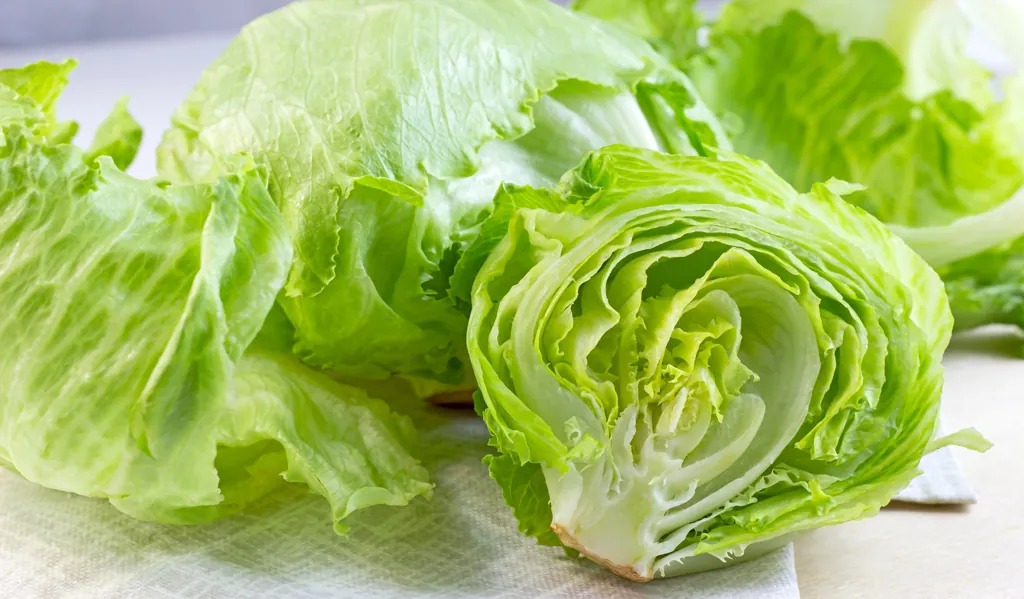
Federal health officials are investigating a multistate outbreak of Cyclospora infections linked to recalled iceberg lettuce distributed by Taylor Farms de Mexico after thousands of people became ill across the United States.
According to the U.S. Centers for Disease Control and Prevention (CDC), 6,358 confirmed illnesses, 278 hospitalizations, and two deaths have been reported across 15 states. The investigation is being conducted jointly by the CDC, the U.S. Food and Drug Administration (FDA), and state and local public health agencies.
Investigators traced the outbreak to iceberg lettuce supplied by Taylor Farms de Mexico, which announced a voluntary recall on July 17, 2026, covering all iceberg lettuce sourced from central Mexico.

The recalled products were distributed to restaurants, retailers and consumers in at least 27 states, including Marketside-brand packaged lettuce sold at select Walmart stores and iceberg lettuce supplied to Taco Bell restaurants.
Consumers urged to discard recalled lettuce
The CDC advises consumers not to eat recalled iceberg lettuce from Taylor Farms de Mexico.
Anyone who still has the affected products should throw them away or return them to the place of purchase. Although the recalled lettuce has passed its best-by dates and should no longer be available for sale, health officials recommend checking refrigerators and freezers for any remaining products.
Consumers should also thoroughly wash cutting boards, knives, storage containers and any surfaces that came into contact with the recalled lettuce using hot, soapy water or a dishwasher to reduce the risk of contamination.
Investigation remains active
Federal officials said the investigation into the recalled lettuce remains ongoing.
■ Related News




The CDC also noted that it is investigating several other unrelated Cyclospora outbreaks involving different sources of exposure elsewhere in the United States.
Investigators continue interviewing patients, reviewing food distribution records and tracing supply chains to determine the full extent of illnesses linked to the recalled products.
Cyclospora illness can last for weeks
Cyclospora is a microscopic parasite that causes cyclosporiasis, an intestinal illness that typically develops about one week after consuming contaminated food or water, although symptoms may begin as early as two days or more than two weeks after exposure.
Common symptoms include:
- Watery diarrhea
- Fatigue
- Loss of appetite
- Weight loss
- Stomach cramps
- Bloating
- Excessive gas
- Nausea
Without treatment, symptoms can continue for several weeks or even longer.
The CDC advises anyone experiencing symptoms to stay hydrated and seek medical care. Because routine stool testing does not always include Cyclospora, healthcare providers may need to order specific laboratory tests.
Public health officials seek consumer cooperation
State and local health departments may contact people diagnosed with cyclosporiasis to ask about foods consumed during the two weeks before symptoms developed.
The CDC said these interviews are an important part of identifying contaminated foods, tracing distribution networks and preventing additional illnesses during foodborne outbreak investigations.
Healthcare providers are encouraged to test patients with compatible symptoms and report confirmed cases to public health authorities.
Reducing the risk of infection
Although this outbreak has been linked to recalled iceberg lettuce, the CDC noted that Cyclospora can contaminate a variety of fresh fruits and vegetables.
To reduce the risk of infection, the agency recommends:
- Wash hands before preparing food.
- Rinse fresh produce thoroughly under running water.
- Follow all food recall notices.
- Cook foods when appropriate, as heating produce to at least 158°F (70°C) can kill the parasite.
Health officials emphasized that washing produce alone may not completely eliminate Cyclospora.
Investigation continues
The CDC, FDA and state public health agencies continue monitoring for additional illnesses while tracing products connected to the outbreak.
Officials urged consumers to follow recall guidance, dispose of recalled lettuce if found, and seek medical attention if symptoms consistent with cyclosporiasis develop.
This report is based on reporting by the U.S. Centers for Disease Control and Prevention (CDC).