CAIRO, Egypt – Iran’s political and military leaders remain united in sustaining pressure on the United States and its regional allies. However, officials are increasingly divided over how the conflict should end.
While Tehran has projected unity throughout the war, rival factions disagree over Iran’s long-term strategy. One camp believes military pressure should improve Iran’s position in future negotiations with Washington. Another rejects renewed diplomacy and argues the conflict should conclude only with what it considers a decisive victory.
Rival Factions Offer Different Paths
The debate centers on two influential political groups.

The ultra-hardline Paydari movement, whose name means “stability” in Persian, opposes negotiations with the United States. It favors maintaining strict ideological control and continuing resistance against Washington.
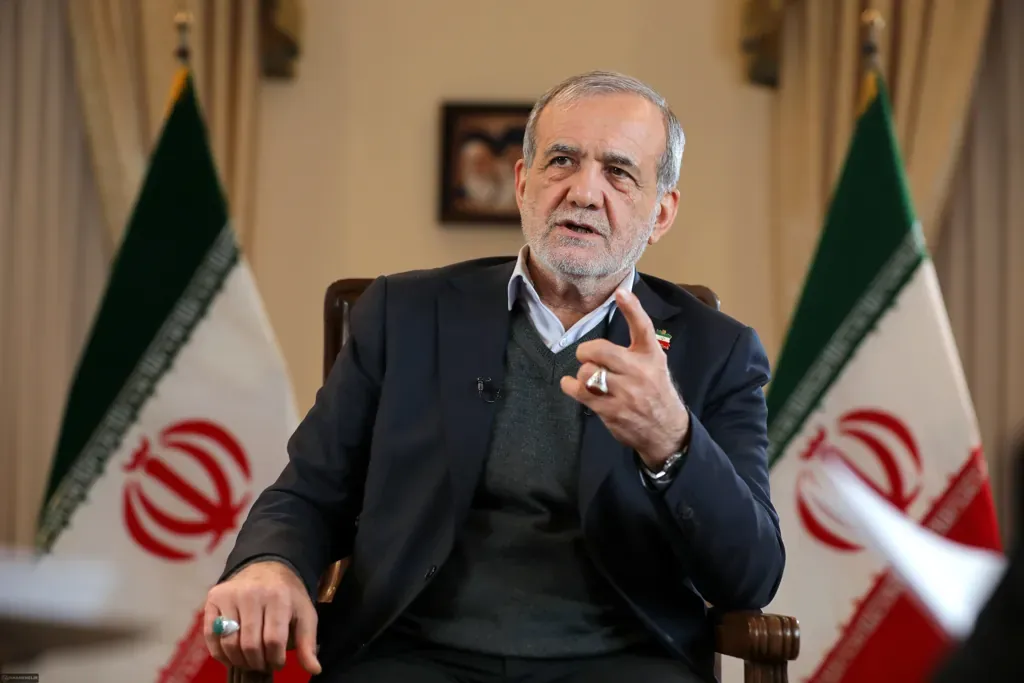
Supporters of President Masoud Pezeshkian and Parliament Speaker Mohammad Bagher Qalibaf take a different approach. They argue Iran should use military pressure to gain leverage while eventually pursuing negotiations that could ease economic hardship and address growing public concerns.
Mahdi Mohammadi, an adviser to Qalibaf, said on Telegram that diplomacy should complement military action rather than replace it. He argued negotiations can secure political concessions once pressure has shifted the balance.
Political competition has intensified since the death of former Supreme Leader Ayatollah Ali Khamenei. His successor, Ayatollah Mojtaba Khamenei, has remained largely out of public view after reportedly suffering injuries early in the conflict. Both factions claim his views support their preferred strategy.
Military Pressure Remains the Common Ground
Despite disagreements over diplomacy, Iran’s leadership broadly agrees on maintaining military pressure.




The Supreme National Security Council largely backed a ceasefire proposal with the United States in April. According to the source material, 12 of its 13 members supported the agreement, including senior military and Islamic Revolutionary Guard Corps officials. Reports indicated that Saeed Jalili, a leading Paydari figure, was the lone opponent.
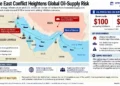
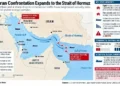
The ceasefire later collapsed after both sides resumed military operations. Iran also sought greater control over shipping through the Strait of Hormuz, a key global energy route.
Iranian officials said the United States failed to fulfill financial commitments tied to the agreement, including the release of frozen Iranian assets, before restoring its blockade.
Ali Vaez, Iran project director at the International Crisis Group, said most senior officials now agree that continued military pressure is necessary because they believe it influences President Donald Trump’s decisions.
Political Disputes Become Public
The conflict has exposed divisions that rarely appear so openly inside Iran’s leadership.
Supporters of the Paydari movement have used state television and public rallies to oppose negotiations with Washington. They argue compromise would weaken Iran and instead promote the goal of eventual military victory.
State broadcaster IRIB interrupted a June 30 interview with Qalibaf while he discussed negotiations with the United States. It also cut short remarks by Pezeshkian after he said the late supreme leader had approved renewed talks before his death.
Pezeshkian later criticized the broadcaster, saying its coverage created the impression that Iran’s civilian leadership and military were divided during wartime. His office accused state television of censoring senior government officials.
The hardline camp has also demonstrated its domestic influence. Authorities temporarily closed several popular cafés in central Tehran after videos showed women without mandatory head coverings and crowds gathering during the ceasefire.
Reformist cleric Mohamad Ali Abtahi said the closures reflected the influence of religious hardliners.
Vali Nasr, professor of International Affairs and Middle East Studies at Johns Hopkins University, said supporters of Saeed Jalili remain a minority but continue to hold significant influence through financial networks, government appointments and close ties to the Revolutionary Guard.
Economic Pressures Shape the Debate
Supporters of negotiations argue Iran must address worsening economic conditions while preserving national unity.
The country continues to face high inflation, a weakening currency and rising unemployment. Pragmatists believe a future agreement with Washington could ease sanctions and unlock billions of dollars in frozen assets.
Public frustration has also become more visible.
In July, more than 250 former lawmakers, clerics, academics and other public figures signed an anti-war petition urging leaders to pursue peace and improve living conditions.
A reformist party that supports Pezeshkian warned that the prolonged conflict was weakening social cohesion. Tasnim, a news agency close to the Revolutionary Guard, criticized the party and accused it of blaming Iran instead of the United States.
Youssef Pezeshkian, the president’s son and adviser, also argued that Iran must balance military objectives with the realities of an economy weakened by decades of sanctions and confrontation with Western countries.
Leadership Transition Adds Uncertainty
Analysts say the debate extends beyond wartime policy and reflects a broader struggle over Iran’s future.
Abtahi said Mojtaba Khamenei’s priorities remain unclear, leaving rival factions uncertain whether the new supreme leader will pursue a more pragmatic course or strengthen ideological hardliners.
He added that the new leader has the authority to restrain competing factions. However, he warned that political tensions could deepen if those divisions remain unresolved.
This report is based on reporting by The Associated Press.